


 | Today's Date:



Ninth Circuit En Banc U-Turn Keeps Election-Worker Shield Live on Election Day
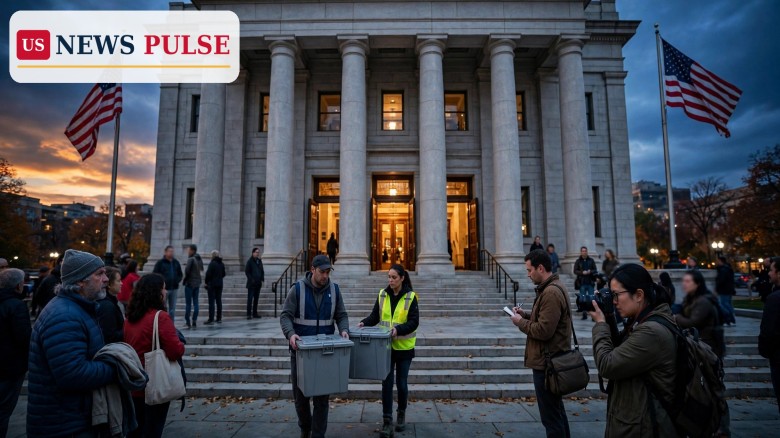
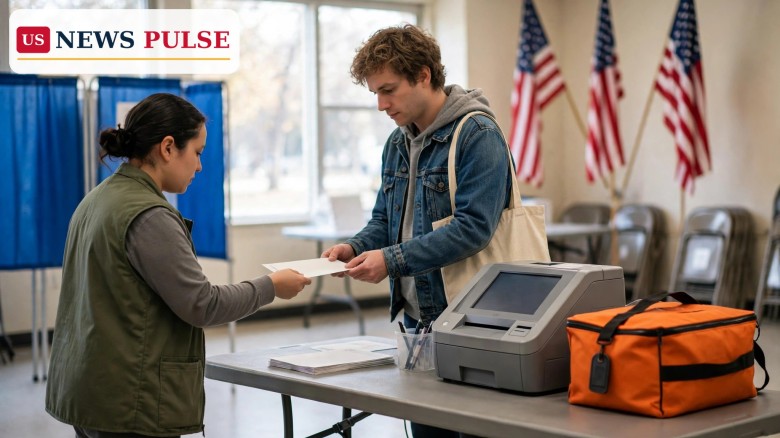
In a remarkable late-night reversal, the Ninth Circuit en banc election ruling has left the shield protecting election workers in place for Election Day itself. Within hours of a three-judge panel voting to suspend a federal judge's order, a majority of the court's active judges voted to rehear the case en banc, wiping out the panel's stay as voters headed to the polls on Tuesday, 3 November 2026.
The sequence means Judge Trina Thompson's temporary restraining order remains in force while ballots are counted. It bars the Justice Department and the Department of Homeland Security from demanding that state and local officials set aside ballots from suspected noncitizens, or threatening criminal penalties if they refuse.
Key Points
- A Ninth Circuit panel voted 2-1 on Monday evening, at about 7:45 p.m. ET, to stay Judge Trina Thompson's temporary restraining order.
- Less than three hours later, at about 10:23 p.m. ET, a majority of the court's active judges voted to rehear the case en banc, vacating the stay.
- Thompson's order shielding election workers therefore stands for Election Day, Tuesday, 3 November 2026.
- An 11-judge en banc panel will now decide whether the administration can threaten criminal prosecutions against election workers as ballots are counted.
- The case, SEIU v. DOJ, No. 3:26-cv-12800, was brought by the NAACP, the League of United Latin American Citizens and labour unions.
What Happened
The panel granted the government's request for a stay of Thompson's order. Judges Carlos Bea and Consuelo Callahan formed the majority, reasoning that the district judge had encroached on core executive functions and that the harm to the government from being barred from requesting ballot segregation could not be undone. A stay was warranted, they held, even on the eve of the election.
Chief Judge Mary Murguia dissented, warning that threats of prosecution could coerce election officials into abandoning lawful procedures. Her dissent framed the dispute not as an abstract question of executive power, but as a practical threat to the officials who run elections under state law, at the very moment voting was under way.
Then, before the night was out, the court reversed course. A majority of its active judges voted to take the case en banc, under which a larger panel rehears a case rather than leaving it to the original three judges. The vote automatically vacated the panel's stay, so Thompson's order came back into force. Courts rarely erase their own orders within a single evening, and the speed of this reversal signals deep disagreement about both the merits and the timing of intervention.
Background/Context
The dispute began with Justice Department letters to state and local election officials, demanding that they set aside ballots cast by suspected noncitizens and warning that refusal could carry criminal penalties. The plaintiffs challenged the campaign as an unlawful pressure effort, arguing that it intruded on state-run election administration and intimidated the local officials who verify and count votes.
Judge Thompson, of the Northern District of California, agreed at the temporary restraining order stage. On Friday, 30 October 2026, she barred the two departments from demanding ballot segregation or threatening prosecution in that connection. The administration appealed, seeking a stay that would let its demands operate while the appeal proceeded. That is the request the panel granted on Monday evening, and that the full court then undid.
Ninth Circuit En Banc Review: What the Full Court Must Decide
The 11-judge en banc panel will now decide whether the executive branch may use the threat of criminal prosecution to press state and local officials to segregate ballots on the basis of suspected noncitizen voting. The government is expected to argue that its letters were lawful requests in aid of federal enforcement. The plaintiffs are expected to argue that they went far beyond ordinary communication, amounting to coercion of officials required by state law to follow established counting procedures.
The panel will also weigh the emergency factors that divided the original panel: likelihood of success, risk of irreparable harm to each side, and the public interest. The majority emphasised harm to the government from being restrained; the dissent emphasised harm to election administration from being threatened. The en banc decision will set the governing law within the circuit unless the Supreme Court intervenes, and it will determine whether the administration can revive its approach in future elections.
Reactions/Quotes
The filings reveal the competing positions. The panel majority's reasoning reflected the administration's argument that restraining its communications intruded on core executive functions. The dissent reflected the plaintiffs' warning that prosecution threats, issued to the officials who actually run elections, risk distorting how those elections are conducted. For officials facing competing federal demands, state instructions and court orders, the restoration of Thompson's order removes, for Election Day at least, one source of legal jeopardy.
Why It Matters
If federal officials could threaten local election workers with prosecution for following state counting rules, the balance between federal enforcement and state election administration would shift sharply. Local officials, often part-time or modestly paid, would face personal legal risk for doing their jobs as state law defines them. Elections also depend on the perception that counting follows the law rather than political pressure, and the en banc court must navigate between those competing accounts.
What Happens Next
In the short term, Thompson's order remains in force while the en banc proceedings unfold, and Tuesday's voting and count will proceed under state law and the existing orders unless another court intervenes. In the medium term, the en banc panel will schedule briefing and argument on the merits. Either side could then seek Supreme Court review. For voters, the practical message is simpler: the legal fight continues, but it will not change the rules for Tuesday's election.
Frequently Asked Questions
What did the Ninth Circuit do on Monday night?
First a three-judge panel voted 2-1 to stay Judge Thompson's order; then, less than three hours later, a majority of active judges voted to rehear the case en banc, vacating the stay.
Does Thompson's order still apply on Election Day?
Yes. Because the en banc vote vacated the stay, the order shielding election workers stands for Election Day, Tuesday, 3 November 2026.
What is an en banc hearing?
A rehearing before a larger panel, here 11 judges, rather than the original three. It is used for cases of exceptional importance or where judges disagree about the governing law.
Who brought the case?
The NAACP, the League of United Latin American Citizens and labour unions, in SEIU v. DOJ, No. 3:26-cv-12800.
What about the California cases?
Separate Monday rulings stand alongside this decision: Judge Boasberg's injunction barring federal demands on California, and the Supreme Court's unsigned rejection of a bid to force California to set aside about 20,000 ballots.
Read more: Federal judge blocks DOJ election pressure campaign days before midterms, Boasberg blocks Trump demand to segregate California ballots before midterms, Supreme Court rejects Trump bid to set aside California ballots before midterms.
Leave a Comment