


 | Today's Date:


CAIR-Florida Suspends Operations as Florida Terror Designation Takes Effect
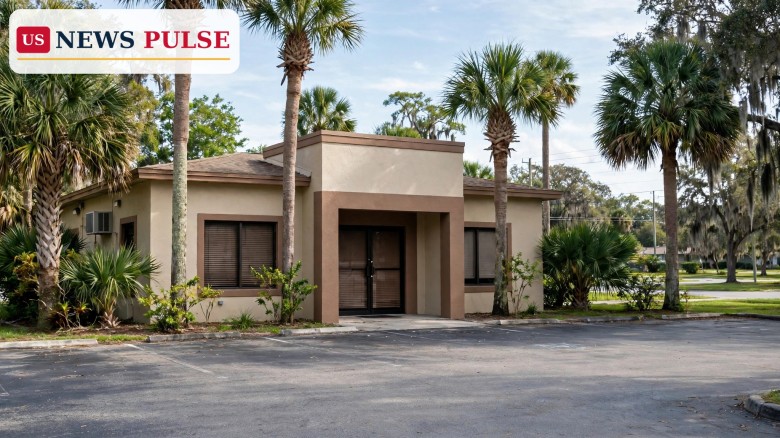
CAIR-Florida has suspended its operations in Florida as the state's domestic terrorist designation takes effect on Thursday, November 5, 2026, announcing the step with a bright orange sign in the window of its main office in Temple Terrace, near Tampa. The Council on American-Islamic Relations' Florida chapter said it was acting because of what it called the baseless and unconstitutional enforcement of Florida's new domestic terrorist organisation laws, after Governor Ron DeSantis and the Florida Cabinet designated more than 90 groups, including CAIR, on September 29, 2026.
Key Points
- CAIR-Florida has suspended operations in Florida, with a neon orange sign at its main office in Temple Terrace, near Tampa, an office it has held for more than 20 years.
- The suspension comes as Florida's domestic terrorist designation takes effect on November 5, 2026, under HB 1471, in effect since July 1, 2026.
- A November 4 notice on CAIR's website said the group is not accepting donations from anybody living or located in Florida, and Florida residents should not sign up for mailing lists or engage with CAIR or CAIR-Florida at this time.
- CAIR and CAIR-Florida are challenging the designation in federal court on First Amendment and due process grounds, with an emergency request heard by Chief US District Judge Allen Winsor.
- The designation bars the groups from state and local government financial support and revokes state-funded scholarships, while CAIR says supporters and providers are already pulling away over fears of criminal penalties.
What Happened
The suspension was made public with a sign that leaves little doubt about how CAIR-Florida views the state's action. The neon orange sign reads: "We have suspended our operations in Florida because of Governor DeSantis and other state officials' baseless and unconstitutional enforcement of the state's unprecedented new 'domestic terrorist organization' laws against us." The Temple Terrace office has been the chapter's main office for more than two decades, so the sign, rather than a press release alone, has become the public face of the closure.
Alongside the sign, CAIR posted a website notice on November 4, 2026, setting out the practical consequences for people in Florida. It said the group is not accepting donations from anybody living or located in Florida, and Florida residents should not sign up for mailing lists or otherwise engage with CAIR or CAIR-Florida at this time. The notice appears to block Florida users, according to reporting on the announcement, showing the suspension is a halt to ordinary work in the state, including fundraising and outreach, not a symbolic statement.
Background and Context
HB 1471 created Florida's own designation process, separate from the federal terrorist designation system, and the September 29 vote was one of its first large-scale uses, covering more than 90 groups at once. For designated groups, the consequences go beyond a label: the designation bars them from state and local government financial support and revokes state-funded scholarships, cutting off public funding that community organisations often rely on for programmes and staff.
CAIR-Florida warned before the suspension that the law's penalties are extremely broad and severe. ACLU attorney Ashley Gorski said that without a court block the groups would have to shut their doors in the state, and CAIR says supporters and service providers are already pulling away over fears of criminal penalties, even before the designation formally took effect. Its legal challenge argues that chilling effect shows the law's reach in practice, not just on paper.
The court case has run alongside the designation timetable. CAIR and CAIR-Florida argue the designation violates the First Amendment and due process, and the US District Court for the Northern District of Florida heard arguments on October 28, 2026, on the emergency relief request, with the decision resting with Chief US District Judge Allen Winsor. The chapter's lawyers had hoped the judge would block the label before November 5.
CAIR-Florida Suspension: What the Closure Means in Practice
In the chapter's own terms, its Florida operations have stopped for now. Donations from Florida are not being accepted, Florida residents are being told not to sign up for mailing lists or engage with the organisation, and the Temple Terrace office is marked with a closure sign rather than open for its usual business. For people who used CAIR-Florida's services, from civil rights help to community programmes, the immediate question is where that support goes while the chapter is suspended.
Reactions and Statements
CAIR-Florida's sign is the clearest reaction so far. By calling enforcement "baseless and unconstitutional" and the laws "unprecedented", the chapter frames the suspension as a forced step, not a voluntary withdrawal, and puts responsibility on the governor and other state officials who enforced the designation. That language mirrors its federal lawsuit, which challenges the designation on First Amendment and due process grounds.
Why It Matters
This is the first major public test of whether a state can use its own terrorist designation law to effectively shut down a civil rights organisation's operations in that state. If the designation stands, other groups among the more than 90 named on September 29 could face the same loss of public funding, donor and provider pullback, and pressure to suspend work. If courts block it, the case could set limits on how far a state designation process can go.
It also matters for the people CAIR-Florida served. A chapter that operated from the same Tampa-area office for more than 20 years does not suspend operations lightly, and people who relied on it for help and advocacy now face a gap while the case continues. The notice telling Florida residents not to engage with the organisation shows how seriously the chapter takes the criminal-penalty risk it says the law creates.
What Happens Next
The next steps will be legal. The federal challenge continues, and the emergency request before Judge Winsor remains the most immediate route to a court block that could allow CAIR-Florida to resume operations. A separate foreign-terror label issued by executive order is also pending in a federal appeals court, so the Florida designation is not the only legal track in play.
Frequently Asked Questions
What has CAIR-Florida done?
CAIR-Florida has suspended its operations in Florida, announcing the move with a neon orange sign at its main office in Temple Terrace, near Tampa, and a notice on CAIR's website.
Why did CAIR-Florida suspend operations?
The chapter says it acted because of enforcement of Florida's new domestic terrorist organisation laws, after DeSantis and the Florida Cabinet designated CAIR and more than 90 other groups on September 29, 2026.
When does the designation take effect?
The domestic terrorist designation takes effect on November 5, 2026, under HB 1471, in effect since July 1, 2026.
Can people in Florida still donate to CAIR?
No, for now. The November 4 notice said CAIR is not accepting donations from anybody living or located in Florida.
Is the designation being challenged in court?
Yes. CAIR and CAIR-Florida are challenging it in federal court on First Amendment and due process grounds, and a separate foreign-terror label is pending in a federal appeals court.
Related coverage: DeSantis calls 2026 midterms close to an extinction-level event for Republicans and Citibank Tampa shooting: guard stopped gunman in shootout, sheriff says.
Leave a Comment