


 | Today's Date:




Energy Drinks Linked to Heart Attacks in Young Adults, New FDA Study Finds
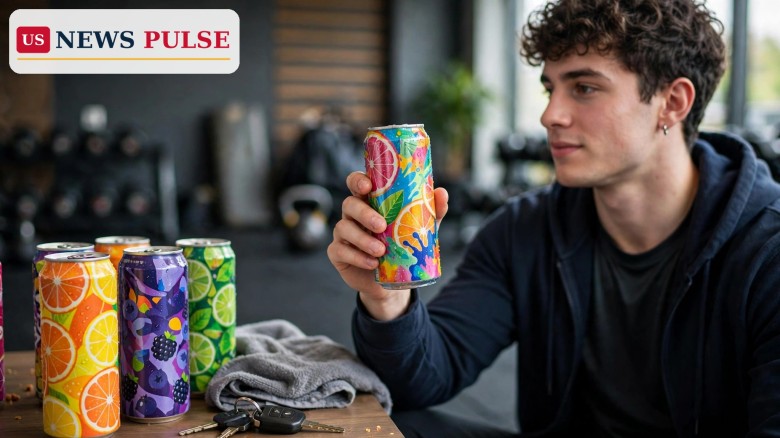
Energy drinks heart risk returned to the headlines on Monday, November 2, 2026, as new preliminary research found that caffeinated energy drinks and stimulant supplements appeared disproportionately more often in US Food and Drug Administration (FDA) reports of serious cardiovascular events — including cardiac arrest and heart attacks — especially among adults aged 18 to 34. The study, based on more than 28,000 adverse-event reports submitted to the FDA between 2017 and 2025, is due to be presented at the American Heart Association's Scientific Sessions 2026 in Chicago, from November 6 to 9. Its authors stress that the findings show an association in voluntary reports, not proof that the products caused the events.
The headline numbers are striking. Cardiac arrest was reported about 11 times more often in connection with caffeine- and stimulant-containing products than with products without those ingredients. Reports involving energy drinks and supplements were about 4.5 times more likely to include heart attacks and four times more likely to include ventricular arrhythmias or heart palpitations. About 45 percent of the reports linking caffeine- and stimulant-containing products to cardiovascular events involved adults aged 18 to 34 — a group not usually considered at high risk for heart problems.
Key Points
- New preliminary research, embargoed until Monday, November 2, 2026, links caffeinated energy drinks and stimulant supplements to disproportionate FDA reports of cardiac arrest, heart attacks and arrhythmias in young adults.
- Researchers analysed 28,345 FDA adverse-event reports from 2017 to 2025; 854 mentioned caffeine- or stimulant-containing energy drinks or supplements, compared with 27,491 reports about products without caffeine or stimulants.
- Cardiac arrest was reported about 11 times more often for caffeine- and stimulant-containing products; heart attacks about 4.5 times more often; ventricular arrhythmias or palpitations four times more often.
- About 45 percent of reports linking these products to cardiovascular events involved adults aged 18 to 34, and similar patterns were seen in both men and women.
- The study is a research abstract, not yet peer-reviewed, and shows association in voluntary reports — it does not prove that energy drinks or supplements caused any individual heart event.
What Happened
The research was released under embargo at 4 a.m. Central Time (5 a.m. Eastern) on Monday, November 2, 2026, ahead of its presentation at the American Heart Association's Scientific Sessions 2026, held November 6 to 9 in Chicago. The study was led by Sai Samayamanthula, a fourth-year medical student at the University of Virginia School of Medicine in Charlottesville, Virginia, working with colleagues who reviewed reports in a government safety database.
The team compared adverse-reaction reports related to products containing caffeine and other stimulants with reports related to FDA-regulated foods and dietary supplements such as soft drinks, meal replacement shakes, protein bars, smoothies and vitamins. The data covered people aged 13 or older between 2017 and 2025. Products were grouped by ingredient, not by brand, so the findings point to types of products rather than any single brand or product.
The caffeine- and stimulant-containing reports included products with caffeine, methylxanthines — theobromine, guarana, yerba mate, and green tea or coffee extracts — and sympathomimetics such as synephrine, yohimbine, ephedra, DMAA and higenamine. That broad ingredient grouping is important: the study is about a category of highly caffeinated and stimulant-containing products, not a verdict on one drink on a supermarket shelf.
Background and Context
Sales of caffeinated energy drinks have more than doubled over the past decade, reaching over 20 billion dollars in 2024 in the United States. They are marketed as everyday pick-me-ups and sold next to soda and bottled water, a placement that, the study author argues, leads most people to assume they carry no real risk.
The caffeine doses involved can be far higher than in coffee. Compared with brewed coffee, some energy drinks contain as much as three times more caffeine per fluid ounce, and some pre-workout supplements contain more than 12 times as much caffeine per fluid ounce. According to a 2026 American Heart Association scientific statement on caffeine and cardiovascular disease, consuming up to 400 milligrams of caffeine per day — the equivalent of up to five 8-ounce cups of regular black caffeinated coffee — is generally safe for most adults. Regular consumers of energy drinks or stimulant supplements, the study author warns, can quickly exceed that daily limit.
The regulatory backdrop matters too. Because the FDA regulates energy drinks and stimulant supplements as foods or dietary supplements rather than as medications, these products do not go through the same premarket safety testing required for medications. Health care professionals have also described cases of arrhythmias or sudden cardiac death in people who had consumed these products, many of them young adults with no known heart disease risks — case reports that motivated the new analysis but do not, on their own, establish causation.
Energy Drinks Heart Attacks: What the Numbers Actually Show
The detailed findings, as released by the American Heart Association, paint a consistent pattern across several cardiovascular outcomes. Beyond the headline cardiac-arrest and heart-attack figures, reports involving caffeinated energy drinks and stimulant supplements showed elevated heart rate nearly three times more often, chest pain 2.71 times more often, and fainting about two times more often than reports about products without caffeine or stimulants.
The age pattern is what makes the study newsworthy. Serious heart events are uncommon in adults aged 18 to 34, which is part of why the signal stood out: nearly half of the cardiovascular reports linked to caffeine- and stimulant-containing products fell in that age band. Similar patterns were observed in reports involving both men and women, suggesting the association is not confined to one sex.
Researchers offered several possible explanations for why young adults featured so prominently, while stressing that they do not fully understand it. Young adults may consume these products more often; they may consume them in riskier contexts, such as before intense exercise or mixed with alcohol or drugs; or some may have an undiagnosed heart condition that a high stimulant dose then unmasks. All three mechanisms could be at work at once.
Reactions and Quotes
"These products are marketed as everyday pick-me-ups and sold next to soda and bottled water, so most people assume they carry no real risk," said study author Sai Samayamanthula. "For many healthy people, if these products are consumed occasionally, the risk is probably small. However, individuals who consume energy drinks or other stimulant-containing supplements regularly can quickly exceed the recommended daily limit for caffeine, so it's important for people to know that there may be a risk of cardiovascular harm with these products."
Samayamanthula also called for better monitoring and for clinicians to ask the right questions: "Our findings support the case for more systematic safety monitoring of caffeine- and stimulant-containing products. In addition, health care professionals should remember to ask their younger patients who have palpitations, chest pain or fainting spells if they recently or regularly consume these products."
An independent voice urged caution about over-reading the results. "This study raises concerns that products with very high amounts of caffeine may be harmful to the cardiovascular system," said Dr Gregory M. Marcus, chair of the 2026 American Heart Association scientific statement on caffeine and cardiovascular disease, who was not involved in the study. "Although there are biological reasons why that connection could be possible, the study does not prove that caffeine products cause these events, because other factors may have influenced the results found in this analysis. More research is needed to understand whether these stimulant products are truly responsible for the reported heart-related events."
Why It Matters
The study matters for three groups. For young consumers, it is a reminder that "energy" on a label does not mean "harmless": a single can may be fine, but stacking several highly caffeinated products in a day — especially before a workout — can push total caffeine well beyond the 400-milligram level considered generally safe for most adults. For clinicians, it adds a simple question to the work-up of a young patient with palpitations, chest pain or fainting: what stimulant products have you taken, and how often? For regulators, it strengthens the case for systematic safety monitoring of a product category that currently faces no premarket safety testing as a medication would.
It also matters as an example of how to read health news. The study's design — an analysis of voluntary adverse-event reports — can detect a worrying pattern, but it cannot count how many people consumed the products without any problem, nor how many people had heart events and never reported them. That missing denominator is exactly why the authors and the American Heart Association describe the findings as preliminary and call for more research rather than claiming proof of harm.
What Happens Next
The research will be presented at the American Heart Association's Scientific Sessions 2026 in Chicago, November 6 to 9, where other researchers will be able to question the methods and the interpretation. The next step for the science is a full manuscript in a peer-reviewed journal; until then, the findings remain an abstract, and abstracts presented at the association's meetings are explicitly not peer-reviewed.
For consumers, the practical advice in the study is modest and specific: know your total daily caffeine, remember that energy drinks and pre-workout supplements can contain several times the caffeine per ounce of coffee, and seek prompt medical attention for chest pain, palpitations, fainting or a racing heartbeat — particularly after consuming stimulant products. Anyone with a known heart condition, or who experiences symptoms after these products, should discuss their use with a clinician rather than relying on a headline alone.
Frequently Asked Questions
Do energy drinks cause heart attacks?
This study does not prove that. It found that caffeinated energy drinks and stimulant supplements appeared disproportionately often in voluntary FDA reports of serious heart events, especially in adults aged 18 to 34. That is an association in reported events, not proof of causation.
How much caffeine is considered safe per day?
According to a 2026 American Heart Association scientific statement, up to 400 milligrams of caffeine per day — about five 8-ounce cups of regular black coffee — is generally safe for most adults. Some energy drinks and pre-workout supplements contain far more caffeine per ounce than coffee.
What did the study actually analyse?
Researchers analysed 28,345 adverse-event reports to an FDA safety database from 2017 to 2025, covering people aged 13 or older. Of those, 854 mentioned caffeine- or stimulant-containing energy drinks or supplements, and 27,491 concerned products without caffeine or stimulants.
Why were young adults aged 18 to 34 so prominent?
About 45 percent of reports linking caffeine- and stimulant-containing products to cardiovascular events involved that age group. Researchers suggest it may reflect how often young adults consume these products, when or how they consume them, or undiagnosed heart conditions.
Is this study peer-reviewed?
No, not yet. It is a research abstract due to be presented at the American Heart Association's Scientific Sessions 2026. Abstracts at those meetings are not peer-reviewed, and the findings are considered preliminary until published as a full manuscript in a peer-reviewed journal.
Related coverage on US News Pulse:
Leave a Comment