


 | Today's Date:




Netanyahu Doubles Down on 'Stolen' Election Claims as Shin Bet Chief Targets Arab Leaders
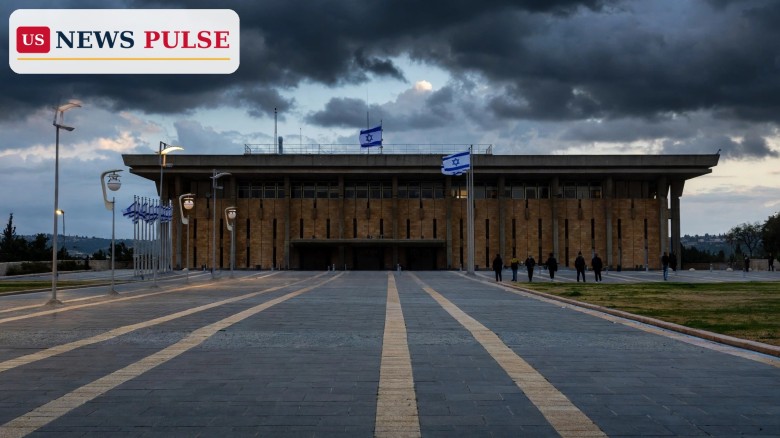
A week after Israelis voted in an election with no governing majority for any party, Prime Minister Benjamin Netanyahu is doubling down on his claim that the vote was stolen — and the country's domestic security chief is now pressing to investigate the Arab party leaders behind the result. The Netanyahu stolen election claims, made without any public evidence, have pushed Israel toward a constitutional crisis, opposition leaders warn.
The escalation came on Wednesday, November 4, 2026, when Netanyahu released a video statement repeating his charge that foreign money manipulated the October 27 result. The same day, the Shin Bet told the Central Elections Committee its intelligence "seemingly" pointed to large sums funnelled into Israel from abroad — but it offered no public evidence, and the committee has rejected claims of fraud as baseless.
Key Points
- Netanyahu said Wednesday: "There are serious suspicions that foreign countries have been involved, using enormous sums of money, in an attempt to manipulate the results of the elections in the State of Israel."
- Shin Bet chief David Zini, a Netanyahu loyalist appointed last year from outside the agency's ranks, pushed to investigate Arab party leaders and is reportedly seeking to question four senior Arab figures.
- Attorney General Gali Baharav-Miara refused to authorise an investigation: citizens or elected officials cannot be investigated "without evidence justification".
- The Shin Bet told the Central Elections Committee its intelligence "seemingly" points to "extensive phenomena" of foreign money flowing into Israel, but presented no public evidence, and the committee rejected the fraud claims as baseless.
- The Arab parties won a historic 19 seats — the Joint List 11 and Raam 8 — and their support is decisive to replacing Netanyahu.
What Happened
A week after the October 27 election, Netanyahu and Likud still challenge the officially certified results. The prime minister alleges, without presenting evidence, that the vote was "stolen" by Israel's Arab parties and foreign actors — a claim Israel's own institutions have already examined and dismissed.
The dispute sharpened on Wednesday, when Netanyahu's video statement moved the fraud allegation from party spokespeople to the prime minister himself. Hours earlier, his rival Gadi Eisenkot had warned on Tuesday that "Likud and Netanyahu are trying to commit a pogrom against democracy and the rule of law".
At the centre of the escalation is David Zini. The Shin Bet chief's push puts the domestic security service — whose remit is counterterrorism and counter-espionage — into the middle of a dispute over an election result. See results: Israel election results: Netanyahu leads with 54 seats but no majority.
Background: An Election Without a Winner
Israelis voted on October 27, 2026, in the first election since the October 7, 2023 attacks. The final results, released early on Friday, October 30, gave Netanyahu's bloc 53 of 120 seats — eight short of the 61 needed for a majority. Likud was the largest single party with 27 seats, but the opposition bloc reached 67, and the Arab parties won a historic 19 seats between them.
Those numbers explain everything that has followed: no government can be formed without the Arab parties' support, and their backing is decisive to any effort to replace Netanyahu.
The institutions running the election have not backed the claims. On October 29, Israel Police said they had found no evidence for Likud's claim that the Arab parties "stole" the election. The Central Elections Committee likewise dismissed the claims, and President Isaac Herzog accepted the certified results and opened government talks. Read the final tally: Israel election results: Netanyahu bloc at 53 as opposition reaches 67.
Netanyahu's 'Stolen Election' Claims
Netanyahu's Wednesday video statement was the clearest version yet of the allegation: "There are serious suspicions that foreign countries have been involved, using enormous sums of money, in an attempt to manipulate the results of the elections in the State of Israel," he said. He named no countries, sums, or mechanism.
The Shin Bet's briefing to the Central Elections Committee on Wednesday was couched in similarly vague terms: its intelligence "seemingly" points to "extensive phenomena" of large sums funnelled into Israel from foreign sources. But it presented no public evidence, named no donor or recipient, and offered no figures — and the committee has not changed its position.
Reactions: Warnings of a Constitutional Crisis
The strongest institutional pushback came from Attorney General Gali Baharav-Miara, who refused to authorise an investigation of the Arab party leaders. Citizens or elected officials cannot be investigated "without evidence justification", she said — a reminder that the security service does not decide for itself whom to investigate.
The opposition has gone further. Eisenkot's warning was echoed by other opposition leaders, who accuse Netanyahu and Zini of dragging Israel into a constitutional crisis: a prime minister who refuses to accept a certified result, backed by a security chief willing to investigate his opponents, tests Israel's democratic guardrails.
Why It Matters
Israel has no written constitution, and its democratic checks rest on institutions — the courts, the attorney general, the elections committee and the police — holding their ground when leaders press them. This week they have held: the police found no evidence, the committee dismissed the claims, and the attorney general refused the investigation.
But pressure is now coming from the top of the government and the head of the domestic security service at once, turning a familiar post-election dispute into something graver. If a security service can investigate elected officials on "seemingly" and "extensive phenomena", without evidence, the precedent would reach far beyond this election. Israel's political paralysis is also unfolding while the United States presses for a negotiated Iran settlement: Trump says Iran war will end quickly as Tehran reviews US peace proposal.
What Happens Next
Government formation talks continue under President Herzog, who treats the certified results as final. The arithmetic is unchanged: Netanyahu's bloc holds 53 seats, the opposition 67, and any government runs through the Arab parties' 19 seats or a deal with the opposition.
The questions now are whether Zini will press his case without the attorney general's authorisation, whether Netanyahu will produce any evidence for the foreign-money claim, and whether the four senior Arab figures are questioned. For now, the certified result stands, and the election Netanyahu says was stolen remains the one his bloc lost by 14 seats.
Frequently Asked Questions
What is Netanyahu claiming about the Israeli election?
That the October 27, 2026 election was "stolen" by Arab parties and foreign actors using "enormous sums of money" — with no public evidence.
Has any evidence of election fraud been presented?
No. Police found none on October 29, the committee dismissed the claims as baseless, and the Shin Bet named no donors, recipients or figures.
Who is David Zini?
The Shin Bet chief, a Netanyahu loyalist appointed last year from outside the agency's ranks, now pushing to investigate Arab party leaders.
Why do the Arab parties' seats matter so much?
They won a historic 19 seats, and their support is decisive to replacing Netanyahu, whose bloc holds only 53 of 120 seats.
What happens next in Israel?
Government talks continue under President Herzog. The tests: whether Zini presses on without authorisation, and whether Netanyahu produces evidence.
Leave a Comment