


 | Today's Date:





Alaska Absentee Ballot Ruling: Judge Denies Peltola's Request in Senate Race
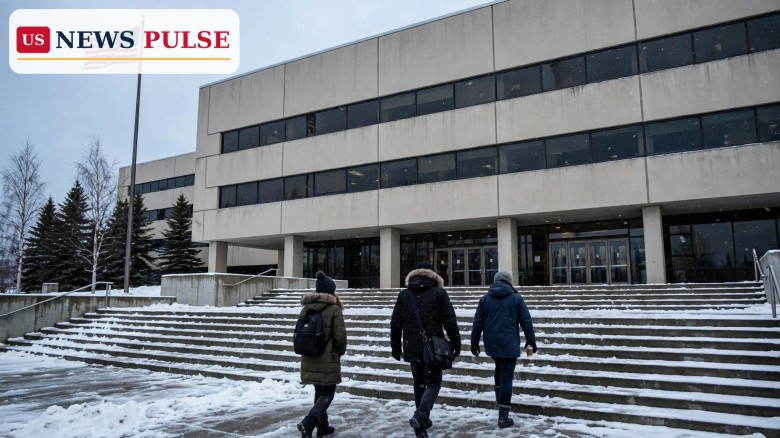
ANCHORAGE, Alaska — An Alaska judge on Wednesday denied Democrat Mary Peltola’s campaign a list of voters whose absentee ballots were rejected in the nation’s only Senate race still without a winner, ruling that election officials are too busy counting ballots to produce the report. Superior Court Judge Thomas Matthews called the request “not reasonable” at the height of the count, keeping the razor-thin Alaska Senate contest on course for a ranked-choice tabulation next week.
Peltola leads incumbent Republican Senator Dan Sullivan by 4,250 votes, 118,926 to 114,676, with about 245,470 ballots counted and roughly 84 to 86 percent of the vote in, per AP and Reuters tallies — about 49 percent to 47 percent. Alaska is the last Senate race in the country still uncalled after the November 3 midterms, and its outcome will decide whether Democrats finish with 55 or 56 seats.
Key Points
- Superior Court Judge Thomas Matthews ruled Wednesday, November 11, that Peltola’s campaign will not get a list of voters whose absentee ballots were rejected.
- Matthews wrote the Division of Elections is “currently busy processing ballots” and “simply lacks the capacity to generate the report.”
- The campaign sued Lieutenant Governor Nancy Dahlstrom and Elections Director Carol Beecher on November 5–6, seeking names and accept-or-reject codes for rejected absentee ballots.
- Peltola leads Senator Dan Sullivan 118,926 to 114,676 — a 4,250-vote edge, about 49 percent to 47 percent — with roughly 84–86 percent counted.
- If no candidate tops 50 percent, ranked-choice tabulation is set for November 18; certification is targeted for November 25.
What Happened
The campaign, Alaskans for Mary, went to court last week seeking the absentee ballot register: the names of voters whose absentee ballots were rejected, with the codes showing whether each ballot was accepted or rejected and why. It said the list was needed to verify that every qualified voter’s ballot was counted in a race separated by only a few thousand votes.
Matthews heard arguments on Tuesday, November 10, and ruled the next day. He held the daily absentee review reports are temporary working documents, not public records under Alaska’s Public Records Act, and cannot reasonably be produced and stripped of confidential details such as voters’ home addresses now. “The timing of the Campaign’s request could simply not be worse,” he wrote, adding it was “simply not reasonable nor required right now.” The ruling closes — for now — the fastest route to a detailed check of rejected absentee ballots.
Background: The Alaska Senate Race
The Alaska Senate race has been the most litigated contest of the 2026 midterms. Weeks before Election Day, the Justice Department sued to block certification if Peltola won, citing voter confusion between Senator Dan S. Sullivan and a same-name rival, Daniel J. Sullivan Jr., a retired Petersburg schoolteacher. Peltola and the Democratic Senatorial Campaign Committee asked a federal judge to dismiss the suit.
President Donald Trump weighed in repeatedly, demanding in late October that Peltola be removed from the ballot, then declaring days after the election that “The Alaska Race is OVER! Dan Sullivan WON, BY A LOT!” — though Peltola still led by 637 votes. Federal prosecutors have also pressed Alaska to segregate ballots in the race. Under Alaska’s ranked-choice system, a candidate needs more than 50 percent to win outright; otherwise second-choice votes are reallocated on November 18.
Alaska Absentee Ballot Ruling: What the Judge Decided
Matthews’ ruling turned on two questions: are the documents public records, and can the state reasonably produce them now? He found the daily review reports are working papers used by election staff as ballots arrive, not finished public records, and that the division lacks the staff capacity to pull the report and remove confidential details such as home addresses.
The judge was blunt about the timing, while leaving the door open for the same request outside peak election season. The campaign sued Dahlstrom and Beecher; neither office had commented publicly, and the campaign has not said whether it will appeal or seek the records after certification.
Reactions and Quotes
Judge Matthews’ order carried the sharpest language of the case. “The timing of the Campaign’s request could simply not be worse,” he wrote, adding it was “simply not reasonable nor required right now.” He described the Division of Elections as “currently busy processing ballots from the 2026 general election” and said it “simply lacks the capacity to generate the report” the campaign requested.
The campaign argued the list was needed to verify that all qualified voters’ ballots were counted, and that transparency matters most when the margin is this narrow. The state argued the mechanics of the count — and the privacy of voters whose ballots were rejected — must come first. Neither campaign responded publicly, and both have kept observers at the count.
Why It Matters
Alaska is the final uncalled Senate race, and its result will set the size of the Democratic majority. Democrats already hold a 55–44 edge; a Peltola win would make it 56, their largest Senate majority in years, while a Sullivan win would hold it to 55.
The ruling also sets a marker for mid-count disputes: courts are reluctant to pull election staff off counting to produce records. For Alaska voters, the practical effect is that the campaign will not have the rejected-ballot list to check while the count is live, though the state will keep publishing aggregate results, with the next release expected on Friday.
What Happens Next
The next results release is expected on Friday. If neither candidate crosses 50 percent, the state will run its ranked-choice tabulation on November 18. Certification is targeted for November 25.
The federal litigation over certification will continue in parallel. The campaign has not said whether it will appeal or renew its request once counting is complete. For now, the race remains uncalled, close, and heading for a ranked-choice finish that will not be resolved until the middle of next week at the earliest.
Frequently Asked Questions
Who is Mary Peltola?
The Democratic candidate for the US Senate in Alaska and a former member of the US House, challenging incumbent Republican Senator Dan Sullivan.
What did Judge Thomas Matthews decide?
That Peltola’s campaign will not get a list of voters whose absentee ballots were rejected, because the request is “not reasonable” while counting continues.
Why did the campaign want the absentee ballot list?
To verify that every qualified voter’s ballot was counted in a race separated by only about 4,250 votes.
When will the Alaska Senate race be decided?
If no candidate tops 50 percent, ranked-choice tabulation will be held on November 18; certification is targeted for November 25.
What is the current margin in the Alaska Senate race?
Peltola leads Sullivan 118,926 to 114,676 — a 4,250-vote lead, about 49 percent to 47 percent — with roughly 84 to 86 percent counted.
Related coverage: Justice Department seeks Alaska ballot segregation in Dan Sullivan Senate race • Peltola asks judge to toss DOJ certification case in Alaska • DOJ sues to block Alaska Senate certification if Dan S. Sullivan loses
Leave a Comment