


 | Today's Date:

Minnesota Mayoral Race Ends in 1,401-1,401 Tie, Winner Drawn From a Bag
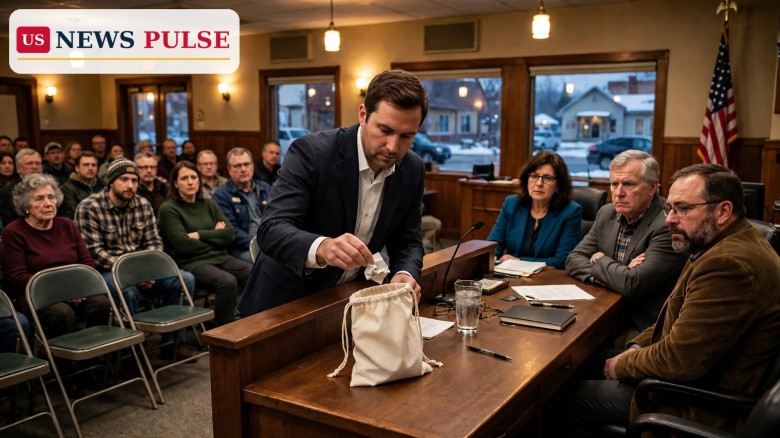
In Spring Lake Park, Minnesota, the race for mayor came down to the last vote — literally. When the final ballots were counted after the November 3, 2026 election, incumbent Mayor Bob Nelson and challenger Halyn Roth had each received exactly 1,401 votes out of 2,802 cast, a dead-even Minnesota mayoral race tie. With the law offering no second vote, the winner was decided the old-fashioned way: a name drawn from a bag in front of nearly 100 neighbours.
On Monday evening, November 9, city administrator Dan Buchholtz stood before a packed council chamber, held out a bright blue woven tote bag carrying two identical canisters, and asked council member Barbara Goodboe-Bisschoff to reach in and pull out a winner. She looked away, drew one, and Buchholtz unfolded the slip. "The successful candidate is Bob Nelson," he announced to a room split evenly between applause and boos.
Nelson keeps his seat — for now. Just five minutes later, Roth filed for a recount, and a dozen election judges will hand-count every Spring Lake Park vote later in November. If Roth ends up ahead, Roth wins. If the hand count ties again, Nelson holds the seat because he won the draw.
Key Points
- The Spring Lake Park mayoral race ended in an exact 1,401-1,401 tie out of 2,802 votes cast on November 3, 2026.
- Under Minnesota law, tied races are decided by a random drawing; at least 28 US states require some form of random draw.
- Buchholtz printed both names identically, placed them in matching canisters inside a city tote bag, and Goodboe-Bisschoff drew the winner before close to 100 spectators on November 9.
- Nelson's name was drawn — but Roth filed for a recount five minutes later, and a dozen election judges will hand-count every ballot later in November.
What Happened
Spring Lake Park is a small suburb north of Minneapolis, and its mayoral contest looked settled on election night. Nelson, the incumbent, appeared to lead by four votes as the evening drew to a close. By the following morning, that edge had vanished: the final tally showed the two candidates locked at 1,401 votes apiece, with every ballot counted.
Minnesota law leaves no room for a revote here. When a race ends in a tie, the winner is chosen by lot. Buchholtz worked with the city attorney to settle the method. Drawing names from a bag, he decided, was "the most fair and objective" strategy. A coin toss would have forced him to assign heads to one candidate and tails to the other. "I'd have to assign one candidate heads and one candidate tails. Then it'd be, 'Well, why did you decide to pick heads for this person versus tails?'" he told CNN.
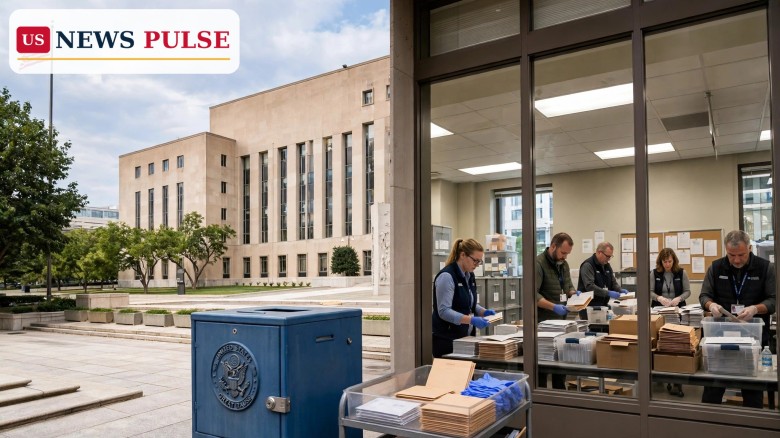
The preparation was deliberately meticulous. Buchholtz typed both names in the same Arial font, printed them on twin blank papers cut to exactness, and bought matching canisters at the Hy-Vee grocery store across from City Hall. The names went into the canisters, the canisters went into a city tote bag, and the bag went to the council chambers.
Background and Context
Election ties are far more common than most voters realise, and they cluster exactly where Spring Lake Park sits: small electorates, local offices, off-year elections. Derek Muller, an elections law expert at the University of Notre Dame, told CNN the likelihood of a tie rises as the electorate shrinks. "It shouldn't surprise us that there are dozens of ties each year in the United States," Muller said.
How states resolve those ties is a patchwork. At least 28 states require some type of random drawing to settle tied races, according to the National Conference of State Legislatures. Few state laws dictate the exact object — Idaho specifically calls for a coin toss — while Minnesota leaves the mechanism to local officials.
Minnesota Mayoral Race Tie: How the Draw Worked
The Spring Lake Park drawing was designed to remove every trace of human choice. Both names were printed in the same font, on the same paper, cut to the same size. The canisters were identical, stripped of labels and contents. The person who drew the name looked away as she reached in.
Buchholtz, who has overseen elections in Minnesota for 25 years, said it was a first for him. "It's probably the only time in my career that something like this will happen," he said. "This really has been kind of fun." The transparency was the point: the whole procedure happened in public, with the slips displayed and the result announced on the spot. "I believe we have good laws in the state of Minnesota governing elections, and I think that this makes the voting process and the election transparent to our residents," Buchholtz said.
Reactions and Quotes
The room's split reaction — applause and boos in equal measure — captured a community that had just watched its mayor chosen by chance. Experts say the public quality of the drawing is a feature, not a flaw: a visible, random process gives the losing side something a decision made behind closed doors cannot — a result everyone in the room saw happen.
Why It Matters
A mayoral race decided by a draw is easy to treat as a curiosity, but it touches something central to how Americans trust their elections. The count caught a four-vote swing overnight, the tie was acknowledged rather than buried, the method avoided favouritism, and the whole thing happened in front of the public. The recount is the real decider: one missed ballot could change the mayoralty.
What Happens Next
A dozen election judges will convene at the courthouse later in November to count every Spring Lake Park vote by hand. If Roth finishes with more votes, Roth becomes mayor. If the count ties again at 1,401 each, Nelson keeps the seat by virtue of the drawing. Whatever the judges find, the mayor will have been chosen in full public view.
For more on Minnesota and the midterm season, see our coverage of the federal daycare fraud investigation in Minnesota and the Senate leadership race shaping the next Congress.
Frequently Asked Questions
Who won the Spring Lake Park mayoral race?
Incumbent Mayor Bob Nelson won the tie-breaking drawing on Monday, November 9, 2026. The result is not final: challenger Halyn Roth filed for a recount five minutes later.
How many votes did each candidate receive?
Exactly 1,401 votes each, out of 2,802 ballots cast. Nelson led by four votes on election night; the final count showed a perfect tie.
Why was the winner picked from a bag?
Minnesota law requires tied races to be decided by a random drawing, and at least 28 US states have similar rules. City administrator Dan Buchholtz chose a name draw as "the most fair and objective" method.
What happens in the recount?
A dozen election judges will hand-count every Spring Lake Park ballot later in November. If Roth ends up with more votes, Roth wins; if it ties again, Nelson keeps the seat.
How common are tied elections in the US?
Dozens happen every year, according to elections expert Derek Muller of the University of Notre Dame, mostly in small local races.
Leave a Comment