


 | Today's Date:

UN Extends Central African Republic Peacekeeping Mission to November 2027
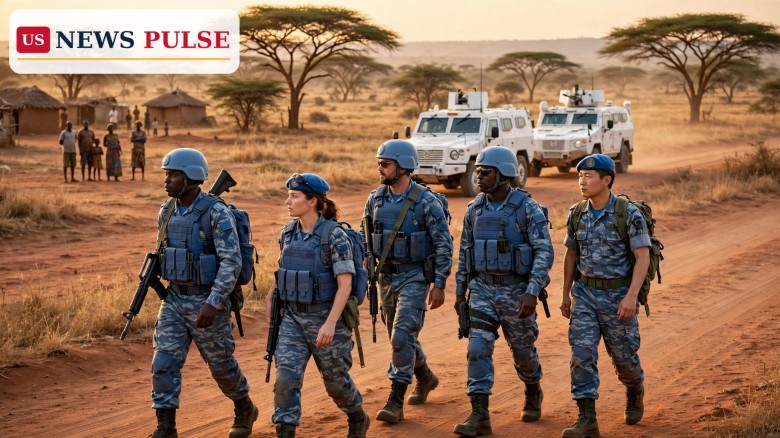
The United Nations Security Council has voted unanimously to keep its peacekeeping mission in the Central African Republic running for another year, but with a smaller force and a clear message from Washington that the mission should be working toward its own end. Resolution 2836, adopted on Thursday, November 12, 2026, extends the mandate of the United Nations Multidimensional Integrated Stabilization Mission in the Central African Republic, known as MINUSCA, until November 15, 2027. The resolution cuts the mission's authorized military strength from 14,046 troops to 12,000 and orders a gradual, conditions-based handover of selected tasks to the Central African authorities. The decision comes weeks before a presidential election, after the mission's chief warned of renewed violence in the east.
Key Points
- The Security Council unanimously adopted Resolution 2836 on November 12, 2026, extending MINUSCA's mandate until November 15, 2027.
- Authorized troops fall from 14,046 to 12,000, police from 2,999 to 2,265, and corrections officers by 68 to 40.
- The US backed the renewal but said successful peacekeeping missions "work themselves out of a job," framing the vote as a step toward an eventual exit.
- The renewal comes weeks before the December 15, 2026 presidential election, in which President Faustin-Archange Touadera seeks a third term.
- Mission chief Valentine Rugwabiza warned the Council in October of a resurgence of deadly violence in the east.
What Happened
The November 12 vote was unanimous, with all fifteen Council members backing Resolution 2836. It extends MINUSCA's mandate for twelve more months and redraws the size of the force: the military ceiling falls from 14,046 to 12,000, a cut of 2,046 troops, while police drop from 2,999 to 2,265 and corrections officers fall by 68, to 40. The resolution also orders the mission to concentrate its remaining resources in high-risk border areas and to hand over selected tasks gradually, only when conditions allow.
The United States had pressed for a deeper cut, seeking a troop ceiling of 11,000. The final figure of 12,000 is a compromise between Washington's position and other Council members who wanted to preserve more of the force. The US Mission to the United Nations backed the vote as positioning MINUSCA for an eventual exit, in line with Washington's push to wind down long-running peacekeeping operations.
Background: A Mission in Place Since 2014
MINUSCA has operated in the Central African Republic since 2014, when the Security Council created it to protect civilians and support the political transition after years of conflict. Its peacekeepers patrol towns and roads, guard displaced people and help the state extend its authority beyond the capital, Bangui. It is one of the UN's largest and most dangerous missions, and its troops have repeatedly come under attack.
The country has made halting progress. A 2019 peace agreement brought some armed groups into a political process, and the government has regained control of parts of the territory. But the east remains unstable, and mission chief Valentine Rugwabiza warned the Council in October that deadly violence there was resurging even as other areas improved. Two weeks earlier the UN began liquidating its Western Sahara mission, MINURSO, after 35 years, when the Council failed to renew its mandate.
MINUSCA Mandate Extension: A Smaller Force With the Same High-Risk Job
The question is what 12,000 troops can still do in a country the size of France, where roads are poor and armed groups move freely across borders. The resolution answers by telling the mission to concentrate: resources go to high-risk areas, particularly along the borders, while tasks that can be handed to Central African forces are transferred gradually and only when conditions allow.
The police cut is significant. Losing 734 officers will reduce the mission's ability to train and support local police, a core part of rebuilding the state's own security. The corrections cut, from 108 to 40, points the same way: the UN is stepping back from running parts of the justice system. Supporters say a leaner mission can be more focused; critics point to the east, where the threat has not gone away.
Reactions and Quotes
The clearest statement of the American position came from the US Mission to the United Nations, which said it voted for the mandate because successful peacekeeping missions should work themselves out of a job. Washington had sought a deeper cut to an 11,000-troop ceiling and, while it did not get that figure, the direction of travel is the one it wanted.
Within the Council, the unanimous vote suggests even members who might have preferred a larger force accepted the compromise. The language on a gradual, sequenced and conditions-based transfer was the bridge between those who wanted to preserve the mission and those who wanted a faster wind-down. Rugwabiza's warning remains the counterweight: the mission's job is not finished.
Why It Matters
The timing matters most. The Central African Republic holds a presidential election on December 15, 2026, in which President Faustin-Archange Touadera seeks a third term. Elections there have been flashpoints for violence, and a UN mission seen to be shrinking could be tested by armed groups looking for an opening. A stable, credible vote is the best argument the mission can make for its own eventual departure.
The decision also matters beyond the country. Washington is pressing to wind down long-running peacekeeping operations, and MINUSCA is the latest test of that policy. If the handover works, it will be held up as a model; if violence surges, the Council will face questions about cutting too far, too fast. The UN's move to begin liquidating its Western Sahara mission after 35 years shows how fast the landscape is changing, and the shelter crisis in Sudan underlines the strain on a shrinking UN presence in Africa.
What Happens Next
The immediate focus is the December 15 election. MINUSCA's remaining troops will be expected to help secure the vote, protect civilians and support the authorities through polling day and the announcement of results, when tensions can run high.
Beyond the election, the gradual transfer of tasks will begin, guided by conditions on the ground rather than a fixed timetable. The Council will receive regular reports, and the next mandate decision will come before November 15, 2027, when the current extension expires.
Frequently Asked Questions
What is MINUSCA?
MINUSCA is the UN stabilization mission in the Central African Republic, operating there since 2014 to protect civilians and support the political transition.
How long is the new mandate?
The Council extended it until November 15, 2027, under Resolution 2836, adopted unanimously on November 12, 2026.
How many troops are being cut?
The military ceiling falls from 14,046 to 12,000 troops, a cut of 2,046. Police fall from 2,999 to 2,265, and corrections officers drop by 68 to 40.
Why does the US want the mission to end eventually?
Washington argues successful peacekeeping missions should work themselves out of a job, and it is pressing to wind down long-running UN operations.
When is the election?
The presidential election is scheduled for December 15, 2026. President Faustin-Archange Touadera is seeking a third term.
Leave a Comment