

 | Today's Date:





California E. coli Outbreak: Child Dies as Preschool Case Emerges - US News Pulse
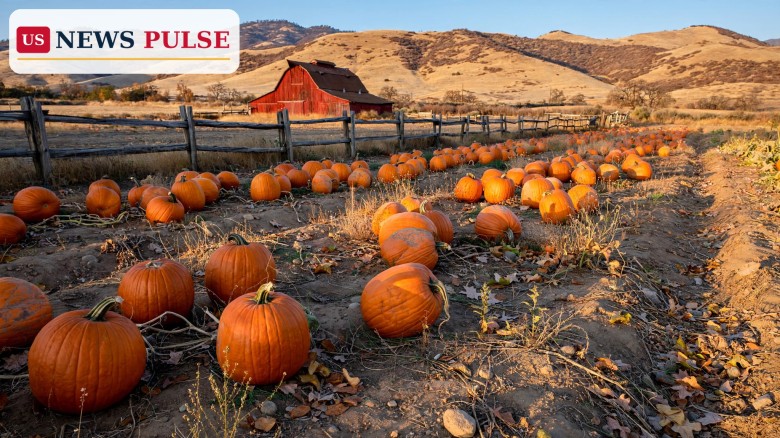
San Luis Obispo, California — The California E. coli outbreak that began at a pumpkin patch in San Luis Obispo County has claimed the life of an 18-month-old girl, and a sixth confirmed case has been traced to person-to-person transmission at a local preschool.
The toddler visited Brookshire Farms in mid-October, fell ill days later and developed haemolytic uremic syndrome (HUS). She spent 10 days at Stanford's Lucile Packard Children's Hospital and died on November 4. The county confirmed the death on November 10.
On November 14, the county announced a sixth lab-confirmed case of E. coli O157 in a person who had never visited the farm. Officials believe the infection was passed person to person at a preschool in San Luis Obispo by one of the five earlier patients. The new patient also developed HUS, was hospitalised and is now recovering at home. In total, 15 people have fallen ill and one has died.
Key Points
- An 18-month-old girl who visited Brookshire Farms in mid-October died on November 4 from HUS, after 10 days at Stanford's Lucile Packard Children's Hospital.
- A sixth confirmed E. coli O157 case was announced on November 14 in a person who never visited the farm, infected person to person at a preschool.
- The county closed its farm investigation on November 6 with five lab-confirmed and 10 suspected cases, saying the risk had passed; the farm reopened the same day.
- Testing of food, water and environmental samples never found the outbreak strain, so no source has been named.
- A 6-year-old boy from Nipomo remains in hospital more than three weeks after falling ill, transferred to Stanford with kidney failure.
What Happened
Between October 16 and 26, families visited Brookshire Farms, a pumpkin patch on Los Osos Valley Road in San Luis Obispo. Within days, visitors began falling ill with severe stomach cramps and bloody diarrhoea. On October 29, the county reported five laboratory-confirmed cases — two adults and three children — linked to the farm. By October 30, three of the five had developed HUS.
The youngest victim was already fighting for her life. Her grandmother told The San Luis Obispo Tribune the child visited the farm in mid-October and became ill days later. She died on November 4 — two days before the county closed its investigation.
On November 6, the county closed its investigation — five lab-confirmed cases and 10 suspected — saying the risk had passed. Brookshire Farms reopened the same day. But the outbreak was not over: on November 14, the county announced the sixth confirmed case — the preschool patient, who had never visited the farm. The affected classrooms were closed on Monday, November 16.
California E. coli Outbreak: How the Farm Cases Unfolded
Brookshire Farms sits on Los Osos Valley Road, near San Luis Obispo on California's Central Coast. This autumn it became the suspected centre of an outbreak health officials have struggled to pin down.
Environmental testing at the farm did not find the O157 strain that made people sick. The county listed corn cups, pumpkins, hay and non-potable water among the patients' common exposures, but no single source has been identified. Ten more suspected cases were counted alongside the five confirmed ones, bringing the total sickened to 15. Four developed HUS.
The 6-year-old boy from Nipomo visited the farm on October 17 and was transferred to Stanford on October 27 with kidney failure. He was still in hospital more than three weeks after he first fell ill.
Reactions and Quotes
County Health Officer Dr Christy Mulkerin announced the preschool case. "Since the transmission is thought to have occurred at the school, families were notified, thorough cleaning protocols were initiated, and the affected classrooms will be closed on Monday," Mulkerin said. She added that the preschool was cooperating with public health officials.
Dr Monica Gandhi, an infectious disease specialist at UC San Francisco, told SFGATE secondary transmission in a preschool is uncommon but possible: "The infectious dose of pathogenic E. coli is small, so secondary transmission can certainly occur from person to person, an event that can occur in a preschool setting as young children are still learning routines of hand washing, share toys, or use the same contaminated common surfaces, etc."
Why It Matters
The death of an 18-month-old child and the spread into a preschool show how dangerous this outbreak has become. Children under five face the highest risk of serious complications, and HUS — which destroys red blood cells and can cause kidney failure — is the most feared. The US Centers for Disease Control and Prevention warns that HUS can result in permanent health problems or death.
The preschool case arrived after the county had declared the risk over: the farm investigation closed on November 6, the farm reopened, and families were told the danger had passed. Eight days later, a sixth case appeared in a setting no one had warned about — a reminder that E. coli does not only travel through food, and that in a preschool, where small children share toys and surfaces, one child's germ can reach another.
What Happens Next
The affected preschool classrooms were closed on Monday, November 16, for cleaning, and the county is monitoring for further cases. The sixth patient is recovering at home after hospital treatment for HUS. No further cases have been announced since November 14. Brookshire Farms remains open, and the county has not said whether it will reopen the farm investigation.
Health officials urge parents to watch children for symptoms — severe cramps, diarrhoea, vomiting and especially bloody diarrhoea — and to seek care quickly. Early attention matters most for the youngest children, who are the most likely to develop HUS.
Related coverage: US measles deaths reach 10 in 2026, CDC blocked measles alert for pregnant women, scientists reveal.
Frequently Asked Questions
What is Shiga toxin-producing E. coli?
Shiga toxin-producing E. coli (STEC) is a type of E. coli whose toxin causes severe stomach cramps, bloody diarrhoea and vomiting. The O157 strain here is the best-known form. Most people recover within a week, but some young children develop haemolytic uremic syndrome.
How did the preschool patient get infected without visiting the farm?
Officials believe it was passed person to person at a San Luis Obispo preschool by one of the five earlier patients. STEC can spread when traces of infected stool reach another person's mouth via unwashed hands, shared toys or contaminated surfaces.
What is haemolytic uremic syndrome (HUS)?
HUS is a complication in which the toxin destroys red blood cells and damages the kidneys, sometimes causing kidney failure. It most often affects children under five, and the CDC warns it can cause permanent health problems or death.
Is Brookshire Farms still open?
Yes. The county closed its investigation on November 6, saying the risk had passed, and the farm reopened the same day. Testing never found the outbreak strain, so no source was named.
What should parents do if a child shows symptoms?
Seek care promptly for severe stomach cramps, bloody diarrhoea or vomiting, especially in a child under five. Wash hands often with soap and water, and keep a sick child home until cleared by a doctor.

The US News Pulse newsroom covers breaking news across the United States and the world, working from wire services, official statements and on-the-record sources. Every story is reviewed against our editorial standards before publication. Corrections and tips: info@usnewspulse.com
About our newsroomLeave a Comment