

 | Today's Date:





35% of Trump's 2024 Voters Skipped the Midterms, Poll Finds - US News Pulse
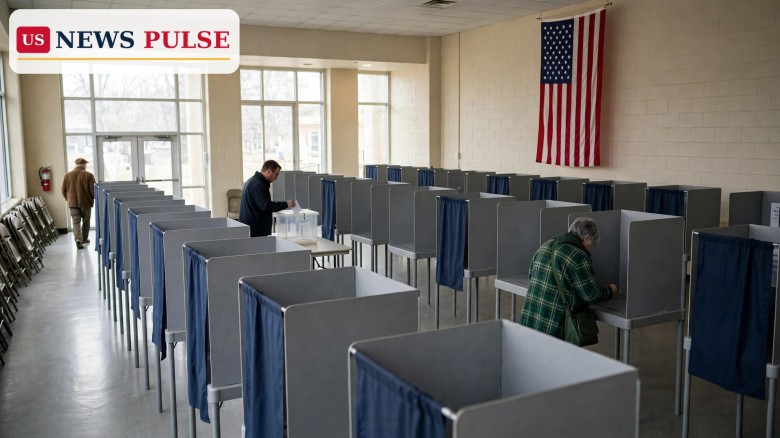
A new poll finds that the Democrats' sweeping midterm victories were built less on voters changing their minds than on millions of Donald Trump's supporters simply staying home. J.L. Partners, in a report released on Monday, November 16, 2026, found that 35 percent of Americans who voted for Trump in 2024 did not cast a ballot in the November 3 midterms — a no-show rate far higher than among Kamala Harris's 2024 supporters, and, the pollster says, the main engine of the roughly 15-point swing toward Democrats since 2024.
The report, titled "Sitting Out the Surf: How Turnout, Not Swing, Built the Blue Wave", argues that the 2026 midterms were decided above all by who showed up — and who did not. Only 8 percent of Trump's 2024 supporters voted for Democratic candidates, the analysis found, meaning very few voters actually switched sides. Instead, the Democratic gains were powered by an absence: millions of 2024 Trump voters who never made it to the polls.
Key Points
- 35 percent of voters who backed Donald Trump in 2024 did not vote in the November 3, 2026 midterms, compared with 22 percent of Kamala Harris's 2024 voters.
- Only 8 percent of Trump's 2024 supporters voted for Democratic candidates. Low Republican turnout explains about 10 points of the roughly 15-point swing toward Democrats since 2024; party-switching explains the other five.
- Republicans would still have lost control of both the House and Senate even if no voter had switched sides, the J.L. Partners analysis concludes.
- The no-show rate was steepest in Trump's core coalition: 46 percent of his 2024 voters without college degrees, 44 percent of those over 65 and 39 percent of rural voters did not vote.
- Democrats won the national House vote 55 percent to 44 percent, and earlier estimates put roughly 20 to 25 million 2024 Trump voters staying home.
What Happened
J.L. Partners released its report on Monday, November 16, 2026, nearly two weeks after voters went to the polls on November 3. The analysis drew on a 1,000-person Election Day poll, with a margin of error of 3.4 points, cross-checked against more than 30,000 interviews conducted during the campaign.
The pollster then separated the two forces that can move an election: voters switching sides and voters staying home. Party-switching was modest. Just 8 percent of Trump's 2024 supporters cast ballots for Democratic candidates, and the analysis calculates that switching accounted for only about five points of the roughly 15-point swing toward Democrats. Low Republican turnout, by contrast, accounted for about 10 points — twice as much.
That arithmetic leads to the report's starkest conclusion: even if not a single voter had switched sides, Republicans would still have lost control of both the House and the Senate.
Background
The November 3 midterms delivered a sweeping Democratic victory. Democrats won the national House vote by 55 percent to 44 percent and took control of both chambers of Congress, reshaping the final two years of Trump's second term. In the days after the election, early estimates suggested that roughly 20 to 25 million people who had voted for Trump in 2024 stayed home — a figure the J.L. Partners report now puts on a firmer footing.
Trump Voters Skipped the Midterms: Why So Many Stayed Home
The report does not settle why so many Trump voters stayed away, but it points to the shape of the problem. The voters who skipped the midterms were disproportionately older, rural and without a college degree — people who are harder and more expensive to reach, and who may have seen less reason to vote in an election without Trump himself on the ballot.
The data also undercut the idea that the results were driven by a broad rejection of Trump's agenda. If voters had been repelled by the administration's record, the report argues, far more than 8 percent of his 2024 supporters would have crossed over to vote for Democrats. Instead, they mostly stayed home — a sign, the pollster says, that the coalition is intact but unmobilised.
That distinction matters enormously for both parties. A defeat caused by voters switching sides would suggest the Republican platform needs to change. A defeat caused by voters staying home suggests the platform is fine and the turnout operation failed — a very different diagnosis, with very different remedies.
Reactions and Quotes
James Johnson, the founding director of J.L. Partners, said the results were not a rejection of the MAGA agenda. The report's message, he argued, is that the Republican Party needs to get those voters back to the polls — the coalition that won in 2024 is still there, but it did not vote in 2026.
Why It Matters
The report reframes the meaning of the 2026 midterms. If the Democratic wave was built on turnout rather than conversion, then the underlying balance of American politics has shifted less than the seat counts suggest. The voters who delivered Trump's 2024 victory have not become Democrats; they simply did not vote. That makes the 2028 presidential election far more open than a straight reading of the midterm results would imply.
For Republicans, the stakes are immediate. The party now faces two years in the minority in both chambers. The path back, according to J.L. Partners, runs through the voters who stayed home — older, rural and working-class supporters who need a reason to vote when Trump is not on the ballot.
What Happens Next
Republican leaders are already debating how to rebuild their turnout operation before 2028. The report's breakdown — by age, education and geography — gives the party a map of exactly which voters it lost to apathy, and strategists are expected to focus on reaching older and rural voters who sat out the midterms.
Frequently Asked Questions
What did the J.L. Partners poll find?
That 35 percent of Trump's 2024 voters did not vote in the November 3, 2026 midterms, versus 22 percent of Harris's voters — and that low Republican turnout, not party-switching, drove most of the Democrats' gains.
How many Trump voters stayed home?
Earlier estimates put it at roughly 20 to 25 million 2024 Trump voters. The report puts the stay-home rate at 35 percent of his 2024 supporters.
Did many voters switch parties?
No. Only 8 percent of Trump's 2024 supporters voted for Democrats. Switching explains about five points of the roughly 15-point swing since 2024; low Republican turnout explains about 10.
Which Trump voters were most likely to stay home?
Those without college degrees (46 percent), those over 65 (44 percent) and rural voters (39 percent).
What does it mean for 2028?
The Republican coalition looks intact but unmobilised: the party lost because its voters stayed home, not because they switched sides. If Republicans bring them back, 2028 could look very different from 2026.
Read more on US News Pulse: Elon Musk deletes 'Vote red today' post after Democrats sweep 2026 midterms, Democratic attorney general wins in five states could reshape US lawsuits and Ken Paxton drops NCAA lawsuit over transgender athletes in women's sports.

The US News Pulse newsroom covers breaking news across the United States and the world, working from wire services, official statements and on-the-record sources. Every story is reviewed against our editorial standards before publication. Corrections and tips: info@usnewspulse.com
About our newsroomLeave a Comment