

 | Today's Date:



Iran Hardens Stance After Midterms and Drafts Escalation Plans, NYT Reports
Iran has hardened its negotiating position toward the United States and drawn up plans to escalate the conflict in the Gulf, reading the Republican Party's midterm election losses as a public rebuke of President Donald Trump's handling of the war, The New York Times reported on Tuesday. Tehran now believes the economic pain it inflicted on American voters by disrupting shipping through the Strait of Hormuz has paid off, and it is in no hurry to make concessions.
Key Points
- Iran has hardened its stance since the November 3 midterms, interpreting the Republican losses as a rejection of President Trump's war policy, the Times reported, citing American, European and Iranian officials.
- Tehran believes disrupting Hormuz shipping inflicted economic pain on American voters, and that it worked.
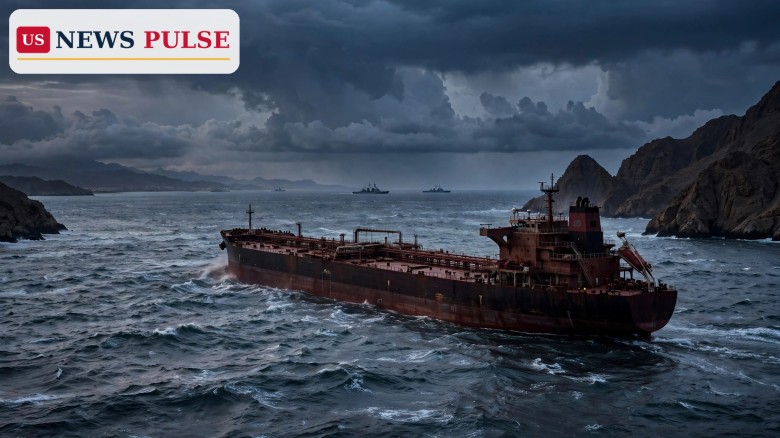
- Iran has drafted plans to escalate, including possible attacks on tankers in the Strait, to force Washington back to the negotiating table.
- The Strait remains the sticking point: Iran demands sanctions relief and Arab payments before restoring free shipping, while Washington insists vessel attacks must stop first.
- President Trump faces a stark choice: a diplomatic deal, renewed military strikes, or withdrawing some of the large American force deployed to the region.
What Happened
The New York Times reported on Tuesday, November 18, that Iran has hardened its position toward the United States since the midterm elections, with Tehran reading the results as a rejection of President Trump's handling of a war that began more than eight months ago. The report drew on American, European and Iranian officials.
Iranian leaders believe disrupting shipping through the Strait of Hormuz, the narrow waterway carrying a large share of the world's seaborne oil, inflicted real economic pain on American voters, and that the pain helped drive the Republican defeat. Tehran has now drafted plans to escalate, including possible attacks on tankers, to force Washington back to the negotiating table. Indirect talks continue through mediators including Pakistan and Oman, but American and European officials disagree over how willing Tehran is to deal.
Background: Eight Months of War in the Gulf
The war began on February 28, 2026, and is now in its ninth month, with no ceasefire in sight. Its central front has been the Strait of Hormuz, where Iran has repeatedly targeted commercial shipping to impose costs on the United States and its allies.
The latest wave underlined the danger. On November 16, the Panama-flagged LPG tanker Tara Gas was struck about seven nautical miles north of Khasab, Oman, disabling it and starting an engine-room fire. A second strike the next day forced its 25 crew to abandon ship, with one Indian seafarer missing, the seventeenth confirmed shipping incident this month.
Diplomacy has run alongside the fighting. Earlier this month, Foreign Minister Abbas Araghchi offered to reopen the Strait within two days if the United States ends the war, unfreezes Iranian assets and lifts oil sanctions, warning Iran would "rain down hell" if Washington chose war. The United States has kept three aircraft carriers in the region, which President Trump calls "fully locked and loaded", while saying fresh strikes are "highly unlikely" if talks progress.
Why Iran Hardens Its Stance After the Midterms
Tehran's reasoning, as described to the Times, is straightforward. The midterms delivered a sweeping defeat for the Republican Party, and Vice President JD Vance and other senior Republicans have publicly blamed the war for the loss. President Trump then removed Vance from the negotiating team and told him to focus on domestic affairs, a move Tehran read as evidence of divisions inside the administration and growing pressure to end the conflict.
That reading shapes the new posture. If the war is costing the president support at home, Tehran calculates, time is on its side, and concessions now would be concessions from weakness. Demands have therefore risen, not fallen: sanctions relief and payments from Arab countries before free shipping returns. Iran's leaders follow American politics closely, and they have watched the incoming Democratic majorities prepare to take both chambers of Congress in January.
Reactions and Quotes
Representative Jim Himes, the Connecticut Democrat set to chair the House Intelligence Committee in January, told the Times that Iranian leaders closely understand American political developments. "The message of the election will not be lost on the regime," he said. "They feel more strategically empowered against the Trump administration than they have in a long time."
Tehran-based analyst Peiman Salehi, close to the Iranian government, said Iranian leaders believe Trump faces mounting pressure from his own party and voters to end the war. "So, they are not going to stand down," he said. "They have been emboldened and feeling very confident right now." American and European officials disagree over Tehran's willingness to deal: some see a negotiating tactic over frozen assets, while others read the escalation planning as proof Tehran prefers pressure to compromise.
Why It Matters
The Strait of Hormuz is one of the world's most important energy chokepoints, and every threat to shipping there reaches American petrol stations and global oil prices within days. That is why Tehran chose it as its pressure point, and if a foreign adversary concludes that disrupting shipping can change an American election, the incentive to do it again only grows.
The hardening also narrows President Trump's options: a deal means meeting demands that have just risen, renewed strikes risk a wider war voters just rejected, and withdrawal would expose Gulf allies and hand Tehran a visible victory. American bases in Kuwait and Bahrain have already come under attack.
What Happens Next
The immediate question is what President Trump decides. His meetings in Shenzhen this week, including a first-ever three-way session with Chinese President Xi Jinping and Russian President Vladimir Putin at the APEC leaders' meeting, will be watched for any signal.
Indirect talks through Pakistan and Oman should continue, but with no direct negotiations since the election, the channel is thin. The test is whether Washington offers anything on sanctions relief or frozen assets before Iran stops attacking shipping, or whether Tehran escalates first. Democrats take both chambers of Congress in January, and Tehran will watch that transition closely.
Frequently Asked Questions
What did The New York Times report about Iran's stance?
Iran has hardened its position since the midterm losses and drafted escalation plans, including possible tanker attacks in the Strait.
Why does Iran think the midterm results help it?
Tehran believes its Hormuz shipping disruption caused economic pain for American voters and reads the Republican defeat as a rejection of Trump's war policy.
What are Iran's escalation plans?
Possible attacks on tankers in the Strait of Hormuz, aimed at forcing Washington back to the negotiating table on Tehran's terms.
What is the dispute over the Strait of Hormuz about?
Iran wants sanctions relief and payments from Arab countries before restoring free shipping; Washington insists vessel attacks must stop first.
What options does President Trump have now?
A diplomatic deal, renewed strikes, or withdrawing some of the American force in the region, with indirect talks via Pakistan and Oman.
Read more: Trump Frustrated With Vance Over Iran War Blame | Iran Warns US It Will 'Rain Down Hell' | Iran Says It Shot Down a US MQ-9 Reaper Drone

The US News Pulse newsroom covers breaking news across the United States and the world, working from wire services, official statements and on-the-record sources. Every story is reviewed against our editorial standards before publication. Corrections and tips: info@usnewspulse.com
About our newsroomLeave a Comment