

 | Today's Date:
AI Patching Caused US Outages, Not Hackers, Intelligence Chief Tells Congress - US News Pulse
America's intelligence chief has told Congress that the wave of outages that knocked out banks, flights, payment systems and even the NSA's classified network this week was caused by frantic security patching — not by hackers, and not by a foreign enemy. Director of National Intelligence Jay Clayton said the failures were separate maintenance accidents, tied to a rushed effort to patch serious software flaws, many found with AI. "Based on what we know today, after a great deal of digital diligence, these are separate service outages associated with maintenance and technical changes. They are not a coordinated or state-sponsored attacks," Clayton told the House Homeland Security Committee on Wednesday, November 18, 2026.
Key Points
- Clayton, DHS Secretary Markwayne Mullin and FBI Deputy Director Christopher Raia told the House Homeland Security Committee on November 18 that the week's outages were caused by patching, not cyberattacks.
- Clayton called them "separate service outages associated with maintenance and technical changes", "not a coordinated or state-sponsored attacks".
- The NSA's classified NSANet platform went down on November 17 after patching in PHP, following flaws found last month.
- The failures hit Microsoft, JPMorgan Chase, United Airlines, Apple Pay and the NSA, plus nationwide FAA flight groundings.
- Mullin was "98 percent confident" no adversary hacked US systems; DHS will convene an industry call.
What Happened
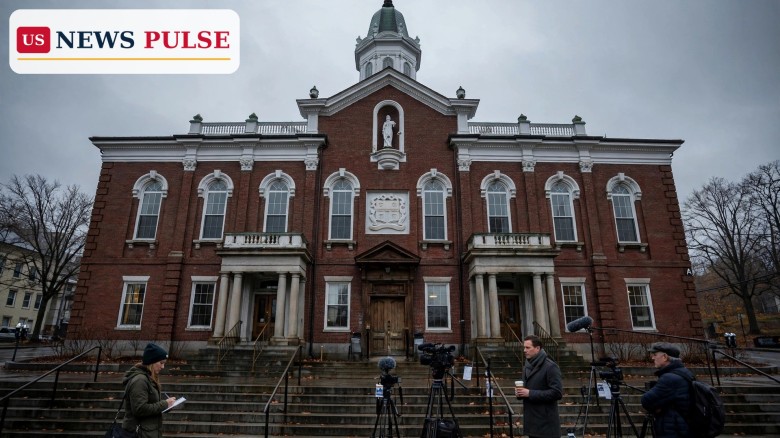
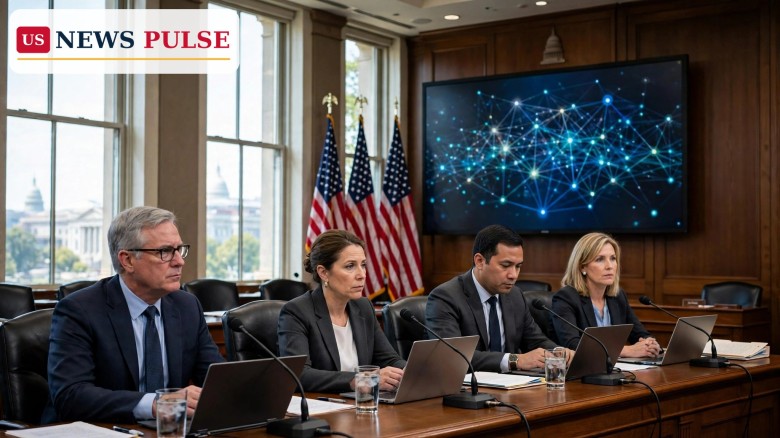
The three officials appeared before the House Homeland Security Committee on Wednesday, November 18, to explain a week in which one major American system after another went dark. Banks could not process payments, travellers were stranded by grounded flights, and the NSA's classified network stopped working. For days, the failures fed speculation that the United States was under a coordinated cyberattack. The hearing was the government's first chance to give one public explanation — and the answer was strikingly ordinary: maintenance.
Clayton was blunt: the outages were not connected to each other and not the work of any enemy — they were the side effects of urgent repair work. Mullin backed him up, saying he was "98 percent confident" the failures had "nothing to do with adversaries hacking US systems". Raia sat alongside them as they argued the week's chaos was self-inflicted: the price of fixing dangerous flaws before attackers could exploit them.
Background
The week began badly and kept getting worse. On Tuesday, November 17, the NSA's classified NSANet platform went down, locking staff out of the intelligence community's internal network. The failure spread to the agency's Georgia hub, where employees could not log in on a third straight day. It was the fourth major American systems failure of the week, and the one that most alarmed Washington: the agency that defends the country from cyberattacks could not keep its own network running.
Elsewhere, the damage was more visible. JPMorgan Chase customers were hit by banking outages, and Mullin had already blamed artificial intelligence for the bank failure. Microsoft services faltered, Apple Pay stopped working for some users, and United Airlines was caught in the disruption. The nationwide FAA flight groundings stranded travellers and pushed the White House into emergency meetings. Secretary of State Marco Rubio had already said there was "zero evidence" of a foreign attack.
AI Patching Caused the US Outages
What actually happened, Clayton said, was a repair job carried out at dangerous speed. Last month, serious vulnerabilities were found in widely used software — including the PHP programming language that underpins much of the web — and artificial intelligence helped find them faster than ever. Once the flaws were known, the race was on to close them before hostile hackers could exploit them. That meant patching systems across government and industry at once, in a hurry, with little time to test what the patches might break.
The NSA's own network was the clearest example. Clayton told Fox Business the NSANet failure was linked to PHP patching after flaws found last month. Most of the broader outages, he said, came from the same rush: teams across the country were applying AI-discovered fixes, and the fixes themselves took systems down. The patching was not the work of an enemy. It was the defence — applied so urgently that it caused the very disruption it was meant to prevent.
Reactions
Mullin, whose department protects American infrastructure, was the most emphatic of the three. His "98 percent confident" assessment left little room for doubt, and he promised action: DHS is convening a call with industry leaders, and companies carrying out massive software patches should warn customers before taking systems offline. The message was that the patching itself needs better management, not that it should stop.
The testimony also closed the circle on earlier, conflicting explanations. Mullin had already blamed AI for the bank outage, a claim JPMorgan disputed. Clayton's account ties those threads together: AI found the flaws, the rushed patches caused the failures, and no adversary was involved.
Why It Matters
The hearing matters because it ends a week of fear with a single, official answer. For travellers, bank customers and businesses, the difference between a cyberattack and a botched repair is the difference between a country under assault and one that broke its own systems while trying to fix them. The first demands retaliation; the second demands better engineering.
But the answer also raises a harder question. If the systems America relies on can be knocked out by their own repairs, the country is more fragile than it looks. AI finds software flaws faster than humans can safely fix them, and the rush to patch is a risk of its own. The next failure may come not from an enemy, but from the next urgent update.
What Happens Next
DHS will convene its industry call in the coming days, and Mullin's demand that companies warn customers before major patching goes offline will be the first test of whether the lesson has landed. Congress is likely to ask for a fuller account of which vulnerabilities were found, how they were patched and why so many systems failed at once.
Frequently Asked Questions
What caused the week's US outages?
Routine maintenance and security patching, the three officials told the House Homeland Security Committee on November 18, 2026.
Was it a cyberattack?
No. Clayton called them "separate service outages associated with maintenance and technical changes", "not a coordinated or state-sponsored attacks". Mullin was "98 percent confident" no adversary hacked US systems.
Why did the NSA's network go down?
Clayton said the classified NSANet platform went down on November 17 in connection with patching in PHP, after major vulnerabilities were found last month.
Which services were affected?
Microsoft services, JPMorgan Chase, United Airlines, Apple Pay and the NSA, plus the nationwide FAA flight groundings.
What happens now?
DHS is convening an industry call, and Mullin said companies doing massive software patches should warn customers before taking systems offline.
Read more: NSA Net Outage Hits Classified Network in Fourth Major US Systems Failure • Mullin Blames AI for Bank Outage, Disputing Chase Explanation • Iran Threats to Americans Have 'Substantially Increased,' Intelligence Chief Warns

The US News Pulse newsroom covers breaking news across the United States and the world, working from wire services, official statements and on-the-record sources. Every story is reviewed against our editorial standards before publication. Corrections and tips: info@usnewspulse.com
About our newsroomLeave a Comment