

 | Today's Date:




Iran Oil Tanker Loads Crude in Gulf in First Test of US Blockade Since July
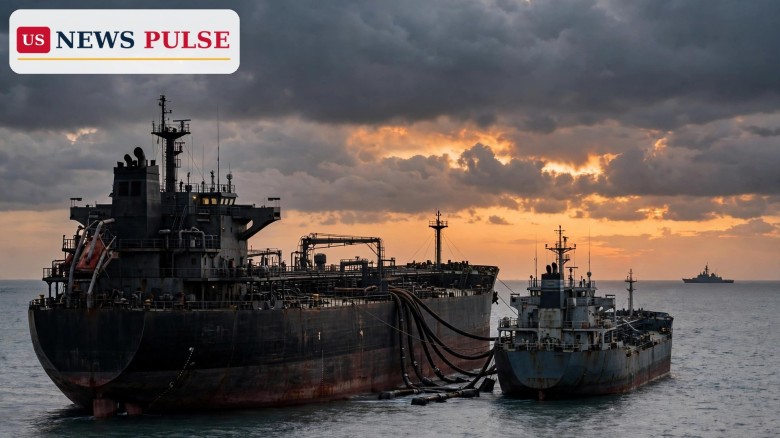
An oil tanker is loading Iranian crude in the Gulf through a ship-to-ship transfer, in what could become the first successful export of seaborne Iranian oil since the United States reimposed its naval blockade in July. The Iran oil tanker blockade is now facing its first real test, and whether it gets out may decide how far Washington will go.
Ship-monitoring service TankerTrackers.com told Reuters on Thursday, November 19, 2026, that the tanker was taking on Iranian crude at sea. At the time of the report it had not departed and no interception had been confirmed, so the first export is still conditional on the ship leaving the blockade perimeter.
Key Points
- A tanker was loading Iranian crude via a ship-to-ship transfer in the Gulf on Thursday, November 19, 2026, TankerTrackers.com told Reuters.
- If it leaves the blockade perimeter, it would be the first successful export of seaborne Iranian crude since mid-July, co-founder Samir Madani said.
- Madani declined to identify the vessel but said it is not subject to US Treasury sanctions, letting it enter the region without attracting scrutiny.
- Visible Iranian crude exports have collapsed to near zero in recent months under the blockade reimposed in July.
- The loading came a day after US Central Command warned ships receiving Iranian cargo at sea could be stopped or seized.
What Happened
The tanker was spotted loading Iranian crude in the Gulf on Thursday, November 19, 2026, receiving the oil from another vessel in a ship-to-ship transfer rather than loading at an Iranian port. TankerTrackers.com shared the finding with Reuters. "If the tanker leaves the blockade perimeter, then it will be the first successful export of seaborne Iranian crude oil since mid-July," Samir Madani, the service's co-founder, told Reuters.
Madani declined to name the vessel, but he said it is not subject to US Treasury sanctions, which is what allowed it to enter the region without attracting scrutiny. An unsanctioned ship can move through busy Gulf shipping lanes with far less attention than a sanctioned one.
Background and Context
The United States reimposed its naval blockade of Iran in July 2026, as the US-Iran war entered its ninth month since it began on February 28, 2026. The blockade aims to cut off the oil revenue funding Iran's war effort, and it has blocked tens of billions of dollars in Iranian crude from reaching world markets. Visible Iranian crude exports have collapsed to near zero in recent months, a sign the blockade has largely worked as an economic weapon.
Enforcement has been forceful. On November 7, 2026, US forces disabled the cargo vessel M/V Huda in the Gulf of Oman after its crew repeatedly ignored warnings and tried to breach the blockade,. Then, on Wednesday, November 18, US Central Command widened the net, announcing that ships receiving Iranian cargo through ship-to-ship transfers could be stopped, boarded, diverted or seized even without entering an Iranian port.
Iran Oil Tanker Blockade: Why a Ship-to-Ship Transfer Is the Test
A ship-to-ship transfer is the classic way to move sanctioned oil without touching a sanctioned port. One vessel loads crude at or near Iran, meets a second vessel in open water, and pumps the oil across. The receiving ship then carries the oil to buyers as if it had loaded it anywhere else. That is why Central Command moved on Wednesday to declare receiving ships fair game too: the transfer itself, not just the port call, is now a trigger for interception.
This tanker puts that new rule to its first test. Because the vessel is not under US Treasury sanctions, it could enter the region and begin loading without setting off the alarms a sanctioned ship would. If it sails out carrying Iranian crude, it will show the blockade can be worked around with clean vessels and open-water transfers. If US forces stop, board or divert it, it will show Washington is prepared to enforce the expanded rule with force.
Reactions and Quotes
TankerTrackers.com has been careful about what it will and will not say. Madani confirmed the loading and its significance, but declined to identify the vessel, saying only that it is not subject to US Treasury sanctions. Nothing in the report says the ship has left, and nothing says the United States has moved against it.
The US position was set out a day earlier, on Wednesday, November 18, when Central Command announced that ships receiving Iranian cargo through ship-to-ship transfers could be stopped, boarded, diverted or seized even without entering an Iranian port. The warning said enforcement could involve force. Iran has not publicly responded to this specific loading, and there has been no public comment from the vessel's owners or operators.
Why It Matters
Oil is the financial core of this war. Every barrel Iran cannot sell is revenue it cannot spend on missiles, drones and the proxy forces it has armed across the region, and the collapse of visible exports to near zero is the blockade's main achievement. A successful first export since July would not by itself restore Iran's oil income, but it would prove a route exists,
What Happens Next
The immediate question is whether the tanker departs the blockade perimeter, and what US forces do if it tries. Satellite trackers, insurers and shipping analysts will be watching for the vessel to get under way, and for any sign of a US warship moving to intercept. If the ship is stopped or boarded, the incident will become the first enforcement action under the expanded ship-to-ship rule, and the legal and diplomatic fallout will follow quickly.
Frequently Asked Questions
What happened in the Gulf?
A tanker was loading Iranian crude via a ship-to-ship transfer on Thursday, November 19, 2026. TankerTrackers.com told Reuters it could be the first vessel to export Iranian crude since July, if it leaves the perimeter.
What is the US blockade of Iran?
The United States reimposed a naval blockade of Iran in July 2026 during the US-Iran war, to stop Iranian crude exports and cut off revenue funding the war. Visible exports have collapsed to near zero since then.
Why does it matter that the tanker is not sanctioned?
The vessel is not subject to US Treasury sanctions, so it entered the region without the scrutiny a sanctioned ship would face. It tests the expanded US rule, announced November 18, that ships receiving Iranian cargo at sea can be stopped.
Has any Iranian oil got out since July?
Not by sea, as far as public tracking shows. Visible seaborne exports have been near zero since mid-July; this tanker would be the first successful export if it leaves the perimeter.
What could the US do if the tanker sails?
Under the November 18 announcement, US forces could stop, board, divert or seize the vessel. On November 7, US forces disabled the cargo ship M/V Huda in the Gulf of Oman after it tried to breach the blockade.
Related coverage: US Now Tightens Iran Blockade to Target Ship-to-Ship Oil Transfers at Sea; US Disables Cargo Ship M/V Huda in Gulf of Oman After It Defies Iran Blockade; Tara Gas Tanker Hit Twice Off Oman as Crew Abandons Ship, One Sailor Missing.

The US News Pulse newsroom covers breaking news across the United States and the world, working from wire services, official statements and on-the-record sources. Every story is reviewed against our editorial standards before publication. Corrections and tips: info@usnewspulse.com
About our newsroomLeave a Comment