

 | Today's Date:




NSA's Classified NSANet Restored After Nearly Four-Day Outage - US News Pulse
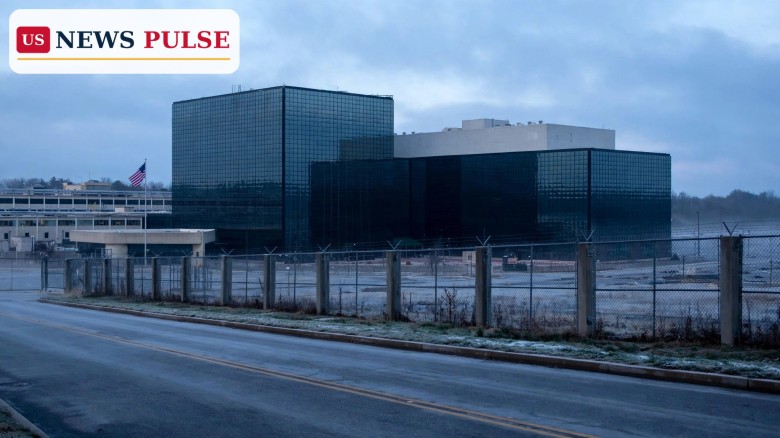
NSANet restored after nearly four days offline: the National Security Agency's highly classified internal network is back online, ending one of the longest disruptions ever to hit the intelligence agency's internal communications. Staff were told to return to work in staggered arrivals to avoid overloading the system as it came back online, with most expected back by midday, as the agency began clearing the backlog of classified work that built up while its people were locked out.
Key Points
- NSANet, the NSA's highly classified internal communications network, was restored on Friday, November 20, 2026, after nearly four days offline.
- An employee voicemail said NSA Washington was "operating under normal conditions with exceptions," with staff returning on staggered arrivals.
- US officials said the outage was not a cyberattack, but appeared connected to patching of PHP software vulnerabilities known as the "PHP2Shell" flaws.
- Director of National Intelligence Jay Clayton said systems failed to restart as expected after the updates were applied.
- Officials stressed that the agency's most sensitive intelligence-gathering systems functioned throughout the outage and that mission-critical capabilities remained operational.
What Happened
CNN reported on Friday, November 20, 2026, citing a source familiar with the matter and an employee voicemail, that the outage of the NSA's highly classified internal communications network had been resolved. The voicemail told staff that "November 20, 2026, NSA Washington is operating under normal conditions with exceptions," and instructed them to return on staggered arrivals so the recovering system would not be overwhelmed all at once. Most employees were expected back by midday Friday.
The restoration brought to an end an outage that had kept large swaths of the agency's workforce locked out of their classified email and internal systems for more than three days. For an agency whose work depends on secure, constant communication, a failure lasting that long is highly unusual, and the length of the disruption had become a story in itself.
Background: Four Days in the Dark
The outage began on Tuesday, November 17, 2026, when the NSANet platform went down. By Wednesday, November 18, it had spread to the agency's Georgia cryptologic centre, which runs signals-intelligence and cybersecurity operations, leaving personnel there unable to use the network to reach deployed colleagues in the region. By Thursday, the third day, staff remained locked out.
NSANet is the internal network that carries the NSA's classified communications, including its classified email system. It connects headquarters at Fort Meade, Maryland, with cryptologic centres and staff in the field, and carries much of the agency's daily business.
The failure was also the fourth major US systems failure reported that week, a run of outages that included disruptions at major banks. The pattern raised immediate questions about the resilience of the computer systems that American institutions depend on, and about whether the failures shared a common cause. Officials pointed not to hostile action, but to the software maintenance meant to keep those systems safe.
NSANet Restored: What Went Wrong
Multiple US officials told reporters the outage was not a cyberattack. Instead, it appeared to be connected to patching work on software vulnerabilities in PHP, the widely used programming language, under the name of the "PHP2Shell" flaws disclosed last month. Director of National Intelligence Jay Clayton said systems failed to restart as expected after the updates were applied.
Beyond that failed restart, officials have given little public detail about what exactly went wrong during the patching, or why recovering the network took the better part of four days. The instruction for staff to return in stages, rather than all at once, suggests the recovery itself was handled carefully, with the agency unwilling to risk overloading systems that had only just been brought back. A routine security update had produced an outage of exceptional length at one of the most security-conscious organisations in the world.
Reactions
The clearest public sign of the recovery was the employee voicemail itself, telling staff that NSA Washington was "operating under normal conditions with exceptions" and setting out the staggered return. CNN's source familiar with the matter confirmed the outage had been resolved.
Several US officials said the failure was not a cyberattack, and Clayton's explanation — that systems failed to restart as expected after the PHP updates — pointed to a maintenance failure rather than an intrusion. Officials also stressed throughout the outage that the agency's most sensitive intelligence-gathering systems functioned throughout, and that mission-critical capabilities remained operational even while ordinary classified communications were down.
Why It Matters
A four-day outage of a classified network matters because of what the network carries. NSANet is not a peripheral system; it is the channel through which the NSA's people communicate, coordinate and do their daily work. Losing it for the better part of a week left large parts of the workforce unable to operate normally, and raised questions about how quickly the agency can recover when a core system fails.
The episode also fits a wider pattern that emerged during the same week. The intelligence chief told Congress that the wave of outages that hit American banks was caused by rushed, AI-driven security patching rather than by hackers. The NSANet failure, traced to patching of the PHP2Shell flaws, is the same story inside the most secretive corner of the US government: a security fix that broke the system it was meant to protect.
What Happens Next
With the network restored, the immediate task is getting the workforce fully back online. Staff are returning in stages, and the agency will be clearing the classified work that piled up during the four days its people were locked out.
Attention will now turn to what the agency learns from the failure. The key questions are how a patching job left a critical network down for nearly four days, and whether lawmakers who oversee the intelligence agencies seek a fuller account of what happened. For now, the network is back, the workforce is returning, and the agency's most sensitive operations continue as before.
Frequently Asked Questions
What is NSANet?
NSANet is the National Security Agency's highly classified internal communications network. It functions as the agency's classified email system and carries its day-to-day internal communications between headquarters, cryptologic centres and staff in the field.
How long was NSANet down?
Nearly four days. The network went down on Tuesday, November 17, 2026, and was restored on Friday, November 20, 2026.
Was the outage a cyberattack?
No. Multiple US officials said it was not a cyberattack. The failure appeared to be connected to patching of PHP software vulnerabilities known as the "PHP2Shell" flaws, and systems failed to restart as expected after the updates.
Did intelligence operations stop during the outage?
Officials said no. They stressed that the agency's most sensitive intelligence-gathering systems functioned throughout and that mission-critical capabilities remained operational.
What happens now?
Staff are returning on staggered arrivals, with most expected back by midday Friday, and the agency is clearing the backlog built up during the outage.
Read more: NSA Net Outage Hits Classified Network in Fourth Major US Systems Failure; NSA Outage Spreads to Georgia Intel Hub as Staff Locked Out on Day Three; AI Patching Caused US Outages, Not Hackers, Intelligence Chief Tells Congress

The US News Pulse newsroom covers breaking news across the United States and the world, working from wire services, official statements and on-the-record sources. Every story is reviewed against our editorial standards before publication. Corrections and tips: info@usnewspulse.com
About our newsroomLeave a Comment