

 | Today's Date:


NSA Outage Spreads to Georgia Intel Hub as Staff Locked Out on Day Three
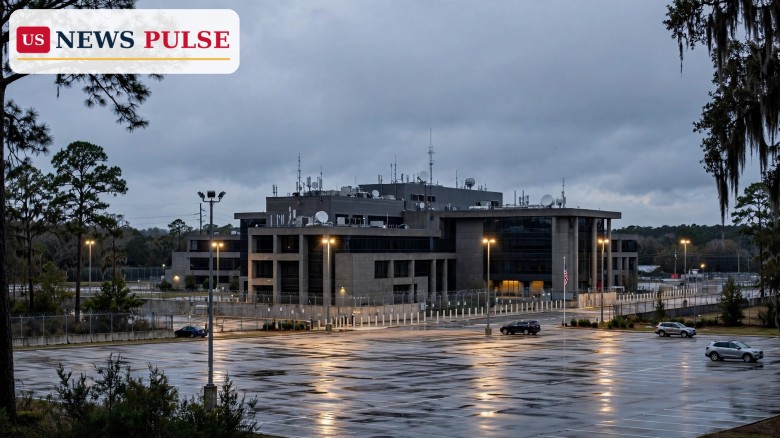
The outage that knocked out the National Security Agency's classified network has now spread to the agency's cryptologic centre in Georgia, leaving staff supporting Middle East operations locked out on a third day as repairs run slower than expected.
CNN reported on Wednesday, November 18, 2026, that the failure had hit the NSA Georgia site, which runs signals-intelligence and cybersecurity operations focused on the Middle East, where the United States is at war with Iran. Four sources described a workforce still unable to do its normal work, even as officials insisted the most sensitive intelligence-gathering systems still worked.
Key Points
- The NSA outage has hit the agency's Georgia cryptologic centre, which supports signals-intelligence work on the Middle East.
- By Wednesday, many NSA employees were still unable to return to work, and non-essential day-shift staff in Maryland were told to stay home.
- A senior administration official acknowledged the patching to restore access was going "slower than expected".
- Director of National Intelligence Jay Clayton has a "very high level of confidence" the outage was not caused by a cyberattack.
- Officials link the failure to patching PHP flaws found last month, with workarounds keeping the most sensitive systems running.
What Happened
The outage began on Tuesday, November 17, when the NSA's classified internal network, NSANet, went down. It was first reported as a Maryland problem, centred on Fort Meade, where more than 20,000 people work. By Wednesday, the disruption had clearly reached far beyond the headquarters campus.
At the Georgia centre, personnel could not use NSANet to reach deployed colleagues in the Middle East, the sources told CNN. Workarounds were put in place, and the agency said its most sensitive systems still worked, but the classified communications analysts rely on were not available. An operational update told non-essential day-shift staff in Maryland not to report on Wednesday, and Fort Meade parking lots were described as "fully abandoned" on Tuesday, with officials at other agencies noting their NSA contacts had been offline all day.
Background
The NSA is the United States' largest intelligence agency, collecting foreign signals intelligence and protecting government communications. Its Georgia site is a major hub tied to operations in the Middle East. The timing could hardly be worse: the United States is at war with Iran, and the Georgia centre's Middle East focus means the outage has struck the part of the agency most involved in supporting the conflict.
Tuesday's first outage was covered in our report on the NSANet outage hitting the classified network. Wednesday's development shows a problem wider and longer-lasting than first thought. It is also the latest in a run of major American systems failures: Microsoft services, air travel and major banks, a sequence that has prompted warnings in Congress that AI cyber threats are outpacing US defences, and has fed public anxiety, including panic buying of emergency supplies.
NSA Outage Georgia: The Middle East Intel Hub Goes Dark
The Georgia centre matters because of what it does. Cryptologic centres run signals intelligence: intercepting, processing and analysing foreign communications and defending American networks. The Georgia site's Middle East focus puts it at the centre of the intelligence effort supporting the war with Iran.
When NSANet went down, Georgia personnel lost their main classified channel to deployed colleagues in the region. Back-up systems kept some work moving, but losing the primary network for three working days is a serious operational blow. Officials draw a line between the network that failed and the gathering systems that did not: collection can continue even when the internal network used to share it is down. But delayed analysis is delayed intelligence, and in wartime that delay has a cost.
Reactions
The most direct reassurance came from the intelligence community's top. Director of National Intelligence Jay Clayton told the House Homeland Security Committee on Wednesday he has a "very high level of confidence" that none of the downed systems resulted from a cyberattack.
Clayton's testimony addressed the fear shadowing the outage: that a foreign adversary had struck the agency that watches for foreign adversaries. Officials link the outage to patching vulnerabilities in PHP, the software that powers about 70 percent of websites. The flaws were found last month, with artificial intelligence tools helping researchers, and the NSA was patching them when the network went down. Other officials were less reassuring: the official who called the patching "slower than expected" gave no date.
Why It Matters
An outage at the NSA matters for three reasons. The first is the war: the Georgia centre supports the Middle East, and the United States is fighting Iran. An agency that cannot move information between its own sites and its deployed people is working with one hand tied, even if its collection systems keep running.
The second is confidence. The NSA is supposed to be the hardest target in American government. A three-day outage caused by its own patching work, not an enemy, raises questions about the resilience of the systems meant to protect the country's secrets. The third is the pattern: the latest in a run of outages across American technology, aviation and banking, which together have shaken public confidence. None of that means the outage is a disaster: the agency says its most sensitive systems work, workarounds are in place, and there is no evidence of a cyberattack. But a spy agency that cannot use its own network for three days, in the middle of a war, is a serious story by any measure.
What Happens Next
The immediate question is when NSANet comes back. The agency has given no public timetable, and "slower than expected" suggests the fix is not imminent. Staff told to stay home on Wednesday will wait for word.
Congress is likely to want answers. Clayton's appearance before the House Homeland Security Committee was a start, but lawmakers will want a fuller account of what failed, why the patching went wrong, and how long the most sensitive work was degraded. A patching operation that takes down the classified network for days will prompt a review of maintenance, back-ups and redundancy. The NSA rarely discusses its own systems in public, but this failure is public, and the pressure to explain it will not fade quickly.
Frequently Asked Questions
What is the NSA outage?
The NSA's classified network, NSANet, went down on Tuesday, November 17, 2026, and was still not restored on Wednesday, affecting Fort Meade in Maryland and the cryptologic centre in Georgia.
What does the Georgia centre do?
The Georgia cryptologic centre runs signals-intelligence and cybersecurity operations on the Middle East, where the United States is at war with Iran. Its staff could not use NSANet to reach deployed colleagues in the region.
Was the outage caused by a cyberattack?
Officials say no. Director of National Intelligence Jay Clayton told the House Homeland Security Committee he has a "very high level of confidence" none of the downed systems resulted from a cyberattack; the failure is linked to patching PHP flaws found last month.
When will the network be restored?
There is no public timetable. A senior official said the patching was going "slower than expected", and the agency has not said when full access will return.

The US News Pulse newsroom covers breaking news across the United States and the world, working from wire services, official statements and on-the-record sources. Every story is reviewed against our editorial standards before publication. Corrections and tips: info@usnewspulse.com
About our newsroomLeave a Comment