

 | Today's Date:


YouTube Nears $3 Billion Settlement With US School Districts Over Addiction
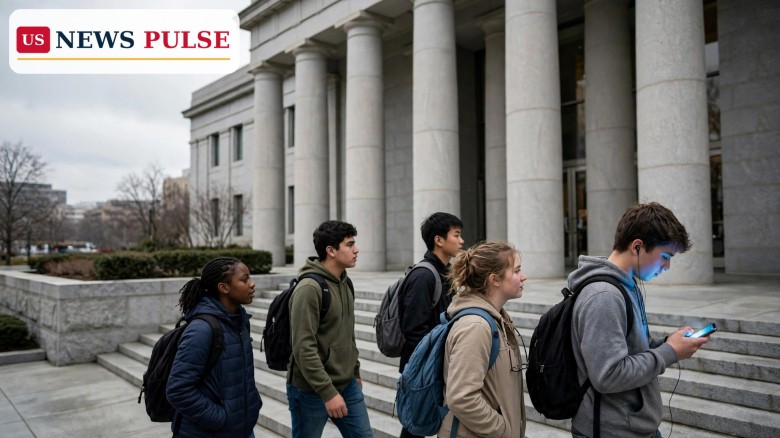
YouTube has reached an agreement in principle to pay about $3 billion to thousands of school districts across the United States that accused the video platform of designing an addictive product that harmed students' mental health. Bloomberg News reported the deal on Friday, November 20, 2026, in what would be the largest settlement yet in the wave of school litigation against social media companies. The agreement also includes product safeguards for teenagers, and it still needs a majority of the suing districts to sign on, a process likely to take a few months.
Key Points
- YouTube has agreed in principle to pay about $3 billion to thousands of US school districts, Bloomberg reported on Friday, November 20, 2026.
- The deal includes product safeguards for teenagers and is contingent on a majority of districts signing on, with finalisation likely to take a few months.
- Any settlement must be approved by US District Judge Yvonne Gonzalez Rogers in Oakland, California, who oversees the litigation.
- The districts also sued Meta, Snap and TikTok, alleging features such as recommendation algorithms, autoplay and infinite scroll were designed to hook young users.
- The next federal school trial, involving Tucson, Arizona, is set for February, with Meta, TikTok and Snap still defendants.
What Happened
The in-principle agreement was reported by Bloomberg on Friday, November 20, 2026, citing people familiar with the matter. An agreement in principle is not a final deal: the terms still have to be put into a formal settlement, and a majority of the suing districts must agree to join it. That sign-on process, and the court approval that follows, is expected to take a few months, so no money will move to districts in the near term. How the money would be divided has not been disclosed. YouTube's parent company, Alphabet, did not immediately respond to a request for comment from Reuters.
Background: The School Districts' Case Against Social Media
The districts' lawsuits are part of a vast consolidated litigation in federal court in Oakland, California, overseen by Judge Yvonne Gonzalez Rogers. About 2,000 school districts are suing the major platforms, alongside roughly 9,800 personal-injury suits from individuals and families. The districts argue the companies designed their products to keep young users watching as long as possible, leaving schools to deal with the fallout. The complaints focus on recommendation algorithms, autoplay and infinite scroll, which the districts say were built to hook young users and contributed to depression, anxiety and eating disorders. The companies deny the claims.
YouTube is different from the other platforms in the case: it is broadly used by schools for classroom lessons, which complicates the districts' case. A September Thomas B. Fordham Institute survey of more than 2,000 high-school students found over 30 percent used YouTube for entertainment rather than teacher-directed activities during the school day. The litigation has already produced major settlements. In August, Meta agreed to pay up to $18 billion over the next decade and strictly limit teenagers' use of Facebook and Instagram, settling claims by nearly all US states. In October, Meta paid a combined $7 million to two teenage girls, TikTok paid $2.5 million each to four teenagers, and YouTube paid about $2 million to $2.25 million each to two teenagers, in about a dozen confidential settlements.
YouTube School District Settlement: What the $3 Billion Would Cover
The reported $3 billion would compensate districts for the costs they say they incurred coping with student addiction: staff time enforcing phone restrictions, counsellors and mental-health programmes, and classroom disruption. The exact allocation has not been disclosed. The product safeguards are the other half of the deal. The report did not detail them, but the litigation has centred on autoplay that queues the next video without a pause, recommendation systems that steer children toward ever more engaging content, and infinite scroll that removes any natural stopping point. Any agreed changes would set a precedent for the rest of the industry. The settlement also needs the approval of Judge Gonzalez Rogers, who must find it fair and reasonable.
Reactions and Quotes
Alphabet did not immediately respond to Reuters' request for comment. The companies named in the litigation have denied the claims throughout, saying their products do not cause the harms alleged and that they have added safety features for young users. Neither side has confirmed the $3 billion figure on the record. The next public step will be a filing with Judge Gonzalez Rogers once the formal settlement is drafted. Meta, TikTok and Snap are still defendants and face the next federal school trial, involving Tucson, Arizona, in February. A completed YouTube settlement would raise the pressure on them to settle.
Why It Matters
If completed, the deal would be the biggest resolution yet of the school districts' claims and a turning point in the five-year legal campaign against social media addiction. It would deliver billions of dollars to public schools at a time when many districts are cutting budgets, and force product changes at the world's largest video platform. It would also validate the districts' legal theory: that platforms can be held responsible for designing features that encourage compulsive use. It follows Meta's August agreement to pay up to $18 billion to settle the states' claims.
What Happens Next
The immediate next step is the sign-on process: districts must decide over the coming months whether to accept the terms. If a majority joins, the formal settlement will go to Judge Gonzalez Rogers for approval in Oakland, and the court will set a hearing to consider objections. If the sign-on falls short, the parties may have to renegotiate. The litigation continues regardless: the Tucson trial is set for February, ten more test trials are set for 2027.
Frequently Asked Questions
How much would YouTube pay in the school district settlement?
About $3 billion, according to Bloomberg, which reported the agreement in principle on Friday, November 20, 2026. The deal is not yet final and depends on a majority of districts signing on.
Does YouTube admit wrongdoing?
No. The companies in the litigation deny the claims, and settlements of this kind typically include no admission of liability. Alphabet did not immediately respond to a request for comment.
When will the settlement be final?
Likely a few months, covering the district sign-on period and approval by Judge Yvonne Gonzalez Rogers in Oakland.
What about Meta, TikTok and Snap?
They remain defendants in the school cases. The next federal school trial, involving Tucson, Arizona, is set for February, and Meta agreed in August to pay up to $18 billion over a decade to settle separate claims by nearly all US states.
Read more on US News Pulse: Meta and TikTok Paid Teens Millions in Secret Settlements, Bloomberg Reveals; NetChoice Sues New York Over Social Media Warning Labels, Citing Free Speech; Meta Rolls Out AI Age Checks on Instagram to Catch Teens Using Adult Birthdays.

The US News Pulse newsroom covers breaking news across the United States and the world, working from wire services, official statements and on-the-record sources. Every story is reviewed against our editorial standards before publication. Corrections and tips: info@usnewspulse.com
About our newsroomLeave a Comment