

 | Today's Date:

Esper Warns Iran War Could Last Until 2029 as Blockade Squeezes Tehran

Former Defense Secretary Mark Esper has warned that the Iran war could drag on for years, saying it "is definitely gonna go into 2027" and could roll into 2028 and even 2029. His assessment, delivered on NewsNation on Friday, November 20, 2026, comes as the war enters its ninth month — far longer than the few weeks President Donald Trump predicted when American strikes opened the conflict on February 28, 2026. Esper backs squeezing Iran's economy, but warned it means a long standoff with no quick end.
Key Points
- Former Defense Secretary Mark Esper said on NewsNation on Friday, November 20, 2026, that the Iran war "is definitely gonna go into 2027" and could reach 2028 or 2029.
- Esper backs Trump's economic blockade of Iran, calling it "a very patient, disciplined strategy" to force Tehran to negotiate.
- The war began with US strikes on Iran on February 28, 2026, alongside Israel, and is now in its ninth month, after Trump first said it would last only weeks.
- Esper cited high inflation and the rial's sharp fall as proof the blockade is working, though slowly.
- Trump said this week Iran has not offered an acceptable deal to end the war, leaving diplomacy stalled.
What Happened
Esper spoke on NewsNation, the broadcast partner of The Hill, on Friday, November 20, 2026, and was asked how long the war with Iran might last. "It's definitely gonna go into 2027," he said, openly questioning whether it could roll into 2028 and even 2029. "It's just gonna take a long time."
The warning matters because Esper is not a critic of the strategy. He served as defense secretary in Trump's first term and supports the approach. His point was not that the plan is wrong, but that Americans should not expect a fast finish: the war has already outlasted the president's expectation of weeks, and Esper's timeline suggests that gap could stretch into years. He framed it as a slow squeeze: "You slowly choke out the Iranians so that they eventually come to the negotiating table in a credible way."
Background: Nine Months of War
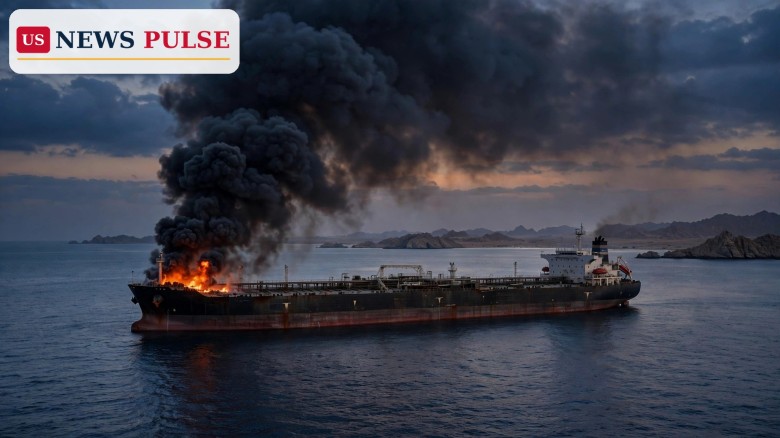
The war began on February 28, 2026, when the United States struck Iran with Israel. Trump first suggested it would last only weeks. Instead, it has settled into a long campaign of strikes, naval pressure in the Strait of Hormuz and a blockade aimed at cutting off funds for Iran's military and nuclear programme.
The blockade is the centrepiece: tighter sanctions and naval enforcement around Iranian oil exports and shipping, betting economic pain will force Tehran to accept limits on its nuclear programme. The pressure is real: inflation has surged and the rial has dropped sharply. Yet Tehran has held its line, and this week Trump said Iran has not offered an acceptable deal. That deadlock is why Esper's timeline is sobering: if neither side moves, the war simply continues.
Iran War Could Stretch to 2029
Esper's forecast rests on a simple reading of the battlefield and the negotiating table: Tehran has not conceded, Washington has not eased the pressure, and no deal satisfies both sides. In that setting, he argued, the conflict grinds on by default.
The timeline also reflects how the war has changed since February. A sharp opening campaign has become a war of endurance: sanctions and shipping interdiction on one side, missile and drone attacks and defiance on the other. Each side bets the other tires first. Esper argues Iran's economy will eventually crack — but his own estimate puts that moment years away. A war running into 2027, 2028 or 2029 would also span elections and budgets.
Reactions and Quotes
Esper put it plainly. "It's just gonna take a long time," he said, after predicting the war would run "definitely" into 2027 and could reach 2028 and 2029. The bluntness stood out because it came from a former Pentagon chief who supports the policy.
Esper approved of the strategy itself, calling the blockade "a very patient, disciplined strategy" and explained the logic in one sentence: "You slowly choke out the Iranians so that they eventually come to the negotiating table in a credible way." Trump has not softened his position: he said this week Iran has offered no acceptable deal, and repeated that Iran will never get a nuclear weapon. Vice President JD Vance said US-Iran talks are making progress, with no deadline for a deal, but no breakthrough has been announced. The military footprint reflects that: the USS George H.W. Bush deployment was extended to 12 months as the Iran war drags on, while the USS George Washington left the Middle East, cutting the US carrier force off Iran to two.
Why It Matters
A war lasting until 2029 would reshape American foreign policy: a long military commitment in the Middle East, oil markets exposed to disruption in the Strait of Hormuz, and every budget debate in Washington forced to account for a conflict with no fixed end date.
It would also test the blockade itself. Economic pressure works slowly, and its effects fall hardest on ordinary people before they reach the leadership. If Iran's economy adapts, the squeeze could take even longer. The rial's collapse and soaring inflation are real, but they are not surrender. For the region, a multi-year war means continued instability: shipping risks in the Gulf, escalation threats, and pressure on American allies.
What Happens Next
The question is whether diplomacy can break the deadlock before Esper's timeline becomes reality. Talks have continued, but Trump says Iran has not offered an acceptable deal, and there is no public sign of a breakthrough. If that does not change, the blockade and strikes continue, and the war grinds into its tenth month and beyond.
Watch three things: any movement in the negotiations, such as a new proposal from Tehran; Iran's economy, where worse inflation and a weaker rial would raise pressure on its leadership; and how long US carrier groups stay in the region. Esper's warning does not mean the war will certainly last until 2029 — only that, on the current course, nobody should plan on it ending soon.
Frequently Asked Questions
What did Mark Esper say about the Iran war?
On NewsNation on November 20, 2026, Esper said the Iran war "is definitely gonna go into 2027" and could roll into 2028 or 2029: "It's just gonna take a long time."
When did the Iran war begin?
It began on February 28, 2026, with US strikes on Iran alongside Israel, and is now in its ninth month, far longer than the weeks Trump first predicted.
What is the US strategy against Iran?
An economic blockade — sanctions and naval enforcement around Iranian oil exports and shipping — to squeeze Tehran until it agrees to nuclear concessions. Esper called it "a very patient, disciplined strategy."
Is the blockade working?
Esper cited high inflation and the rial's fall as proof the pressure is biting, but Tehran has not offered a deal Washington accepts, so the strategy has not yet worked.
Has Iran offered a deal to end the war?
Trump said this week Iran has not offered an acceptable deal, and no breakthrough has been announced despite continuing talks.

The US News Pulse newsroom covers breaking news across the United States and the world, working from wire services, official statements and on-the-record sources. Every story is reviewed against our editorial standards before publication. Corrections and tips: info@usnewspulse.com
About our newsroomLeave a Comment