


 | Today's Date:





Houthis Take Control of Bab el-Mandeb Strait as Yemeni Forces Withdraw
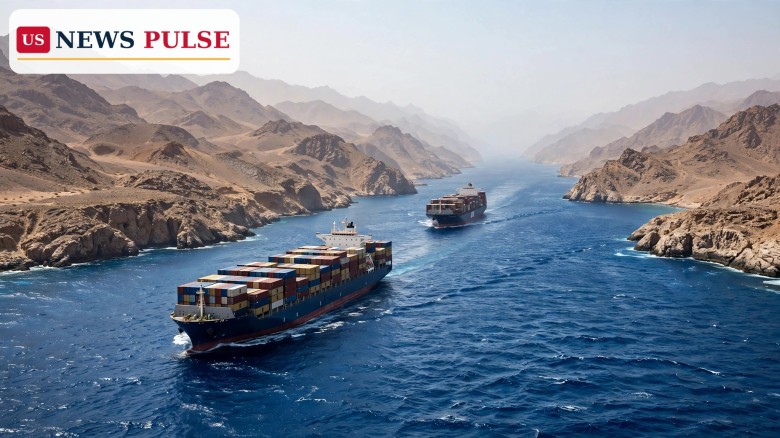
Yemeni government forces said on Sunday, November 15, 2026, that they were withdrawing from the area overlooking the Bab el-Mandeb Strait, handing the Iran-aligned Houthis control of one of the world's key shipping chokepoints and giving Tehran's allies a second pressure point on world trade. The retreat from Dhubab Airport and the Bab el-Mandeb area west of Taiz Governorate comes as the Houthis press south against the last government-held areas of Yemen's Red Sea coast.
The Southern Armed Forces said their troops were redeploying toward Aden, the seat of the internationally recognised government, to secure the capital and strengthen front lines. The move ends a short-lived government campaign to retake the coast and leaves the Houthis overlooking the waterway carrying much of the cargo moving between Asia and Europe through Egypt's Suez Canal.
Key Points
- Yemeni government forces announced on Sunday they are withdrawing from Dhubab Airport and the Bab el-Mandeb area, leaving the Houthis in control.
- The Southern Armed Forces said the redeployment prioritises securing Aden and strengthening front lines.
- Bab el-Mandeb connects the Red Sea to the Gulf of Aden and is one of the world's busiest seaborne routes, especially Asia-Europe cargo via the Suez Canal.
- The retreat gives the Houthis leverage over a second global shipping chokepoint while Iran disrupts the Strait of Hormuz.
- The Houthis pushed south in September to seize Yemen's Red Sea coast; government forces recaptured Dhubab and Mokha last month.
What Happened
The announcement came on Sunday from the forces fighting for Yemen's internationally recognised, Saudi-backed government. The Southern Armed Forces said they were redeploying from Dhubab Airport and the Bab el-Mandeb area, west of Taiz Governorate, moving their troops toward Aden, where the government is based.
The statement framed the move as defensive. The southern forces said the Houthis were increasing pressure on the southern areas still under government control, and holding the exposed coastal positions around the strait had become harder to sustain. The withdrawal reverses the gains of a government campaign launched in October that had retaken Dhubab and the port city of Mokha last month.
Background and Context
Yemen has been mired in civil war since 2014, when the Houthis pushed the government south. The group now controls much of northern Yemen, including the capital, Sanaa, and the country's most populous areas. The internationally recognised government, backed by Saudi Arabia, holds Aden and parts of the south, but its grip on the Red Sea coast has swung back and forth all year.
The latest escalation broke a 2022 United Nations-brokered truce and became another front in the wider US-Israeli war on Iran, now in its ninth month since February 28, 2026. The Houthis, aligned with Iran, have struck Saudi ports, airports and Aramco facilities, including the Red Sea oil export hub of Yanbu, disrupting flights and oil supplies. Saudi Arabia has answered with strikes on Houthi targets in Yemen.
Bab el-Mandeb: Why This Strait Matters for Global Shipping
Bab el-Mandeb, the narrow passage between Yemen and the Horn of Africa, connects the Red Sea to the Gulf of Aden. It is one of the world's busiest routes for global seaborne commodity and goods shipments, particularly Asia-Europe cargo via Egypt's Suez Canal. Almost every container ship travelling between the two continents passes through it.
That is why control of the strait matters far beyond Yemen. The Houthis now hold the ground overlooking a waterway they have already shown they are willing to target. The dual squeeze with the Strait of Hormuz, where Iran is disrupting traffic on the other side of the Arabian Peninsula, would further isolate Gulf oil producers from their main routes.
Reactions and Quotes
The Southern Armed Forces announced the move in a statement to Reuters. "The Southern Armed Forces announce the implementation of a redeployment operation for its forces from Dhubab Airport and the Bab el-Mandeb area, west of Taiz Governorate," the statement said. It added: "This step is taken based on the priority of securing the capital, Aden, and the neighbouring governorates, as well as strengthening the front lines and addressing existing threats."
The language points to a government choosing to defend its core rather than hold exposed ground. Aden is the seat of the internationally recognised government, and protecting the capital now comes first. No immediate public response was reported from the Houthis themselves.
Why It Matters
The withdrawal matters because it hands a hostile armed group control of a chokepoint the world economy cannot easily route around. The Houthis have already disrupted shipping in the Red Sea, and holding the ground above Bab el-Mandeb gives them a stronger hand to threaten or block passing traffic. Related coverage: Four tankers hit by explosions in the Strait of Hormuz.
It also matters because it arrives alongside a second crisis at the other end of the trade route. Three oil tankers were hit by mines and caught fire in the Strait of Hormuz on Saturday, November 14, and Iran's Revolutionary Guards claimed on Sunday that six drones struck a US radar base in Bahrain. Related coverage: Iran's Quds Force chief warns the US of coordinated attacks from Hormuz to Bab el-Mandeb.
What Happens Next
The immediate question is what the Houthis do with their new position. The group has not said whether it will use its control of the strait to target shipping directly, but its record in the Red Sea gives shippers little reason for comfort. Any attack on a vessel passing Bab el-Mandeb would raise insurance costs and could push more traffic around Africa. Also read: US intelligence: Iran still has up to 2,500 missiles despite Trump claims.
The second question is whether the government can hold Aden and the south. The redeployment is meant to strengthen the front lines, but the Houthis have shown they can keep advancing, and fighting around Taiz is already displacing tens of thousands. It is also a diplomatic lever: a Houthi grip on Bab el-Mandeb strengthens Iran's hand in any negotiation with Washington.
Frequently Asked Questions
What is the Bab el-Mandeb Strait?
Bab el-Mandeb is the narrow strait between Yemen and the Horn of Africa connecting the Red Sea to the Gulf of Aden. It is one of the world's busiest shipping routes, carrying Asia-Europe cargo via Egypt's Suez Canal.
Why did Yemeni forces withdraw?
The Southern Armed Forces said they were redeploying from Dhubab Airport and the Bab el-Mandeb area to secure Aden, the seat of government, and strengthen front lines as Houthi pressure on the south grew.
Who are the Houthis?
The Houthis are an Iran-aligned armed group controlling much of northern Yemen, including the capital, Sanaa. They pushed the internationally recognised government south during Yemen's civil war, which began in 2014.
How does this affect global shipping?
The Houthis now control the ground overlooking a chokepoint used by Asia-Europe cargo. Combined with Iranian disruption in the Strait of Hormuz, it creates a dual squeeze on Gulf shipping routes.
What is happening in the Strait of Hormuz?
Three oil tankers were hit by mines and caught fire in the Strait of Hormuz on Saturday, November 14, and Iran's Revolutionary Guards claimed six drones struck a US radar base in Bahrain the next day.
Leave a Comment