

 | Today's Date:


Mamdani Releases 84,000 More 9/11 Records as Portal Tops 440,000 Pages
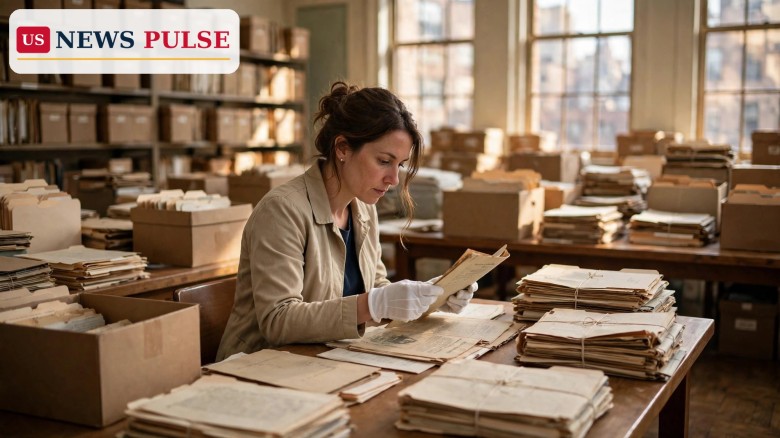
New York City has released 84,000 more records on its response to the Sept. 11, 2001 attacks, pushing the public archive past 440,000 pages as the portal passes 11 million visits, Mayor Zohran Mamdani announced on Sunday.
The release is the third batch published through the city's Sept. 11 records portal. It covers the air quality, debris and environmental hazards that followed the collapse of the World Trade Center, and the city's response in the days and weeks after the attacks, including the frequently referenced Harding Memo and the "68 Boxes" of records not located until 2025.
Key Points
- New York City released 84,000 additional 9/11 records on Sunday, November 22, 2026, the third batch under a court settlement with 9/11 Health Watch.
- The public total now exceeds 440,000 pages at nyc.gov/sept11docs, which has passed 11 million unique visits.
- The new files cover air quality, debris, environmental hazards and the city's response after the World Trade Center collapse, including the Harding Memo and the "68 Boxes" of records not located until 2025.
- Benjamin Chevat, executive director of 9/11 Health Watch, said fewer than 5 percent of the documents have been released so far; more batches follow in the coming months.
- Mamdani was the first mayor to agree to release the records. The portal launched in September with about 170,000 pages, and the city's fiscal year 2027 budget includes $34 million to create and maintain it.
What Happened
Mayor Zohran Mamdani and the New York City Law Department announced the release on Sunday, November 22, 2026. The 84,000 new records join the two earlier batches, bringing the public archive past 440,000 pages, and the portal has now been visited more than 11 million times.
The new batch focuses on what New Yorkers breathed and walked through after the towers fell: air quality readings, debris, environmental hazards and the city's response as Lower Manhattan was covered in dust. It also includes the Harding Memo and the "68 Boxes", records officials did not locate until 2025.
The release is part of a court settlement with 9/11 Health Watch, an advocacy group created by the New York State AFL-CIO. Under it, the city is releasing the records in stages, with more due in the coming months.
Background: A Portal 25 Years in the Making
For a quarter of a century, families, first responders and researchers have asked what the city knew about the air at Ground Zero, and when. The dust that covered Lower Manhattan carried asbestos, lead, glass and other hazards, and thousands of people who worked or lived near the site later fell ill. These records are the paper trail of that response.
Mamdani was the first mayor to agree to open the archive. The portal launched in September 2026 with about 170,000 pages and has grown with each batch. The fiscal year 2027 budget sets aside $34 million to create and maintain it, a sign the work of finding, reviewing and publishing the records is far from over.
The health toll behind the archive keeps growing. Death claims tied to illnesses from the Sept. 11 attacks passed 10,000 for the first time this autumn, according to the September 11th Victim Compensation Fund, with 10,029 deceased claims filed. September data counted 9,677 first responders and survivors dead of 9/11-related illnesses, including 5,892 from cancers caused by toxic Ground Zero dust, against 2,753 killed in the attacks themselves.
Mamdani 9/11 Records: What the New Files Show
The third batch is the most focused yet on the environmental questions at the heart of the archive. The air quality and debris records document what was measured, what was found and what the city did about it in the weeks after the collapse, as residents returned to homes and offices coated in dust.
The Harding Memo is one of the documents advocates have sought for years, and its inclusion signals the city is now releasing material it once held back. The "68 Boxes" were not located until 2025, a reminder the archive is still being assembled more than two decades after the attacks.
Together, the new files let researchers test, document by document, how the city assessed the risks at Ground Zero and how its guidance changed over time.
Reactions and Quotes
Benjamin Chevat, executive director of 9/11 Health Watch, said fewer than 5 percent of the documents have been released so far. His group, created by the New York State AFL-CIO, brought the case behind the settlement and has pressed the city for years to open the files.
The city framed the release as part of a continuing commitment, with more records to follow in the coming months. For survivors and families, each batch is a chance to find answers in documents they could not see before; for historians, it is raw material from the city's most consequential chapter.
Why It Matters
The records matter because the questions they answer are still live. Thousands of responders and survivors are sick, and the Victim Compensation Fund still pays claims tied to illnesses from the dust. What the city knew about air quality, and when, shapes the historical record and the cases of people still seeking help.
The release also matters as a test of government transparency. For decades, much of this material was not public, and a portal that has already drawn 11 million visits shows the public wants to see it. Mamdani has moved quickly on other long-running city promises, including a plan to close Rikers Island by 2032, and the records portal is now one of the most visible of them.
Finally, the scale matters: fewer than 5 percent released means the archive the city holds is vastly larger than what the public has seen. The 440,000 pages now online are only the beginning.
What Happens Next
More records follow in the coming months under the settlement, and the portal keeps growing. The $34 million in the fiscal year 2027 budget funds the work of locating, reviewing and publishing what remains.
Researchers, journalists and families will now work through the 84,000 new pages, and the Harding Memo and the "68 Boxes" are likely to draw the closest attention. What they find will shape the next release — and the next chapter of the story.
Frequently Asked Questions
How many 9/11 records has New York City released?
More than 440,000 pages are now public, including 84,000 in the third batch, released Sunday, November 22, 2026.
Where can I read the 9/11 records?
At the city's portal, nyc.gov/sept11docs, which has passed 11 million unique visits since it launched in September 2026.
What do the new records cover?
Air quality, debris, environmental hazards and the city's response after the World Trade Center collapse, including the Harding Memo and the "68 Boxes", not located until 2025.
How much of the archive is still unreleased?
Fewer than 5 percent of the documents have been released so far, according to 9/11 Health Watch, with more batches due in the coming months.
Why are the records being released now?
Under a court settlement with 9/11 Health Watch. Mayor Zohran Mamdani was the first mayor to agree to release them, and the fiscal year 2027 budget includes $34 million.

The US News Pulse newsroom covers breaking news across the United States and the world, working from wire services, official statements and on-the-record sources. Every story is reviewed against our editorial standards before publication. Corrections and tips: info@usnewspulse.com
About our newsroomLeave a Comment