

 | Today's Date:


OPEC Output Freeze: Seven Members Hold Oil Steady for First Quarter of 2027
Seven members of OPEC announced on Sunday, November 29, 2026, that they will keep crude oil production unchanged during the first three months of 2027, freezing output as the US-Iran war disrupts Gulf exports and the strait stays effectively closed. Saudi Arabia, Russia, Iraq, Kuwait, Kazakhstan, Algeria and Oman said in an official note after a telematic meeting that they will pump "without variations" in the first quarter, replacing a plan to set new 2027 targets from a first-ever capacity review. Brent crude settled on Friday at $95.44 a barrel, up 3.1 percent for the week.
Key Points
- Seven OPEC members — Saudi Arabia, Russia, Iraq, Kuwait, Kazakhstan, Algeria and Oman — will hold crude output unchanged in the first quarter of 2027.
- The decision came in an official note after a telematic meeting on Sunday, November 29, to review market conditions and outlook.
- It replaces a plan for new 2027 targets from a first-ever capacity review, which stalled over disputed figures.
- The statement warned of the "critical importance of safeguarding international maritime routes" and expressed concern about attacks on energy infrastructure.
- Brent settled on Friday at $95.44 a barrel, up 3.1 percent for the week, and all OPEC+ quotas expire at the end of 2026.
What Happened
The seven producers announced the freeze after a virtual meeting on Sunday, saying in an official note they would keep crude pumping unchanged, without variations, in the first three months of 2027. The meeting was held "to review the conditions and outlook for the global market", and the note was the group's first formal decision on 2027 output.
The seven are the group that agreed voluntary supply adjustments in April and November 2023. Their decision locks in those levels for another quarter, as the capacity review stalled and the war in the Gulf deepened. A separate full OPEC+ meeting was also taking place on Sunday.
Background
The freeze replaces a plan meant to give OPEC+ a cleaner basis for 2027 targets. For the first time, the group had the consultancy DeGolyer and MacNaughton review each member's maximum sustainable capacity, to replace years of argument over self-reported figures with verified numbers.
The review stalled: Iraq rejected its assessed capacity of about 4.9 million barrels a day, saying it can produce 6 million, and Kazakhstan also challenged its numbers. With two members disputing the findings, the group could not agree on new targets, so the seven rolled over existing levels. The wider group deferred it to June 2027.
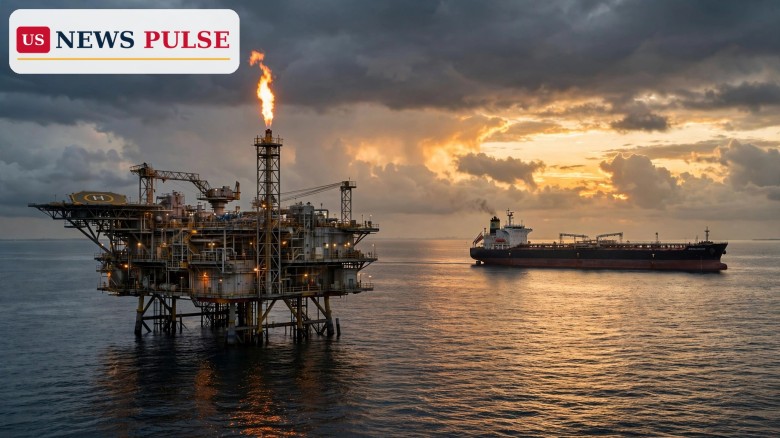
The decision lands in the middle of the US-Iran war, which began in late February 2026 and has effectively closed the Strait of Hormuz, through which around a fifth of the world's gas and oil usually flows. At least five tankers were attacked there over the same weekend. Prices already reflect the tension: Brent settled Friday at $95.44 a barrel, up 3.1 percent for the week, after rising on reports of attacks in the Gulf. Washington had earlier pressed Venezuela and Iraq to leave OPEC, an effort in which Saudi Crown Prince Mohammed bin Salman intervened, as covered in our report on the US push for Venezuela and Iraq to leave OPEC.
OPEC Output Freeze Holds Oil Supply Steady Into 2027
The freeze means no extra barrels from the seven producers in the first quarter, while the market is already tight. With the strait effectively closed and tankers under attack, traders had feared a rise to calm prices or a further cut. Instead, the seven chose the middle course: hold steady and wait.
For consumers, it removes one source of uncertainty heading into the winter, when demand for heating oil rises. For the producers, it protects revenue: Brent near $95 a barrel is far above the levels that forced the 2023 cuts, and holding output keeps prices supported.
The statement pointed directly at the war, stressing the "critical importance of safeguarding international maritime routes" and "concern" about attacks on energy infrastructure, noting restoring processing capacity "is costly and takes a long time". The words were an indirect reference to the Hormuz blockade and the weekend tanker attacks.
Reactions
The statement was the producers' message: stability first, no new targets while the capacity dispute stands, and a public warning about shipping lanes. The group announced no change to the 2023 voluntary cuts and set no date for resolving the capacity review.
Markets give the first verdict when trading opens on Monday, with Brent at $95.44 after a 3.1 percent weekly gain. Traders will watch whether the freeze, with the strait still closed, pushes prices higher, or whether it is already reflected in the price. The wider OPEC+ meeting under way on Sunday will show whether the rest of the group follows the seven. President Donald Trump's rejection of Iran's seven-day plan to reopen the strait has already removed the most concrete path back to normal shipping.
Why It Matters
Oil connects the war in the Gulf to prices at petrol stations and heating bills around the world. A decision by seven of the world's largest producers to freeze output for three months sets the supply picture for the start of 2027, while the strait carrying a fifth of global oil and gas stays closed.
The group's warning about maritime routes and energy infrastructure admits production decisions are now driven as much by security as by demand, and restoring damaged capacity would be slow and expensive. For the United States, pressing Iran with a blockade and sanctions, the decision keeps prices high enough to strain its own consumers as well as its adversary's revenue.
What Happens Next
The first test comes on Monday, when oil markets reopen and traders price in the freeze and the weekend tanker attacks. The second comes from the full OPEC+ meeting, whose outcome will show whether the wider group adopts the same rollover or sets new quotas. Beyond that, the capacity review remains unresolved, with Iraq and Kazakhstan still disputing their figures, and the group has deferred the question to June 2027. Until then, the first-quarter freeze is the producers' answer: hold output steady, protect the shipping lanes, and wait for the war to decide what comes next.
Frequently Asked Questions
Which countries agreed to freeze oil output?
Saudi Arabia, Russia, Iraq, Kuwait, Kazakhstan, Algeria and Oman — the seven members that agreed voluntary cuts in April and November 2023.
How long will the output freeze last?
The freeze covers January to March 2027, with output held unchanged and without variations.
Why did OPEC not set new production targets for 2027?
A first-ever capacity review by DeGolyer and MacNaughton stalled after Iraq rejected its assessed capacity of about 4.9 million barrels a day, claiming 6 million; Kazakhstan also challenged its figures.
What does the freeze mean for oil prices?
It means no extra supply from the seven producers in the first quarter, supporting prices while the strait remains effectively closed. Brent settled on Friday at $95.44 a barrel, up 3.1 percent for the week.
What happens when OPEC+ quotas expire?
All current OPEC+ quotas expire at the end of 2026. The full OPEC+ meeting under way on Sunday, and a June 2027 ministerial meeting, will decide what replaces them.

The US News Pulse newsroom covers breaking news across the United States and the world, working from wire services, official statements and on-the-record sources. Every story is reviewed against our editorial standards before publication. Corrections and tips: info@usnewspulse.com
About our newsroomLeave a Comment