

 | Today's Date:




Trump Rejects Iran Hormuz Deal to Reopen Strait in Seven Days, Says US Has Total Control
President Donald Trump has rejected Iran's offer to reopen the Strait of Hormuz to commercial shipping within seven days, saying the United States already has "total control" of the world's most important oil waterway and that Tehran's proposal is "not acceptable". "I'm rejecting their deal," Trump said on Saturday, November 28, 2026, in the nine-month war.
Key Points
- Trump said on Saturday, November 28, that he is rejecting Iran's plan to reopen the Strait of Hormuz within seven days.
- Trump said the United States already has "total control" of the strait, with "massive amounts of oil" passing through it.
- Iran's foreign minister said on Friday the strait could reopen in a week if the conditions in a June memorandum were met.
- The Wall Street Journal reported Trump told his staff he sees a renewed bombing campaign as probable.
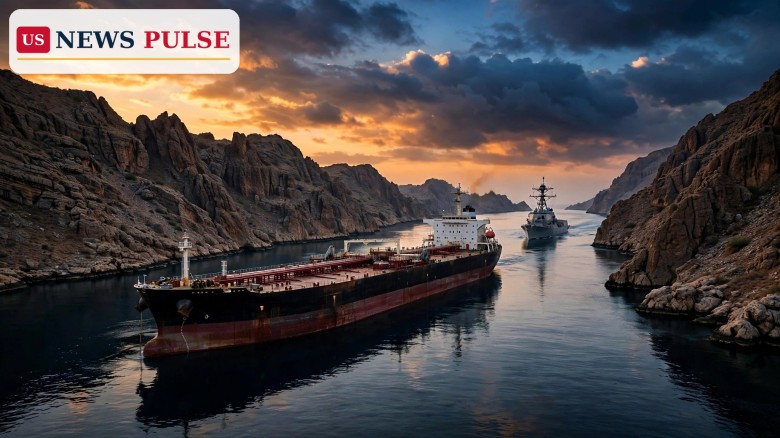
- Around a fifth of the world's gas and oil usually flows through the strait, closed since February 2026.
What Happened
The offer came from Iran's Foreign Minister Abbas Araghchi, who said on Friday, November 28, at the United Nations that the strait could reopen within seven days if the conditions in a June memorandum of understanding were met. That 14-point agreement said Iran would never have a nuclear weapon, both sides would end military operations, and the American blockade and sanctions would end.
Trump's answer came a day later. "I'm rejecting their deal," he said, calling the proposal "not acceptable" and insisting the United States already controls the strait, with "massive amounts of oil" passing through it. Mediators had carried the plan between Washington and Tehran for weeks, and the rejection landed as at least five oil tankers were attacked in the strait over the same weekend.
Araghchi responded on Telegram, acknowledging the rejection and saying Trump had made "many contradictory" statements. He said Tehran awaits the mediators' "definitive views" before deciding its next step, leaving the door open to a revised proposal, but offering no sign Iran would accept the American terms.
Background
The seven-day plan has a long history. Iran first advanced a version in September, and Qatari mediators carried it to Washington in late October. Under that version, the first five days would bring American steps, including an end to hostilities and the lifting of the naval blockade, with Iran reopening the strait on day six and wider talks resuming on day seven.
The June memorandum was meant to settle the war that began in late February 2026. The 14-point agreement fell apart after both sides resumed strikes, and Washington reimposed its naval blockade of Iranian ports in mid-July to cut off Tehran's oil revenue. Since then the strait has been effectively closed, with transits down to about 18 a day.
The diplomatic track never fully stopped. Qatari mediators spent more than 12 hours in Tehran in late October, and talks moved between Doha and New York. But the two sides have been deadlocked over sequencing: Washington has demanded a nuclear guarantee first, while Tehran has insisted the blockade and sanctions be lifted first.
Trump Rejects Iran Hormuz Deal as Oil Markets Watch the Strait
The rejection matters most for what it signals about the war's next phase. The Wall Street Journal reported on Friday that Trump was sceptical Iran would meet his demands and had told his staff he saw a renewed bombing campaign as probable. That frames the decision as a step toward escalation, not a pause in diplomacy.
Oil markets will feel the decision first. Brent crude settled on Friday at 95.44 dollars a barrel, up 3.1 percent for the week, and traders will watch Monday's open. Seven OPEC members, including Saudi Arabia, Russia and Iraq, announced on Sunday they will keep crude output unchanged in the first three months of 2027, citing the need to safeguard maritime routes.
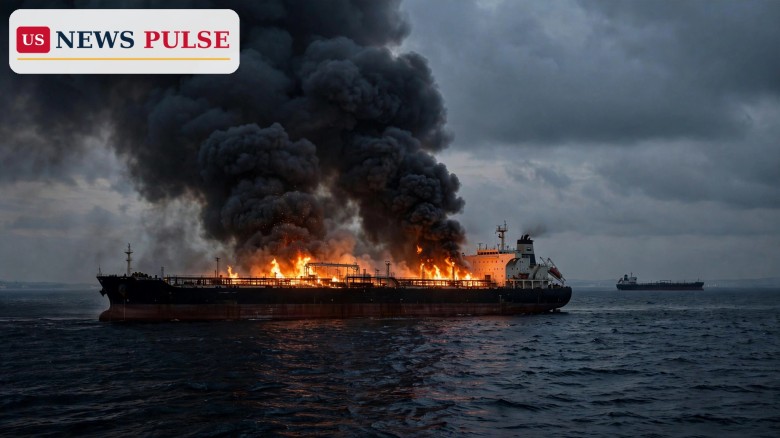
The shipping war has already returned to the strait in force. At least five oil tankers were attacked over the weekend, two struck by projectiles on Saturday and two more, including a supertanker with more than two million barrels of crude, exploding after hitting naval mines on Sunday. The attacks challenge Central Command's Friday claim that American forces control the strait and have restored freedom of navigation.
Reactions
The American administration lined up behind the rejection. Matthew Whitaker, the United States ambassador to NATO, backed the decision on Fox News on Saturday, calling Iran's offer "half measures" and "illusory deals". Treasury Secretary Scott Bessent said American sanctions are biting, with Turkey, Oman and the United Arab Emirates halting flights from Iranian airlines and banks stopping transactions.
Iran's President Masoud Pezeshkian told CBS the memorandum was signed in Pakistan and accused Trump of having "tore up" the agreement when the United States resumed bombing. He said Iran is open to staged implementation, but "the US needs to show it does not intend to overthrow our government", a condition at the heart of Tehran's distrust.
Why It Matters
The Strait of Hormuz carries around a fifth of the world's gas and oil, so a decision about its future is a decision about energy prices for every household and factory in Asia and Europe. A reopening within seven days would have eased the pressure on Brent crude, cut insurance costs and restored a route closed for nine months.
It also answers the central question of the war's diplomacy. For weeks, the seven-day plan was the one proposal with a timetable, a text and mediators carrying it between the two capitals. Rejecting it removes the most concrete path back to talks, replacing it with the prospect of renewed bombing, which the president has described as probable.
What Happens Next
The first question is whether the mediators return with a revised proposal. Araghchi's reference to their "definitive views" suggests Qatar and the other intermediaries have not given up, and a version with stronger guarantees could be tested. The second question is military: whether the weekend tanker attacks and the rejection together trigger the renewed bombing campaign Trump sees as probable.
The third question is economic. With sanctions tightening under Operation Economic Outcast, flights halted and banks cutting off transactions, Iran's economy faces mounting pressure and the rial has hit record lows. Whether that pressure brings Tehran back to the table, or pushes it toward further attacks on shipping, will shape the strait for the rest of the year.
Read more: Five tankers hit in Strait of Hormuz attacks; Iran 7-day Hormuz plan returns; US warns Iran over Strait of Hormuz.
Frequently Asked Questions
What did Iran offer?
Iran offered to reopen the Strait of Hormuz within seven days if the conditions in a June memorandum were met.
Why did Trump reject it?
Trump called it "not acceptable" and said the US already has "total control" of the strait.
What was in the June memorandum?
A 14-point deal under which Iran would never have a nuclear weapon, both sides would end military operations, and US sanctions and the blockade would end.
How much oil passes through the strait?
Around a fifth of the world's gas and oil usually flows through it.
What happens now?
Mediators may return with a revised proposal, but Trump sees a renewed bombing campaign as probable.

The US News Pulse newsroom covers breaking news across the United States and the world, working from wire services, official statements and on-the-record sources. Every story is reviewed against our editorial standards before publication. Corrections and tips: info@usnewspulse.com
About our newsroomLeave a Comment