


 | Today's Date:




Historic Cornell No-Confidence Vote Hits Leaders Over Sexual Assault Crisis
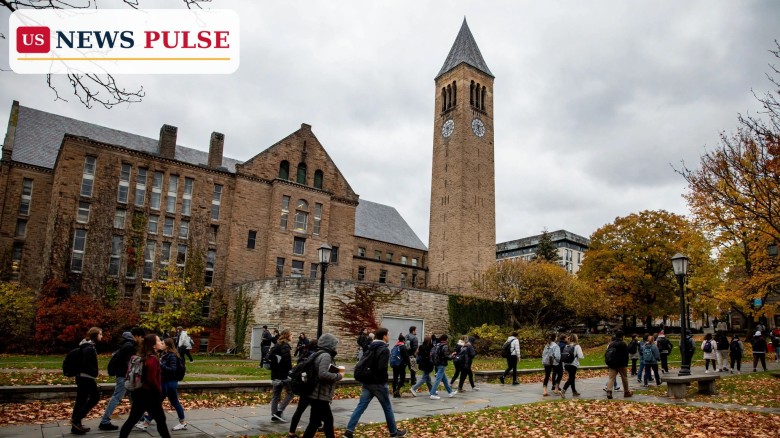
Cornell University’s Faculty Senate has delivered the strongest rebuke in its 56-year history, voting 75-50 to declare no confidence in the university’s central administration over its handling of sexual assault on campus. The Cornell no-confidence vote, approved on Friday, November 6, 2026, is a symbolic but searing verdict on President Michael Kotlikoff and his leadership team, who have faced weeks of mounting criticism over a lawsuit alleging the university mishandled a 2024 gang-rape allegation involving members of the Chi Phi fraternity.
Key Points
- The Faculty Senate passed a no-confidence resolution on Friday, November 6, 2026, by 75 votes to 50, with five abstentions.
- It is the first no-confidence vote in the Senate’s 56-year history, over the administration’s handling of the campus sexual assault crisis.
- The resolution is non-binding. Only the Board of Trustees can remove leaders, and Board Chair Anne Smalling said the board still backs President Michael Kotlikoff.
- The vote followed debate over a September lawsuit by former student Jane Doe, who alleges she was drugged and gang-raped by seven Chi Phi members in October 2024.
- Cornell hired former acting attorney general Sally Yates to review its sexual assault policies, and Attorney General Letitia James appointed former federal prosecutor Jacqueline Kelly to lead the reopened criminal investigation.
What Happened
Faculty senators voted between October 29 and November 6, after weeks of debate over whether to send such a powerful message to campus leaders. More than 160 faculty members had expressed support before the vote, and the resolution passed by a clear margin.
The resolution was introduced in mid-October by labour history professor Paul Ortiz and more than a dozen co-sponsors. Ortiz told colleagues that Jane Doe’s case was “but a tip of the iceberg,” and argued Cornell administrators had put the university’s reputation above victims’ interests. He called campus police investigations into sexual assault inadequate and cited reporting showing Cornell rarely suspended or expelled students in such cases. Opponents said they lacked enough information to judge the university’s response. Their argument did not carry the day.
Background and Context
The crisis centres on a lawsuit filed in September 2026 by a former student identified as Jane Doe. She alleges she was drugged with ketamine and gang-raped by seven Chi Phi fraternity members at a fraternity house in October 2024. The men deny the allegations and no criminal charges have been brought. Cornell disciplined several of the accused after a months-long Title IX investigation, shut down the fraternity and temporarily suspended the accused. Two were later expelled.
The fallout has spread beyond campus. Governor Kathy Hochul appointed Attorney General Letitia James as special prosecutor to oversee a criminal investigation, and in late October the university agreed the New York State Police would take over future sexual offence complaints on campus, a move we reported at the time. This week James appointed Jacqueline Kelly, a former Manhattan federal prosecutor who oversaw the sex-crime cases against Sean “Diddy” Combs, to lead the reopened investigation, as we reported earlier this week.
Cornell No-Confidence Vote: What the Resolution Says
The resolution declares the Faculty Senate “has no confidence in the ability of the central administration to effectively address the ongoing crisis of sexual assault at Cornell University.” The senators who brought it forward said: “This vote is a reckoning for our University. It is a call for real, systemic change; not a slow-moving taskforce, weakly enforced ban on fraternity parties, or expensive PR damage control, but meaningful, evidence-based steps to reduce the incidence of sexual assault on campus and provide significant support to and justice for survivors.”
The language goes beyond Jane Doe’s case. The senators framed the vote as a judgement on a system — how Cornell investigates sexual assault, disciplines students and communicates with survivors — not a single decision. The resolution is non-binding and cannot force Kotlikoff from office, but he has already faced calls to resign, and the vote gives those calls the formal backing of the university’s elected faculty body.
Reactions and Quotes
The Board of Trustees moved quickly to stand by the president. Board Chair Anne Smalling said: “Today’s Faculty Senate vote reflects the deep anger across our campus and sends a clear signal that what happened to Jane Doe is unacceptable. There is no place for sexual violence on the Cornell campus.” She added: “The Board of Trustees remains confident that President Kotlikoff and his administration are the right leaders to thoughtfully and comprehensively address the serious problem of sexual assault on our campus.”
The two statements capture the divide running through Cornell. The faculty demands systemic change; the board acknowledges the anger but insists the same leaders who presided over the crisis are the right people to fix it. Neither side has shown any sign of giving ground.
Why It Matters
The vote matters first because of what it says about trust inside one of the country’s largest universities. A no-confidence vote is the strongest formal tool a faculty body has, and Cornell’s senate had never used it in more than half a century. Its use now signals that a majority of the university’s elected faculty no longer believes the administration can be trusted to handle sexual assault.
It matters second because the case remains unresolved. Jane Doe’s lawsuit is still before the courts, the criminal investigation led by Kelly will take months, and none of the accused has been charged. The vote settles none of those questions, but it makes clear the faculty believes the institution’s response so far has fallen short.
What Happens Next
Nothing changes immediately. The resolution is non-binding, the board has publicly backed Kotlikoff, and only the board can remove him. The Yates review of Cornell’s sexual assault policies is expected to produce recommendations, and the university will face pressure to adopt them quickly and publicly. The criminal investigation will gather evidence, interview witnesses and review records, reporting to Attorney General James, and is expected to take months.
Students and faculty groups calling for Kotlikoff’s resignation are unlikely to fall silent, and the vote gives their demands the Senate’s formal weight. For now, Cornell’s leadership remains in place, backed by its board and challenged by its faculty.
Frequently Asked Questions
What did the Faculty Senate vote on?
A resolution declaring no confidence in the administration’s handling of the campus sexual assault crisis. It passed 75-50 on November 6, 2026.
Is the no-confidence vote binding?
No. Only the Board of Trustees can remove leaders, and Board Chair Anne Smalling said the board still supports President Michael Kotlikoff.
Why did the faculty call the vote?
After weeks of debate over a lawsuit by former student Jane Doe, who alleges she was drugged and gang-raped by seven Chi Phi members in October 2024.
What is happening with the case now?
Attorney General Letitia James appointed former federal prosecutor Jacqueline Kelly to lead the reopened criminal investigation, and Sally Yates is reviewing Cornell’s policies.
Has anyone been charged?
No. The accused men deny the allegations. Cornell disciplined several after a Title IX investigation, and two were later expelled.
Leave a Comment