
SpaceX Must Face Sex-Bias Claims After Appeals Court Rejects Arbitration Bid
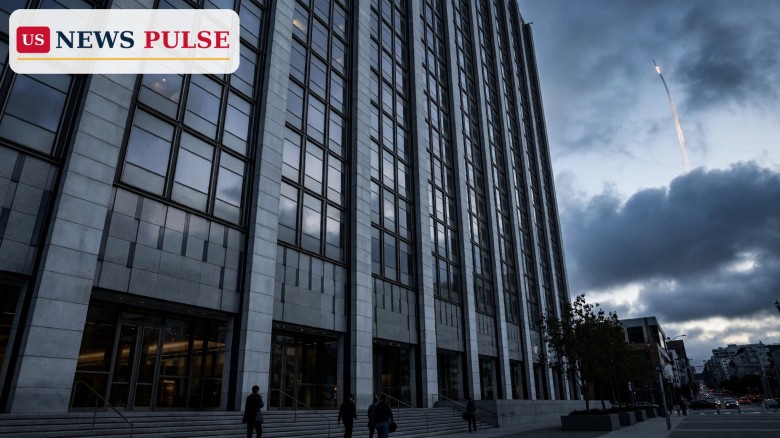
SpaceX must face a lawsuit from eight engineers who say they were fired for raising concerns about sexual harassment at the rocket company, after a federal appeals court on Tuesday rejected the company's bid to move the case into private arbitration. The San Francisco-based 9th US Circuit Court of Appeals ruled on November 10, 2026, that the case can continue in court, upholding a federal judge's decision that the engineers' claims were exempt from the arbitration agreements they signed at SpaceX.
Key Points
- The 9th US Circuit Court of Appeals ruled on Tuesday, November 10, 2026, that SpaceX must defend the lawsuit in court rather than in private arbitration.
- The court upheld a federal judge's decision that the engineers' claims are exempt from the arbitration agreements they signed at SpaceX.
- The engineers sued in 2024, saying chief executive Elon Musk ordered their firing after they circulated an open letter calling him a "distraction and embarrassment".
- The letter urged SpaceX executives to disavow sexually charged comments Musk had made on social media.
- The ruling turns on a 2022 federal law that lets workers pursue sexual harassment disputes in court even when they signed arbitration agreements.
What Happened
In 2022, a group of SpaceX engineers circulated a letter criticising Musk's behaviour on social media, calling him a "distraction and embarrassment" and urging the company's leadership to distance itself from his sexually charged remarks. SpaceX fired the engineers shortly afterwards.
In 2024, eight of them sued, claiming their dismissals were illegal retaliation for raising concerns about alleged sexual harassment and discrimination. The lawsuit said Musk's conduct had fostered a "pervasively sexist culture" at SpaceX, in which female engineers were routinely subjected to harassment and sexist comments. SpaceX has denied the allegations.
SpaceX then asked a federal judge to enforce the arbitration agreements the engineers had signed and send the dispute to private arbitration. The judge refused, finding the claims covered by a federal law allowing lawsuits in "sexual harassment disputes" regardless of arbitration agreements. SpaceX appealed, and on Tuesday the 9th Circuit agreed.
Background: The Letter, the Firings and the Lawsuit
The letter was circulated when Musk's social media posts were drawing intense public scrutiny. It urged executives to hold the chief executive to the same standards expected of other employees, arguing his public behaviour was damaging the company and its workforce. The engineers who signed or shared it said they were raising a workplace concern through the channels available to them. Instead, they say, they were fired on Musk's orders.
Arbitration clauses are common across the technology industry, typically requiring employees to resolve disputes privately, outside the public court system, with limited rights of appeal. Critics have long argued that the system favours employers and keeps allegations of misconduct out of public view.
SpaceX Sex-Bias Claims: What the Court Decided
At the heart of the decision is the Ending Forced Arbitration of Sexual Assault and Sexual Harassment Act, a bipartisan law signed in 2022. It voids pre-dispute arbitration agreements for sexual assault or sexual harassment claims, allowing workers to choose the courts instead. It was passed after the #MeToo movement, amid testimony that forced arbitration had silenced victims and shielded employers from public accountability.
SpaceX argued that the engineers' claims did not qualify as a "sexual harassment dispute" under the law, and therefore that the arbitration agreements should still apply. The appeals court rejected that reading. The ruling does not decide whether the engineers' underlying allegations are true. It decides only where the case will be heard, and it keeps the dispute in the public court system, where filings, testimony and any trial would be open to scrutiny. How broadly courts interpret the phrase "sexual harassment dispute" will shape whether other workers can use the law to escape arbitration, particularly where retaliation for raising harassment concerns is at the centre of the claim.
Reactions and Quotes
The engineers' attorney, Laurie Burgess, welcomed the ruling, saying her clients were "delighted" with the court's "well-reasoned" decision. Had SpaceX prevailed, the claims would have been heard by a private arbitrator behind closed doors rather than a judge and jury.
Spokespeople for SpaceX did not immediately respond to a request for comment. The company has denied the allegations and has not said whether it will seek a rehearing before a larger 9th Circuit panel or an appeal to the Supreme Court.
Why It Matters
The ruling reaches well beyond SpaceX. Arbitration agreements cover tens of millions of American workers, including many in technology, where the clauses are standard in employment contracts. If the 9th Circuit's reading holds, workers who say they were punished for raising harassment concerns will have a clearer path to court despite signed arbitration agreements.
It also matters because of who is involved. Musk is one of the world's richest and most influential business leaders, and SpaceX is a central contractor for the US government, launching satellites and astronauts and building systems for national security missions. A public trial airing claims of a sexist workplace culture would carry reputational and commercial consequences that a private arbitration would not.
What Happens Next
With arbitration settled for now, the case returns to the federal district court and can move toward discovery, when the engineers' lawyers can seek internal SpaceX documents and testimony from executives, including potentially Musk himself, about the firings and the workplace culture described in the lawsuit.
SpaceX could still ask the full 9th Circuit to rehear the case, or petition the Supreme Court to take it up. Either step would delay the proceedings, and the Supreme Court accepts only a small fraction of the cases brought before it. If no further appeal is filed, the case will proceed in the district court, where the engineers must prove their claims of retaliation and a hostile work environment. No trial date has been set, and the litigation could take months or years to resolve.
Frequently Asked Questions
What did the 9th Circuit decide? The court ruled SpaceX must face the eight fired engineers' lawsuit in court, rejecting the company's request for private arbitration under the agreements they signed.
Who are the eight engineers? They are former SpaceX engineers who say they were fired in 2022 after circulating a letter criticising Elon Musk's social media conduct and urging executives to disavow his sexually charged comments.
What law is at the centre of the case? The Ending Forced Arbitration of Sexual Assault and Sexual Harassment Act of 2022, which lets workers pursue sexual harassment disputes in court despite signed arbitration agreements.
Has the court decided whether the engineers' allegations are true? No. It decides only that the case can proceed in court. The retaliation and workplace-culture claims have not yet been tried, and SpaceX denies the allegations.
What happens next? The case returns to federal district court for discovery and pre-trial proceedings, unless SpaceX seeks a rehearing or a Supreme Court appeal.
Related reading: Musk offers to cancel any SpaceX government contract Washington no longer wants; SpaceX picks Qualcomm to build Starlink Mobile's nationwide 5G network; xAI Clean Air Act lawsuit survives as judge refuses to dismiss NAACP case.
© 2026 US News Pulse. All rights reserved.
 Print
 Save