
Trump Ally Bill Essayli to Lead Stalled Probe Into Trump Documents Case
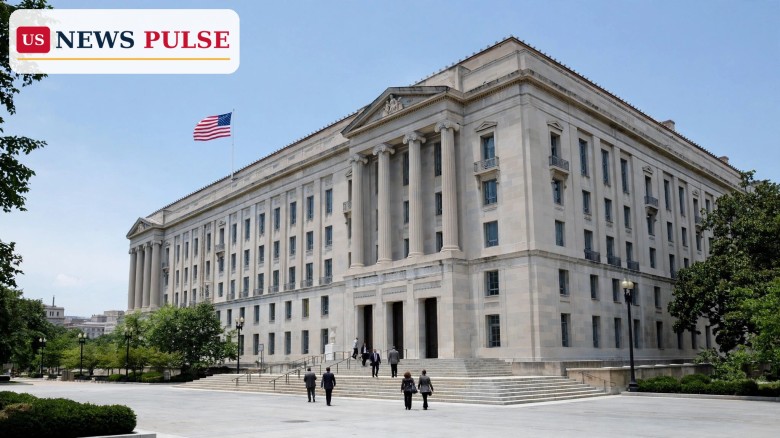
The Justice Department's stalled investigation into the past criminal probes of President Donald Trump is getting a new leader — and a narrower focus. Bill Essayli, the top federal prosecutor in Los Angeles and a Trump ally, will take over part of the inquiry as a special assistant US attorney, a Justice Department official and a second source told Reuters on Thursday, November 19, 2026. Essayli will examine the FBI's 2022 search of Trump's Mar-a-Lago resort and the criminal case that followed, which accused the president of unlawfully keeping classified documents after leaving office.
Key Points
- Bill Essayli, the top federal prosecutor in Los Angeles, will help lead the Justice Department's investigation into past probes of President Trump as a special assistant US attorney.
- He will focus on the FBI's 2022 raid of Mar-a-Lago and the classified documents case that followed.
- The wider inquiry examines whether Trump was the victim of a sweeping conspiracy by law enforcement and intelligence officials under Presidents Barack Obama and Joe Biden.
- Joseph diGenova, who previously led the probe, said narrowing it to the documents case makes sense because a case about the earlier issues may be barred by the statute of limitations.
- DiGenova also said Essayli should now have more time to pursue it, with the November 3 midterm elections over.
What Happened
Reuters reported the move on Thursday, citing a Justice Department official and a second source familiar with the matter. The appointment gives the stalled inquiry a new face as the department faces pressure from the president's supporters. Essayli will serve as a special assistant US attorney, a designation that lets a sitting federal prosecutor take on work beyond his own district.
Essayli leads the US Attorney's Office for the Central District of California, the largest prosecutor's office outside Washington. The new role puts him at the centre of a politically charged question: whether the investigations of Trump were legitimate law enforcement or, as the president argues, a coordinated effort to destroy him.
Background: The Raid, the Case and the Counter-Investigation
In August 2022, FBI agents searched Mar-a-Lago, Trump's resort and residence in Palm Beach, Florida, removing boxes of government records after months of negotiations between the National Archives and Trump's team. Prosecutors later charged Trump with unlawfully retaining classified documents and obstructing efforts to recover them.
The case never reached a jury. It was dismissed by the trial judge in 2024, and after Trump won the 2024 election, the Justice Department dropped the prosecution, in line with its policy against prosecuting a sitting president. But Trump has never stopped arguing that the raid and the case were part of something larger — law enforcement and intelligence agencies being weaponised against him.
That argument became the basis for the investigation Essayli is now joining. Under Trump's second administration, the Justice Department opened a probe into whether Trump was the victim of a sweeping conspiracy by law enforcement and intelligence officials under Presidents Obama and Biden. Joseph diGenova, a lawyer and longtime Trump ally, previously led that effort, but it has produced little visible progress.
The Trump Documents Case: What Essayli Will Examine
Essayli's brief is narrower than the original probe. He will examine the FBI's 2022 raid of Mar-a-Lago and the ensuing criminal case, rather than the full sweep of alleged conspiracies stretching back through the Obama and Biden administrations. DiGenova told Reuters the narrower focus makes sense because a criminal case about the earlier issues may be barred by the statute of limitations — the legal time limit for bringing charges.
The narrower scope may also make the work more manageable: the documents case is a discrete set of events with a clear paper trail — the Archives' requests, the subpoena, the search warrant and the indictment. What Essayli is expected to produce is not yet clear: criminal referrals, a public report, or an internal review that finds no wrongdoing are all possible. He is already fighting a legal battle over his own appointment, after a federal judge ruled that he serves unlawfully as US attorney. Read more here: Judge Refuses to Pause Ruling That LA Prosecutor Bill Essayli Serves Unlawfully.
Reactions and Quotes
Joseph diGenova, who previously led the probe, welcomed the narrower focus. He told Reuters it makes sense, given that a criminal case about prior issues may be barred by the statute of limitations. He also said Essayli should have more time to pursue it now that the November 3 midterm elections are over.
Neither the Justice Department nor Essayli has publicly commented in detail, and Reuters reported the move on the basis of its two sources rather than an official announcement. Critics are likely to focus on the choice of investigator: putting a Trump loyalist in charge of examining the investigations of Trump himself raises familiar questions about the inquiry's independence.
Why It Matters
The appointment signals that the Trump administration is not prepared to let this investigation fade away. The probe into past investigations of Trump has been one of its signature promises to supporters — a pledge to hold accountable the officials it blames for what it calls the weaponisation of justice.
There is also a clock running. Democrats take control of both chambers of Congress in January and have promised investigations of their own, while the statute of limitations question raised by diGenova adds another pressure.
What Happens Next
Essayli is expected to begin work in the coming weeks, though no public timetable has been announced. The first signs of progress are likely to be procedural — staffing decisions, document requests and interviews. Any move toward criminal referrals would become visible only when charges are filed or a report is released.
Watch, too, for the legal fight over Essayli's own appointment: if the courts uphold the ruling that he serves unlawfully as US attorney, it could complicate his ability to lead this inquiry. Trump returned this week from a first-ever trilateral summit with China's Xi Jinping and Russia's Vladimir Putin in Shenzhen, which ended with a peace declaration but no breakthrough. Read our report here: Trump, Xi and Putin End First Trilateral Summit With Peace Declaration, No Breakthrough.
Frequently Asked Questions
Who is Bill Essayli?
Bill Essayli is the top federal prosecutor in Los Angeles, serving as US attorney for the Central District of California, and a Trump ally.
What investigation will Essayli lead?
Part of a Justice Department investigation into past probes of President Donald Trump, focusing on the FBI's 2022 Mar-a-Lago search and the classified documents case.
Why has the probe been described as stalled?
Both proponents and detractors have described its progress as stalled. Its previous leader, Joseph diGenova, said the narrower focus should make it more workable.
Could the investigation lead to criminal charges?
Too early to say. DiGenova noted that a case about the earlier issues may be barred by the statute of limitations — one reason the probe has been narrowed to the documents case.
What happened to the original classified documents case against Trump?
It was dismissed by the trial judge in 2024, and the Justice Department dropped it after Trump won the 2024 election, in line with its policy against prosecuting a sitting president.
© 2026 US News Pulse. All rights reserved.
 Print
 Save