


 | Today's Date:


Iran Says US Deal Is Far Off as Tehran Threatens Forceful Response to Strikes
A senior Iranian official told Reuters on Tuesday, November 3, 2026, that Iran and the United States are still far from a deal to end their war, despite eight days of talks on a draft agreement and a fresh round of Qatari mediation. The blunt assessment landed as Americans voted in the midterm elections, and it came with a warning from Tehran that any American miscalculation would draw an unpredictable response.
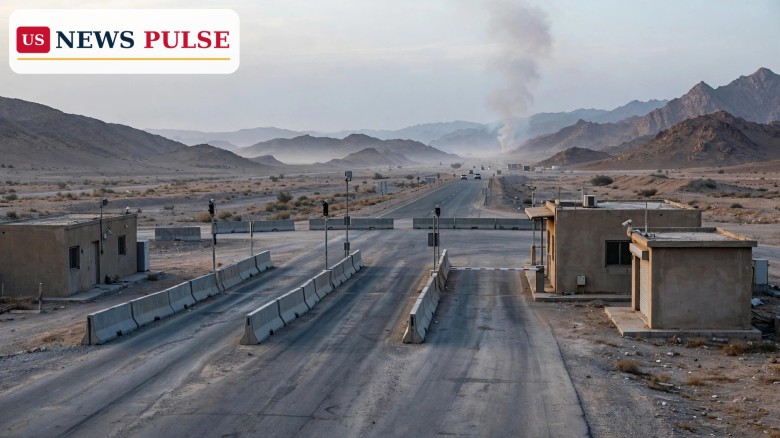
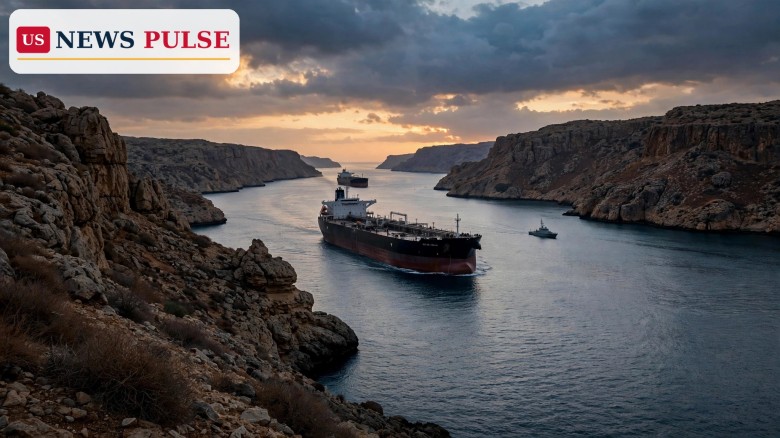
The update underlines how wide the gap remains in a conflict now in its ninth month, in which the Strait of Hormuz — the narrow waterway carrying a large share of the world's seaborne oil — has become both a bargaining chip and a flashpoint. Iran has tied any full reopening of the strait to its own conditions, while Washington insists on a firm, verifiable commitment that Tehran will not rebuild its nuclear programme.
Key Points
- A senior Iranian official told Reuters on Tuesday that Iran and the United States are far from a deal, despite heightened diplomatic efforts.
- Qatari mediators travelled to Tehran on Monday night to discuss a draft deal under negotiation for eight days.
- Parliament Speaker Mohammad Bagher Qalibaf said the ball is in Washington's court and warned Tehran's response to any miscalculation would disregard geographical constraints.
- President Masoud Pezeshkian said a return to war would benefit "no one", even as the Revolutionary Guards claimed fresh drone shootdowns near the Strait of Hormuz.
- Tehran says its conditions must be met before the strait fully reopens, and that nuclear talks could only begin afterwards.
What Happened
According to Reuters, the senior official said Tehran's conditions must be met if Washington wants the Strait of Hormuz reopened, and that nuclear talks could only start after that. The official also said Iran would not accept what it called Washington's "excessive demands". That captures the core disagreement blocking a settlement: each side wants the other to move first, and neither has publicly spelled out a sequence both can accept.
Qatar has played a central mediating role throughout the crisis, carrying messages between two governments that do not talk directly. That a draft has been in play for eight days without agreement suggests the remaining differences are substantive, not merely presentational. Separately, the Revolutionary Guards said they had downed a United States MQ-9 drone overnight east of the Strait of Hormuz and shot down two Lucas drones over Bandar Khamir on Tuesday, according to Tasnim. No independent or United States confirmation was reported, so those claims remain unverified — as earlier drone claims in this series were when first reported.
Background and Context
The war began on February 28, 2026, and has since drawn in Gulf shipping, regional air defences and repeated rounds of mediation. In recent days the tempo has quickened: United States forces carried out what officials described as defensive strikes on Qeshm Island, targeting surface-to-air missiles said to have been used against American assets, and President Donald Trump later confirmed the operation in public, describing it as limited.
On Monday, Vice President JD Vance struck a more upbeat note, saying Washington had made progress in talks with Iran and that no strict deadline had been set. Trump, speaking the same day, said Iran wants a deal. Public optimism and private caution often run side by side in such negotiations. See our coverage of the three tankers hit by mines in Hormuz and the earlier United States strikes on Qeshm Island.
Iran US Deal: Why Tehran Says It Is Far Off
The heart of the Iranian position, as described to Reuters, is sequencing. Tehran wants its conditions met — including, in its telling, relief that would allow the strait to reopen — before nuclear talks begin. Washington, by contrast, has made a verifiable commitment on the nuclear programme its top priority, with Vance saying the United States had destroyed that programme and must ensure it is not rebuilt. Those two sequences do not easily fit together, and the draft under discussion has evidently not yet bridged them.
Trust is the other obstacle. After months of strikes and competing claims, neither side takes the other's assurances at face value, and mediators cannot supply the political decision to accept a compromise that hardliners will attack.
Reactions and Quotes
President Pezeshkian said a return to war would benefit "no one" — a line that reads both as a warning and as an opening, signalling that Tehran does not want a wider conflict even while it refuses Washington's terms. Qalibaf was blunter: he said on Tuesday that the ball is in the United States' court and that Tehran's response to any American miscalculation would be unpredictable and would disregard geographical constraints. The phrase is deliberately open-ended, echoing earlier Iranian warnings that retaliation need not be confined to the strait itself.
Why It Matters
A deal would affect far more than the two governments at the table. The Strait of Hormuz is a vital oil chokepoint, and every escalation there has rippled into energy prices, shipping insurance and freight rates. A durable reopening would ease pressure on oil markets already hit by strikes, mine incidents and blockade threats. For the wider region, a settlement that sticks would lower the temperature; a collapse in talks, followed by renewed strikes, would raise it sharply — and, as Qalibaf's warning suggests, possibly beyond the strait itself.
What Happens Next
Watch three things: what Qatari mediators carry back from Tehran and whether either capital softens its sequencing demands; whether the unconfirmed drone claims draw an American response; and whether Washington's post-midterm posture hardens or opens. Trump says Tehran wants a deal soon and Vance says there is no strict deadline, but neither closes the gap Tehran described on Tuesday.
Frequently Asked Questions
Are the United States and Iran close to a deal?
Not according to a senior Iranian official who spoke to Reuters on Tuesday, November 3, 2026, despite eight days of talks on a draft agreement and a Qatari trip to Tehran on Monday night.
What does Iran want before the Strait of Hormuz fully reopens?
Tehran says its conditions must be met if Washington wants the strait reopened, and that nuclear talks could only start afterwards. It has also said it will not accept what it calls Washington's excessive demands.
Did Iran really shoot down a United States MQ-9 drone?
The Revolutionary Guards claimed they downed an MQ-9 east of the Strait of Hormuz and two Lucas drones over Bandar Khamir, via Tasnim. No independent or United States confirmation was reported, so the claims remain unverified.
What did President Pezeshkian and Speaker Qalibaf say?
Pezeshkian said a return to war would benefit "no one". Qalibaf said the ball is in the United States' court and warned that Tehran's response to any miscalculation would be unpredictable and disregard geographical constraints.
How long has the United States-Iran war been going on?
The war began on February 28, 2026, about nine months before Tuesday's update.
Related coverage: Vance says United States-Iran talks are making progress, with no deadline for a deal and Tehran's earlier drone claims near Qeshm Island.
Leave a Comment