


 | Today's Date:





US Sanctions Iran Shadow Fleet Network in India Over False Flag Fraud
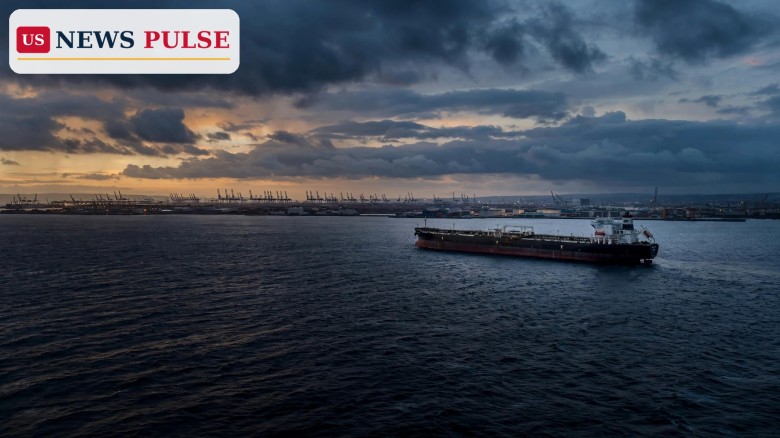
The United States has imposed new sanctions on an India-based maritime fraud network accused of helping Iran's shadow fleet of oil tankers sail under false flags, in the latest US sanctions Iran shadow fleet action under Operation Economic Outcast. The US Treasury Department announced the designations on Wednesday, November 4, 2026, naming India-based Suniel Kumar Sharma and his wife Jaspreet Preeti Shahid, based in Chandigarh, India, as the alleged operators of what it called a vast criminal network. Treasury said the network defrauded maritime regulators in several jurisdictions to create false flagging authorities and classification societies, giving sanctioned vessels carrying Iranian petroleum fake flags and false certificates so they could evade international restrictions.
The action also designated two other Indian nationals, Ashwani Kumar Dhiman and Ishwinder Singh, and nine entities connected to Sharma, including India-based Aryavart Ship Management Private Limited. Turkiye-based Fugo Ground Services Inc was also sanctioned for providing ground services to sanctioned Iranian airlines, including Iran Air Tour, Saha, Taban and Ata. The designations fall under Executive Order 13902 and form part of Operation Economic Outcast, launched on August 24, 2026.
Key Points
- The US Treasury sanctioned an India-based network on November 4, 2026, accusing it of giving Iran's shadow fleet false flags and fake certificates.
- Suniel Kumar Sharma and Jaspreet Preeti Shahid of Chandigarh are named as the alleged operators, with two other Indian nationals and nine entities.
- The network allegedly purported to represent nations from Guyana to Eswatini and Laos, inventing flagging authorities and classification societies.
- Turkiye-based Fugo Ground Services Inc was also designated for ground services to sanctioned Iranian airlines.
- Treasury Secretary Scott Bessent warned the US would sanction supporters of the Iranian regime, "whether by land, sea, or air".
What Happened
The scheme described by Treasury turns on the paperwork every merchant ship needs to sail legally. A vessel's flag determines which country regulates it, while classification societies certify that a ship is seaworthy. Treasury said Sharma's network defrauded regulators in multiple jurisdictions to invent flagging authorities and classification societies that did not genuinely represent the nations they claimed to speak for, from Guyana to Eswatini and Laos.
With those false flags and fake certifications, sanctioned vessels carrying Iranian petroleum could present themselves as legitimately registered ships. That matters because the shadow fleet, ageing tankers carrying sanctioned oil while obscuring ownership, cargo and movements, depends on appearing legitimate to ports, insurers and buyers. A false flag can help a vessel pass checks it would otherwise fail and keep insurance and port access. Treasury said some vessels served by the network were operating for the Iranian military and its proxies.
Alongside the designations, the Office of Foreign Assets Control issued a new industry alert on falsely flagged vessels, urging shipping companies, insurers, banks and port operators to check documents more carefully and report suspicious paperwork.
Background and Context
The designations arrive in the ninth month of the US-Iran war, which began on February 28, 2026. Iran has relied on oil exports to fund its government and armed forces, and the United States has sought to choke off that revenue through sanctions and action against the tankers and middlemen moving Iranian crude. The Strait of Hormuz has been a repeated flashpoint, with Tehran seeking the lifting of the naval blockade and the easing of sanctions in any settlement.
Operation Economic Outcast, launched on August 24, 2026, is the umbrella for this campaign, targeting people and companies accused of helping Iran evade sanctions. The November 4 action extends it from tankers and cargoes to the administrative fraud that allegedly kept them afloat. Shadow-fleet vessels often change names and flags, switch off tracking and use shell companies to hide owners, making a respectable identity valuable. Background on the wider confrontation is in our coverage of warnings around US strikes on Iran and the reported draft framework for a US-Iran deal.
How the US Sanctions Iran Shadow Fleet Fraud Worked
According to Treasury, the scheme worked by inventing authority rather than stealing it. A shipowner wanting to hide a sanctioned vessel's true status could obtain a flag and certificate from one of these invented bodies, presenting the tanker as properly registered. Insurers, banks, charterers and port inspectors rely on such documents when deciding whether to do business with a vessel, so convincing papers can unlock insurance, port entry and cargo contracts.
The inclusion of Aryavart Ship Management Private Limited among the nine designated entities points to the operational side of the alleged scheme, linking the paperwork operation to ship management. Treasury did not name individual vessels in the material summarised in its announcement.
Reactions and Statements
Treasury Secretary Scott Bessent set out the administration's position bluntly, saying: "You are either with us or against us." He warned the United States would sanction those who keep supporting the Iranian regime "whether by land, sea, or air". The message of Operation Economic Outcast is that facilitators, not only the regime itself, are targets.
The Fugo designation extends that message to aviation: ground services are essential to keeping an airline operating internationally, so cutting off a handler squeezes its operations without sanctioning every aircraft it flies.
Why It Matters
The action matters for three reasons. First, it strikes at the credibility of the shadow fleet's disguise: if ports, insurers and registries treat linked certificates as suspect, vessels that relied on them become harder to operate and more likely to be detained. Second, it warns other maritime providers that inventing flag paperwork carries the same risk as carrying the oil itself. Third, it shows how far Washington will extend its net, reaching into India and Turkiye rather than limiting action to Iranian entities. Our earlier reporting on US sanctions against Rwanda's defence ministry shows how such designations often carry a message beyond the named targets.
What Happens Next
The practical test now is enforcement. Designated persons and entities are generally cut off from the US financial system, and US persons are barred from dealing with them, which can ripple through banks and insurers worldwide. Maritime authorities will be expected to check whether vessels on their registers carry papers linked to the network, and further designations may follow if investigators trace the network's clients to specific tankers or buyers.
Frequently Asked Questions
What is Iran's shadow fleet?
A network of tankers, often older vessels with obscured ownership, carrying sanctioned Iranian oil while hiding cargo and movements through flag changes, ship-to-ship transfers and shell companies.
Who was sanctioned on November 4, 2026?
Suniel Kumar Sharma and Jaspreet Preeti Shahid of Chandigarh, Ashwani Kumar Dhiman, Ishwinder Singh, nine entities linked to Sharma including Aryavart Ship Management, and Turkiye-based Fugo Ground Services Inc.
What is false flagging?
Giving a vessel a flag, registration or certification it is not genuinely entitled to, so it appears legitimately registered when it is not.
What is Operation Economic Outcast?
The US campaign launched on August 24, 2026, targeting people, companies and networks accused of supporting the Iranian regime, including through sanctions evasion.
What happens to those designated?
They are generally cut off from the US financial system, US persons are barred from dealing with them, and dealings with banks, insurers and ports worldwide become far more difficult.
Leave a Comment