


 | Today's Date:



US Iran Draft Deal Approved by Washington Under Qatar Plan, Sources Say
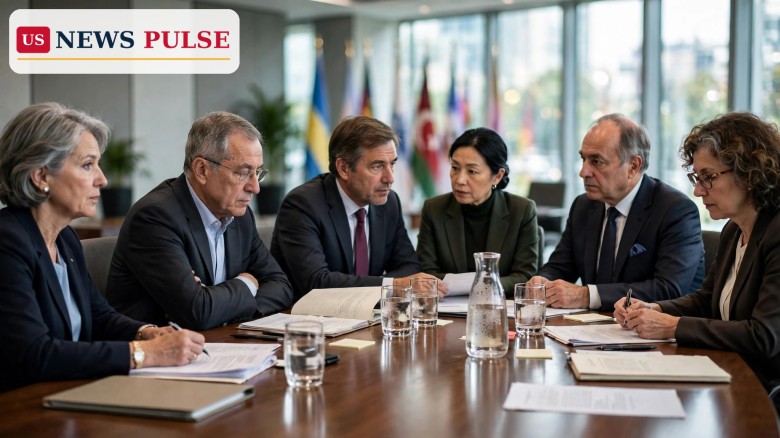
The United States has approved a draft memorandum of understanding presented by Qatari mediators aimed at ending the eight-month war with Iran, sources familiar with the matter have said. The report, from Qatari newspaper Al-Araby Al-Jadeed via The Express Tribune, says Washington signed off on the draft a day after it was presented, and that Saudi Arabia and the United Arab Emirates, briefed by the mediation team, also approved it.
The reported bargain is a sequenced trade: Tehran would announce a concession on its nuclear programme, and Washington would simultaneously announce the release of part of Iran's frozen assets. The coordinated announcements would open an interim deal leading to renewed negotiations. Neither capital has publicly confirmed the draft text, so this is a reported step forward, not a signed agreement.
Key Points
- Sources say the US approved a draft memorandum presented by Qatari mediators a day after it was tabled.
- Saudi Arabia and the UAE were briefed on the draft and also approved it, according to the report.
- The trade is a Tehran nuclear concession announced with a US release of part of Iran's frozen assets.
- Talks continue on the arrangements for simultaneous announcements and an interim deal.
- Iran's security chief Mohsen Rezaei called Washington's response "not convincing".
What Happened
The Qatari team presented the draft to Iran a day before the account emerged, the sources said, and the United States approved it. Mediators then briefed Riyadh and Abu Dhabi, both of which approved the text. That matters because Gulf states have pressed Washington for months to give diplomacy more time, warning that renewed fighting could engulf the wider region.
Simultaneity is the draft's core idea: neither side moves first, and the harder questions are deferred to renewed talks under an interim deal. No announcement date has been reported and no text published. Caution is warranted: earlier frameworks, including a reported late-October text on uranium and a Hormuz reopening, stalled on the same question of who moves first.
Background/Context
Qatar has been the central mediator in this phase. Its delegation returned to Doha on Monday evening after more than three hours of talks in Tehran, and spokesman Majed al-Ansari says both sides remain committed to mediation and are studying proposals. Hours earlier, Vice President JD Vance said Washington had made "progress" with no deadline, and President Donald Trump said a deal was "coming together very nicely".
Monday also brought friction: Iran's armed forces chief set out five conditions, and Tehran's two-day plan — sanctions and blockade relief on day one, a Hormuz reopening on day two — stayed on the table beside Washington's demand for a verifiable nuclear commitment. The war has not paused for the talks: the US has struck around Qeshm Island, Iran claims to have downed US drones there, which the US military denies, and Hormuz shipping remains exposed.
US Iran Draft Deal: What the Memorandum Would Cover
On the reporting available, the memorandum is an interim instrument, not a final peace treaty. Its elements are a Tehran nuclear concession, a partial US release of frozen assets, simultaneous announcements, and initial steps toward renewed negotiations. The report does not specify the concession's scope, the release's size, or the interim phase's length — gaps where any deal could founder.
Nor does the draft resolve Iran's full demands. Tehran ties a Hormuz reopening to a package including a Middle East ceasefire, lifted oil sanctions, an end to the naval blockade, war reparations, US force withdrawal and an end to threats. A partial asset release addresses only part of that list, leaving the rest for the renewed negotiations the memorandum is meant to unlock.
Reactions/Quotes
Tehran pushed back swiftly. Security chief Mohsen Rezaei said on X that Washington's response to Iran's demands was "not convincing" and that Hormuz would reopen only after the US fully and explicitly fulfils Iran's seven conditions. Whatever Washington approved, Tehran has not publicly accepted the draft.
A senior Iranian official told Reuters on Tuesday that a deal remains far off, that nuclear talks can only start after Iran's conditions are met, and that Tehran would respond forcefully to US strikes. That sits in tension with the reported US approval: Washington may have accepted a mediator's text while Tehran still sees its core conditions as unmet. Qatar's public language stays measured, with al-Ansari saying only that both sides remain committed.
Why It Matters
If the approval holds, it would be the mediation's furthest advance since an early preliminary deal fell apart within weeks. Simultaneous announcements would give both governments something to show at home: Washington a verifiable nuclear step, Tehran a tangible economic return. For Gulf states and Hormuz shipping, even an interim deal would lower the risk of a wider war. But the sequencing dispute that sank earlier drafts is embedded here, merely packaged as simultaneity, and the report emerged on US midterm election day, when the war's handling is a live campaign issue.
What Happens Next
The next test is whether Tehran publicly engages with the draft and whether the simultaneous announcements materialise. Watch for statements from the Qatari team, for Rezaei hardening or softening the seven-conditions line, and for any asset movement corroborating the reported trade. Beyond that, an interim deal must survive verification of Tehran's nuclear step, delivery of the release, and agreement on a negotiating agenda. For now the honest summary is narrow: reported approval, Gulf backing, talks on announcements — and Tehran publicly unconvinced. That is progress, not yet a deal.
Frequently Asked Questions
Has the US signed a deal with Iran?
No. Washington has reportedly approved a draft memorandum presented by Qatari mediators. No signed agreement has been announced and no text published.
What would each side announce?
Tehran would announce a nuclear concession and Washington would simultaneously announce the release of part of Iran's frozen assets.
Has Iran accepted the draft?
Not publicly. Rezaei called Washington's response "not convincing", and a senior official told Reuters a deal remains far off.
What are Iran's conditions?
Tehran's seven conditions include a Middle East ceasefire, asset release, lifted oil sanctions, an end to the naval blockade, war reparations, US force withdrawal and an end to threats.
What role have Qatar, Saudi Arabia and the UAE played?
Qatar is mediating. Its team briefed Saudi Arabia and the UAE on the draft, and both states approved it, according to the report.
Read more: Qatar says US and Iran are reviewing mediator proposals for an interim deal; Vance says US-Iran talks are making progress with no deadline for a deal; US strikes Iran's Qeshm Island in secret raids near Hormuz, WSJ reports.
Leave a Comment