


 | Today's Date:





Trump: 'Absolutely Willing to Accept' Midterm Results, Will Work With Democrats
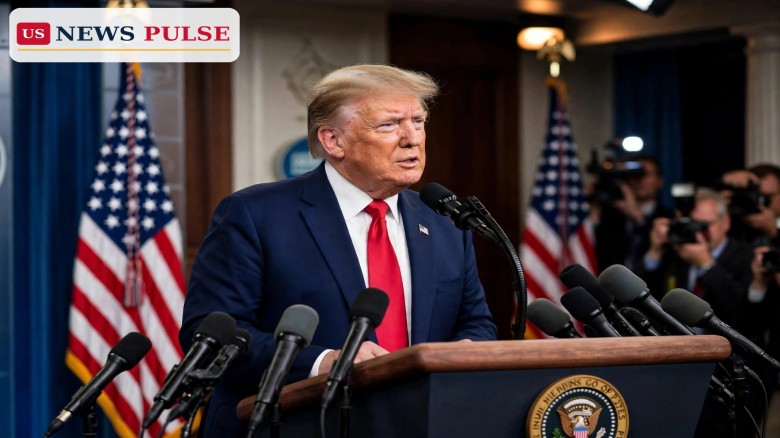
President Donald Trump has said he is "absolutely willing to accept" the results of the 2026 midterm elections and will work with Democrats, telling The New York Times on election night that cooperation, not confrontation, would follow the vote. "We'll work with the Democrats, and we'll, you know, look forward to working with them. We'll probably work something out," Trump said.
The interview took place on Tuesday, November 3, 2026, shortly before 10:30 p.m. ET, while Trump watched returns at the White House, as media projected a Democratic House win and a Senate challenge that would reshape his final two years in office.
Key Points
- President Donald Trump told The New York Times he is "absolutely willing to accept" the 2026 midterm results.
- Trump said he will work with Democrats, adding: "We'll probably work something out."
- The interview took place shortly before 10:30 p.m. ET on Tuesday, November 3, while Trump watched returns at the White House.
- Trump blamed Republican losses on his own absence from the ballot, saying Republicans would have won by a large margin if he had been on it.
- Trump said he had no regrets about endorsing candidates such as Senator Darline Graham in South Carolina and Texas Attorney General Ken Paxton, both of whom lost.
What Happened
Trump spoke to The New York Times as the election-night picture came into focus, with Democrats projected to take the House and the Senate battle still being counted.
"Absolutely willing to accept" was his reply, according to the Times, which first reported the interview. The remarks were then carried by Reuters and other outlets. Trump went further than mere acceptance, pledging to work with the party on course to control at least one chamber of Congress.
Background: From "If They're Honest" to Acceptance
Trump's election-night remarks marked a clear shift from his position before the vote. Speaking to reporters in late October, he had said he would respect the midterm results only "if they're honest elections," a condition that fuelled weeks of debate about whether he would accept a Democratic victory.
On election night, the condition was gone. There was no qualification attached to his answer, no claim about the conduct of the vote, and no suggestion that the results were in doubt.
The results themselves explained why the question mattered so much. Democrats were flipping seats that had long been out of reach. In Ohio, Democrat Sherrod Brown won back a Senate seat two years after losing re-election. In Texas, James Talarico stunned Ken Paxton, and in South Carolina, Annie Andrews defeated Darline Graham. Each race had tested Trump's endorsement power, and each went against him.
Trump Accepts Midterm Results: Blame and No Regrets
Trump also offered his own explanation for the Republican losses. He blamed them on his absence from the ballot, arguing that if he himself had been running, Republicans would have won by a large margin.
At the same time, Trump said he had no regrets about the candidates he backed. He specifically mentioned Senator Darline Graham in South Carolina and Texas Attorney General Ken Paxton, both of whom lost on Tuesday night. Graham, appointed to the Senate after the death of her brother Lindsey Graham, was beaten by Democrat Annie Andrews. Paxton, who had defeated Senator John Cornyn in a bitter primary runoff, lost to Democrat James Talarico in Texas. Trump stood by both endorsements even in defeat.
Reactions and Quotes
The most important quotes of the night were Trump's own, and they were strikingly brief. "Absolutely willing to accept," he told the Times when asked about the results. "We'll work with the Democrats, and we'll, you know, look forward to working with them. We'll probably work something out."
That brevity was the point. In past election cycles, Trump's post-election statements have sometimes stretched for days and generated their own controversies. This time, the message arrived within hours of the polls closing, in a single interview, and in language that left little room for reinterpretation.
What Trump did not do was also notable. He did not single out any race for dispute, did not question the counting in any state, and did not suggest that the outcome would be revisited.
Why It Matters
A president's acceptance of an election result is, in ordinary times, unremarkable. But after a campaign in which Trump had conditioned his acceptance on the elections being "honest," his unqualified election-night statement carried real weight. It removed the uncertainty that had surrounded the transfer of power in Congress and signalled that the incoming Democratic House majority would take its seats without a fight from the White House over the legitimacy of the vote.
The practical stakes are large. With Democrats projected to control the House, Trump will need Democratic votes for government funding and for any major legislation. His pledge to "work something out" with Democrats is therefore not just a courtesy — it is a description of how government will have to function for the next two years.
The remarks also matter for Trump's standing inside the Republican Party. By attributing the losses to his absence from the ballot rather than to his endorsements or his agenda, he preserved his argument that he remains the party's most powerful campaigner.
What Happens Next
Vote counting will continue in the coming days, and the final shape of Congress — including whether Democrats complete their challenge for the Senate — will become clear as the remaining races are called. The new Congress will take its seats in January, and the first tests of Trump's promised cooperation will come quickly, with government funding and the legislative calendar demanding action from a divided Washington.
Trump's own next moves will be watched just as closely. His election-night remarks set an expectation of engagement with Democrats; whether that translates into negotiations and deals remains to be seen.
Frequently Asked Questions
What did Donald Trump say about the midterm results?
Trump told The New York Times on election night that he is "absolutely willing to accept" the 2026 midterm results and that he will work with Democrats, saying: "We'll probably work something out."
When did Trump make the remarks?
The interview took place on Tuesday, November 3, 2026, shortly before 10:30 p.m. ET, while Trump was watching election returns at the White House.
How does this differ from what Trump said before the election?
Before the vote, Trump had said he would respect the results only "if they're honest elections." On election night, he gave an unqualified acceptance, with no condition attached.
Did Trump blame anyone for the Republican losses?
Trump blamed the losses on his own absence from the ballot, saying Republicans would have won by a large margin if he had been on it. He said he had no regrets about endorsing Darline Graham in South Carolina or Ken Paxton in Texas, both of whom lost.
What happens next after the midterm results?
Counting continues in the remaining races, and the new Congress takes its seats in January. With Democrats projected to control the House, Trump will need to negotiate with them on funding and legislation.
Leave a Comment