


 | Today's Date:





AI and Data Centres Swayed Most Midterm Voters, NBC Exit Poll Finds
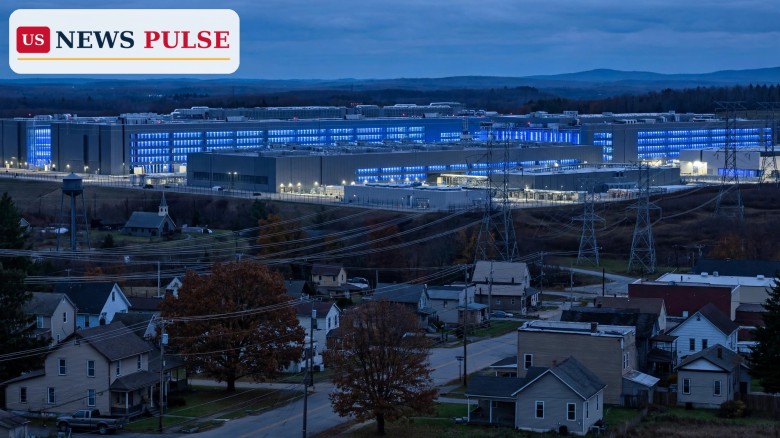
Washington, D.C. — Artificial intelligence and data centres mattered to most voters in the 2026 midterms, according to an NBC News exit poll reported on 4 November 2026. The AI and data centres midterm voters question found that 56% of voters called the issue a crucial or major factor in their vote for Congress, a striking result for a subject that rarely featured in national election polling only a few years ago.
Key Points
- 56% of voters called AI and data centres a crucial or major factor: 23% crucial and 33% a major factor.
- Voters in that group backed Democratic congressional candidates by 64% to 34% for Republicans.
- 57% said AI would do more to hurt society, against 24% who said it would do more to help and 18% who said neither.
- 76% opposed a new data-centre facility in their own community, against 24% in favour.
- On which party could better handle AI, 29% chose Democrats, 27% Republicans and 43% said neither party.
What Happened
NBC News reported the findings on Wednesday 4 November, a day after Americans voted in the 3 November 2026 midterms. The exit poll, conducted by SSRS for NBC News, ABC News, AP, CBS News, CNN, Fox News and MS NOW, used a national sample designed to include more than 75,000 voters, with results as of 12:30 a.m. ET.
The headline figure breaks down clearly: 23% called AI and data centres crucial to their congressional vote and 33% called them a major factor, while 31% called them a minor factor and 13% said they were not a factor at all. The partisan split is sharp. Voters in the crucial-or-major group backed Democrats by 64% to 34%, while voters who called the issue minor or no factor backed Republicans by 57% to 41%. The more the issue mattered, the more likely a voter was to support a Democrat for Congress.
Background/Context
Data centres are the physical backbone of modern artificial intelligence: vast buildings filled with computers that train and run AI systems, consuming large amounts of electricity and water and generating heat and noise. As AI companies race to build more capacity, proposals have multiplied across the United States, from Texas and Ohio to Virginia and the Midwest, often arriving with promises of jobs and tax revenue alongside concerns about power bills, land use and local control.
That expansion has produced a local backlash in many places. Residents near proposed sites have organised against projects they say will raise electricity costs or strain water supplies, while supporters argue the facilities bring investment and long-term tax income. Democrats in several competitive races campaigned against unchecked data-centre growth, linking it to household costs and corporate power, while Republicans have generally defended the build-out as a route to American technological leadership, even as voters in their own districts oppose specific local projects.
AI and Data Centres Became a Midterm Voting Issue
The poll also asked whether AI will do more to help society or more to hurt it. Some 57% said it would do more to hurt society, against 24% who said it would do more to help and 18% who said neither — a sceptical answer that cuts against the technology industry's presentation of AI as a productivity engine and a source of medical and scientific progress.
The most local question produced the strongest answer: 76% opposed a new data-centre facility in their own community, against 24% in favour. Opponents backed Democrats by 63% to 35%, while supporters backed Republicans by 72% to 27%. Yet trust remains thin for both parties: asked which party could better handle AI, 29% chose Democrats, 27% Republicans and 43% said neither party.
Reactions/Quotes
The results point to an opportunity for Democrats and a warning for Republicans, though neither party has yet claimed a full mandate on the subject. Democratic candidates who tied data centres to rising costs and corporate influence appear to have found an audience among the voters most concerned about the issue, given the 64% to 34% split among the crucial-or-major group.
For Republicans, the numbers suggest a communication problem rather than a settled rejection of AI itself: voters who did not rate the issue as important still leaned Republican, and supporters of local data centres backed Republicans widely. The challenge is to separate support for American AI leadership from support for any particular facility in any particular town, where opposition is strongest. For the industry, the 57% expecting more harm than help suggests public persuasion about AI's benefits has lagged behind the pace of construction.
Why It Matters
The exit poll matters because it turns a local planning dispute into a national political fact. When more than half of voters say an issue influenced their congressional vote, parties, donors and lobbyists pay attention, and policy follows. Expect data-centre regulation, electricity pricing, water use and AI oversight to feature far more prominently in the next Congress.
What Happens Next
The new Congress takes office on 3 January 2027, and its early agenda will test how seriously lawmakers take the poll. Watch for hearings on data-centre energy and water use, proposals on siting and community consent, and debates over AI regulation beyond voluntary industry standards. State legislatures, where many siting decisions are actually made, are likely to move first and fastest, while local fights over new proposals will continue regardless of Washington.
Frequently Asked Questions
What did the NBC exit poll find about AI and data centres?
It found 56% of voters called AI and data centres a crucial or major factor in their congressional vote: 23% crucial, 33% major, 31% minor and 13% not a factor.
Which party did voters concerned about AI and data centres support?
Voters in the crucial-or-major group backed Democrats by 64% to 34%, while voters calling the issue minor or no factor backed Republicans by 57% to 41%.
Do voters think AI will help or hurt society?
Some 57% said AI would do more to hurt society, 24% said more to help and 18% said neither.
How do voters feel about a data centre in their own community?
Some 76% opposed a new facility in their own community, against 24% in favour, with opponents leaning Democratic and supporters leaning Republican.
Was AI the most important midterm issue?
No. Corruption (90%), cost of living (89%), the Iran war (74%) and immigration enforcement (73%) ranked higher, and the economy was the single most important issue at 39%.
Read more: Democrats win Senate control in 2026 midterms, completing Congress sweep, Democrats' Senate sweep stalls Trump's judicial nominations drive and Harriet Hageman wins Wyoming's open Senate seat. Source: NBC News exit poll, reported 4 November 2026.
Image: An original illustration of a large data centre above a small American town at dusk, branded with the US News Pulse logo. Alt text: AI and data centres midterm voters: a large data centre glowing blue above a small American town at dusk.
Leave a Comment