


 | Today's Date:





Trump Vows to Keep Tariffs, Warns US Companies Face Duties of Up to 300%
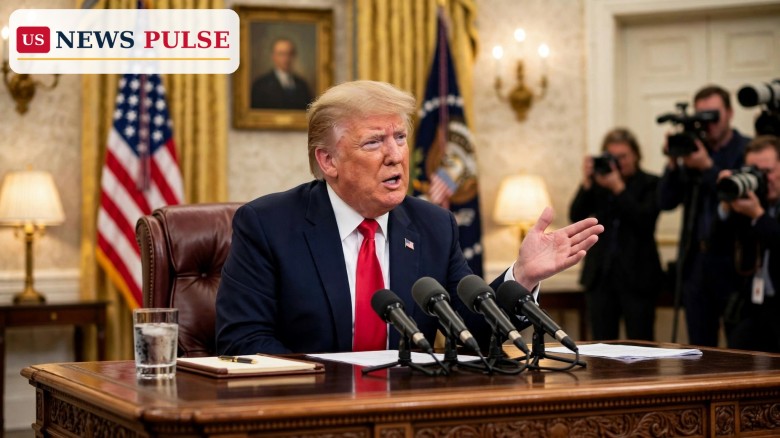
President Donald Trump said on Thursday, November 5, 2026, that he intends to keep his tariff policy in place and warned that foreign companies that refuse to build factories in the United States could face duties of "50%, 100%, 150%, 250%, even 300%".
The remarks, made to reporters in the Oval Office two days after Republicans lost both chambers of Congress in the November 3 midterm elections, were Trump's clearest signal yet that the defeat will not change the trade policy at the centre of his second-term agenda. He argued the tariffs are why companies are building factories in America and claimed more than 3,000 are now under construction. He gave no details on which goods or countries would face the maximum 300% rate, or when it would take effect.
Key Points
- Trump told reporters in the Oval Office on Thursday, November 5, 2026, that he will keep his tariffs; firms that do not build in the US could face duties of up to 300%.
- He claimed more than 3,000 factories are being built across the US, and said scrapping tariffs would halt that construction.
- He argued 99% of the reason firms build in the US is to avoid tariffs, and once a factory operates the firm no longer pays them.
- He gave no specifics on which goods or countries face the top rate, or when it would take effect.
- Democrats, led by incoming House Speaker Hakeem Jeffries, demand tariff removal, a direct clash with a president who says he will keep them.
What Happened
Asked about his tariff policy after an election in which his party lost the House and Senate, Trump was blunt: the tariffs are staying. Companies that do not build in the United States could face duties of "50%, 100%, 150%, 250%, even 300%", among the highest rates ever threatened by an American president.
Trump framed the tariffs as the engine of a factory-building boom: a firm that builds in America escapes the tariff, while one that keeps making goods abroad pays to sell into the US market. "You're going to see a lot over the next week or two," he said of executive orders over the next two years. The remarks came the same day he signed a proclamation designating the Oval Office interior as a national monument.
Background: Tariffs at the Centre of Trump's Economic Agenda
Tariffs have been the centrepiece of Trump's economic policy since he returned to the White House, used as a negotiating tool and a source of revenue. They have reshaped supply chains, raised costs for importers, and become one of the most contested issues in American politics. The landscape changed on November 3, when Democrats swept both chambers; incoming House Speaker Hakeem Jeffries and other Democratic leaders have demanded the tariffs be removed, arguing they drive up the cost of living. Read our earlier report on how Democrats gained trade power in the midterm sweep, and why tariff repeals face Trump's veto wall. Trump threatened a 300% rate before, at an Ohio rally on October 5, but the November 5 remarks are the first repeat since the midterm defeat, delivered from the Oval Office rather than a rally stage.
Trump Tariffs 300%: What the Warning Means for Foreign Firms
The warning is a choice rather than a single rate. A foreign firm that builds a factory in the United States and starts producing there would, in Trump's words, no longer pay tariffs at all. One that refuses would face duties up to 300%, a level that would make most imported goods uncompetitive. The stepped scale suggests different rates for different cases, but he did not say which industries, products or countries would sit at each level.
Trump named no country and no product, and gave no timetable. He said removing tariffs would leave the US importing again from China, Japan, South Korea and the Philippines. His factory claim is central: more than 3,000 factories are being built because of the tariffs, he said, a pattern recent announcements fit, including Audi weighing a $3 billion second phase for its Georgia plant, adding 3,000 jobs.
Reactions and Quotes
Trump's own words carried the day: "50%, 100%, 150%, 250%, even 300%." He insisted scrapping tariffs would halt the factory construction he says is under way, arguing "99% of the reason" firms build in the US is to avoid them. On prices, he argued bringing production home would eventually bring consumer prices down, a claim critics dispute. Democrats, led by Jeffries, demand tariff removal, arguing the duties raise the cost of living. No foreign government had publicly responded in the hours after the remarks.
Why It Matters
A 300% tariff would effectively price most affected imports out of the American market, forcing firms either to build in the United States, find another market, or pass enormous costs to buyers. For households, the argument cuts both ways: Trump says domestic production will eventually bring prices down, while critics say tariffs are already pushing prices up. Politically, the vow sets up a two-year confrontation: Democrats control both chambers and want the tariffs gone, while Trump holds the veto. Any repeal would need his signature or a two-thirds majority in both chambers, which Democrats do not have.
What Happens Next
Watch for the executive orders Trump promised: he said the public would "see a lot over the next week or two", and trade policy is the most likely subject. Any order naming specific goods, countries or rates would turn the broad warning into concrete policy. Democrats are expected to press for tariff removal once the new Congress is seated. In a separate trade development, Trump has said a US-Canada deal is near, with tariff-free Canadian fertiliser.
Frequently Asked Questions
What did Trump actually say about 300% tariffs?
In the Oval Office on November 5, 2026, he said firms that do not build factories in the US could face tariffs of "50%, 100%, 150%, 250%, even 300%", and that he intends to keep his tariff policy.
Which companies would face the 300% tariff?
Trump did not say. He gave no specifics on which goods or countries would face the top rate, or when it would take effect.
Why does Trump say tariffs bring factories to the US?
He claims more than 3,000 factories are being built across the country and argues 99% of the reason firms build in America is to avoid tariffs.
Can Democrats in Congress repeal the tariffs?
Democrats control both chambers and want them removed, but Trump can veto any repeal, and overriding it needs a two-thirds majority they do not have.
Did Trump threaten 300% tariffs before?
Yes, at a campaign rally in Ohio on October 5, 2026. The November 5 Oval Office remarks are the new post-midterm vow to keep the policy.
Leave a Comment