


 | Today's Date:


Ukraine, Russia and US Open First Trilateral Peace Talks in Nine Months in Abu Dhabi
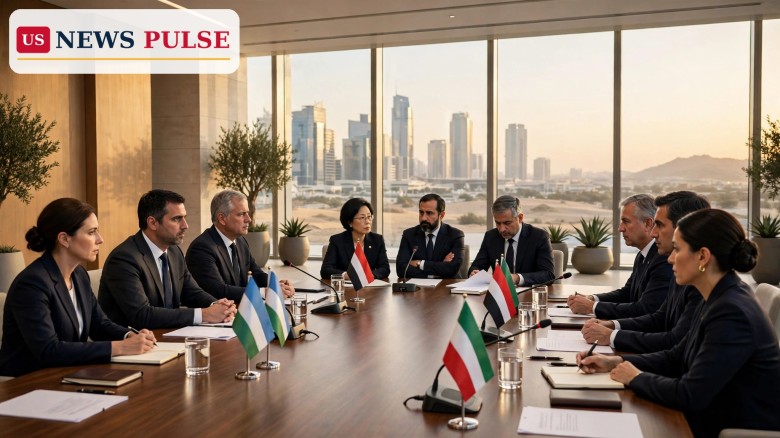
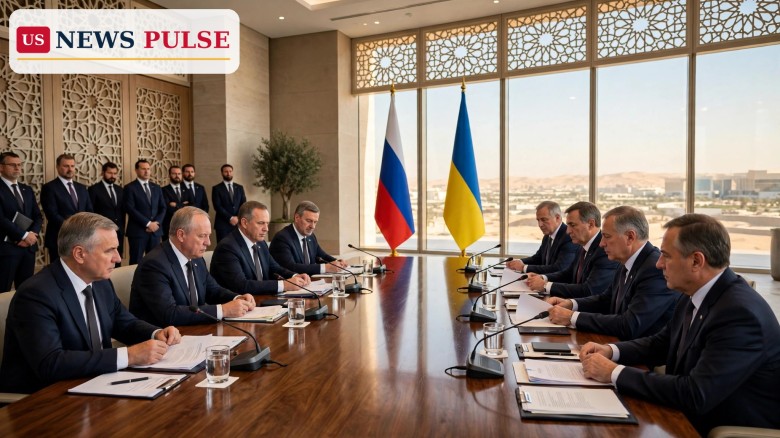
Ukraine, Russia and the United States opened Abu Dhabi peace talks on Tuesday, November 10, 2026, the first time negotiators from all three sides have sat down together in nine months. The two-day meeting began at 11:50 a.m. in the capital of the United Arab Emirates, with ending hostilities, security guarantees and a possible ceasefire at the top of the agenda.
The talks are the fourth round of trilateral negotiations since the format was created, but the first since February, when the delegations last met in Geneva. All three previous rounds ended without a significant breakthrough, and officials have played down expectations. Even so, the three delegations being in the same room again is the most serious diplomatic opening of the year.
Key Points
- Ukrainian, Russian and US delegations opened two days of trilateral peace talks in Abu Dhabi on Tuesday, November 10, 2026 — the first such meeting since February.
- The US team is led by special envoy Steve Witkoff and Jared Kushner; Ukraine's by foreign intelligence chief Rustem Umerov; Russia's by Kremlin aide Vladimir Medinsky.
- The agenda covers ending hostilities, security guarantees, de-escalation, humanitarian measures and post-war security arrangements.
- Kyiv hopes to discuss prisoner exchanges and a possible maritime and energy ceasefire; Moscow demands territorial concessions, including Ukraine's withdrawal from Donbas.
- European national security advisers met the Ukrainian and US delegations separately, while the Kremlin insists the main talks stay trilateral.
What Happened
The opening session began at 11:50 a.m. local time (0750 GMT), with the talks scheduled to run through Wednesday, November 11. The American delegation is led by Steve Witkoff, President Donald Trump's special envoy, and Jared Kushner, a senior adviser on the peace effort. Ukraine's team is headed by Rustem Umerov, the foreign intelligence chief, with Kyrylo Budanov, Serhii Kyslytsia, David Arakhamia and Vadym Skibitsky. Russia's delegation is led by Kremlin aide Vladimir Medinsky, joined by deputy foreign ministers Sergei Ryabkov and Mikhail Galuzin, military intelligence chief Igor Kostyukov and General Yury Zhigarlovsky.
Alongside the main table, European national security advisers from the United Kingdom, France, Germany and Italy, with NATO and EU officials, held separate meetings with the Ukrainian and American delegations. The Kremlin has insisted the main negotiations remain trilateral, with Europe involved only on the margins.
Background and Context
The trilateral format was created to give Washington a direct mediating role between Kyiv and Moscow, but it has produced little so far. The nine-month gap since Geneva reflects how far apart the two sides remained as fighting intensified. The war began with Russia's full-scale invasion of Ukraine in February 2022 and is now approaching its fifth year.
The talks open against a grim backdrop. In the days before the delegations arrived, Russia pounded Ukraine's power grid, leaving hundreds of thousands of people without electricity as winter approaches. There have also been signs of movement: in the run-up to Abu Dhabi, both sides showed flexibility on territory, the issue that has blocked every previous round, and France confirmed Europe will take part even if the Kremlin wants the core talks to stay trilateral.
What the Abu Dhabi Peace Talks Must Settle
The central question is territory. Moscow demands concessions, including Ukraine's withdrawal from the Donbas region in the east, where Russian forces control large areas. Kyiv has refused to surrender territory, saying no deal can be built on giving up land that Ukrainian soldiers have died defending.
Security guarantees are the second pillar. Ukraine wants firm, verifiable commitments that Russia will not attack again after any ceasefire — guarantees backed by the United States and European allies. Washington says its top priority is a deal that holds, but who would enforce any guarantee remains unresolved.
Kyiv also hopes to discuss prisoner exchanges and a possible maritime and energy ceasefire — a limited halt to attacks on shipping and power infrastructure that could bring immediate relief to civilians. The delegations are also expected to discuss post-war security arrangements and lay the groundwork for a possible leaders' summit, talked about for months but never arranged.
Reactions and Quotes
Speaking at the outset, Jared Kushner set out the American ambition for the two days. "The hope is to discuss how do we create the right security relationships between Ukraine and Russia and Europe," he said — putting Europe's role in the settlement on the table even as the Kremlin resists expanding the format.
Neither the Ukrainian nor the Russian delegation issued a public statement as the opening session began, and no joint communique was expected on the first day. European officials were more vocal about their separate meetings, stressing that any durable settlement needs European buy-in, since security guarantees cannot be written without the countries that would have to help enforce them.
Why It Matters
The return of trilateral talks after nine months matters because the alternatives have been exhausted. Direct Kyiv-Moscow talks stalled long ago, and the fighting has only intensified. Its revival signals that Washington believes a deal is possible — or at least worth one more serious attempt.
The timing matters too. Winter is approaching, and the attacks on Ukraine's energy grid showed how vulnerable civilians are to a war fought against power stations and heating plants. A maritime and energy ceasefire, if it can be agreed, would be the most immediate gain for ordinary Ukrainians.
What Happens Next
The talks continue on Wednesday, November 11, for their second and final scheduled day. Progress on prisoner exchanges or a limited ceasefire is likely to emerge first, where the sides have agreed before. If the two days produce enough common ground, the next step would be groundwork for a leaders' summit — though no date, venue or participants have been agreed. If they do not, the delegations will return home with the war continuing and the diplomatic track once again in doubt.
Frequently Asked Questions
Who is taking part in the Abu Dhabi peace talks?
Delegations from Ukraine, Russia and the United States. The US team is led by Steve Witkoff and Jared Kushner, Ukraine's by Rustem Umerov, and Russia's by Vladimir Medinsky. European advisers are meeting the Ukrainian and US sides separately.
What is on the agenda?
Ending hostilities, security guarantees, de-escalation, humanitarian measures and post-war security. Kyiv also wants prisoner exchanges and a possible maritime and energy ceasefire.
Why are the talks being held in Abu Dhabi?
The UAE has hosted previous rounds and is seen by all three sides as neutral. The last trilateral meeting was in Geneva in February, nine months ago.
What is the biggest obstacle to a deal?
Territory. Moscow demands concessions including Ukraine's withdrawal from Donbas, while Kyiv refuses to surrender land. Security guarantees — who provides them and how they would be enforced — are the other major sticking point.
What happens after the talks end on November 11?
If enough progress is made, work would begin on a possible leaders' summit. If not, the diplomatic track stalls again and the war continues into winter.
Read more: Russia and Ukraine show flexibility on territory ahead of Abu Dhabi peace talks; Ukraine-Russia peace talks set for Abu Dhabi on Nov 10-11 as US mediates; Russia pounds Ukraine's power grid before Abu Dhabi talks.
Leave a Comment