


 | Today's Date:




Texas Electricity Rate Freeze: Hinojosa Vows Day-One Emergency Order as Governor-Elect
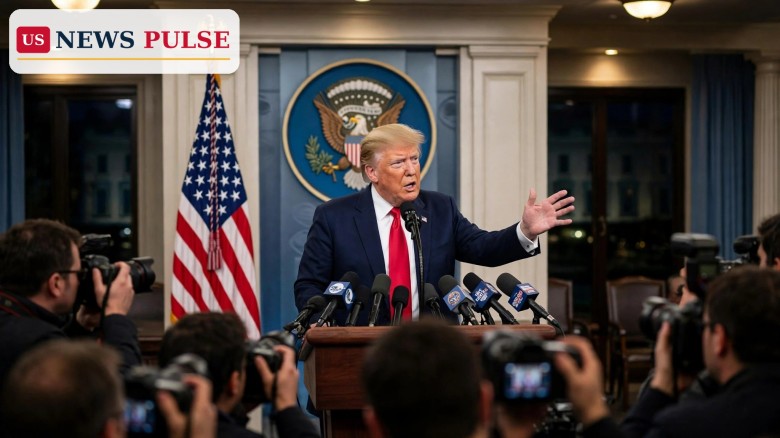
Texas governor-elect Gina Hinojosa plans to declare a "high-cost emergency" and freeze residential electricity rates on her first day in office, when she is sworn in on January 19, 2027. "On Day One as governor, I'll freeze residential electricity rates and make corporations finally pay their fair share," Hinojosa said, vowing to use an emergency executive order to hold household power bills steady. The plan, set out weeks before she defeated Governor Greg Abbott on November 3, has already raised a sharp question: can a governor legally override the competitive electricity market Texas has run for 25 years?
Key Points
- Gina Hinojosa plans to declare a "high-cost emergency" on her first day as governor and issue an emergency order freezing residential electricity rates.
- She told the Texas Tribune on October 30: "Within an hour of taking the oath of office, I will declare a high-cost emergency in the state of Texas and issue an emergency executive order to ... freeze electricity rates."
- The plan raises legal questions because Texas has run a competitive retail electricity market since 1999, with more than 100 retail providers.
- Nick Loris of the conservative coalition C3 Solutions expects energy providers to challenge the emergency declaration in court almost immediately.
- Hinojosa defeated Governor Greg Abbott on November 3, becoming Texas's first Latina governor and its first Democrat in the job since 1995.
What Happened
Hinojosa laid out the plan in an interview with the Texas Tribune on October 30, just days before the election, and has repeated it since. "Within an hour of taking the oath of office, I will declare a high-cost emergency in the state of Texas and issue an emergency executive order to ... freeze electricity rates," she told the Tribune. She has repeated the pledge since, including in an interview with a local energy data group.
The order would freeze the rates paid by residential customers across most of Texas. She has framed it as a response to bills she says have climbed beyond what working families can afford. But what it would do in practice remains unclear. Her office did not immediately respond to questions about how long it would last, how it would apply across more than 100 retail providers, or what would happen if it caused a shortage.
Background and Context
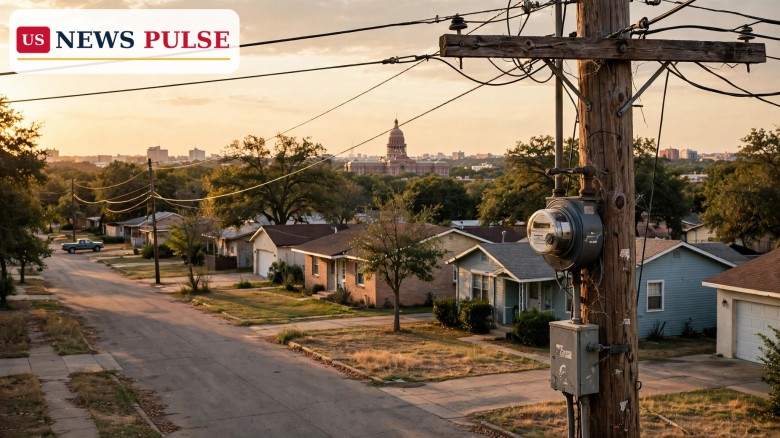
Texas deregulated its retail electricity market with Senate Bill 7 in 1999, opening the sale of power to competition in most of the state. More than 100 retail electric providers now compete for household customers, buying power in an energy-only wholesale market run by the Electric Reliability Council of Texas, known as ERCOT. Prices are set by supply and demand, and providers can pass wholesale costs through to customers.
Supporters say competition has kept prices in check and encouraged new generation; critics say it has left households exposed to sharp price swings. Hinojosa campaigned on the argument that the system has failed ordinary Texans, including a moratorium on new data centres she says are driving up demand and prices.
The Texas Electricity Rate Freeze and the Legal Questions Around It
The biggest question is whether a governor can freeze electricity prices by emergency order at all. Texas law gives the governor broad powers to declare a disaster, but critics argue high electricity prices, however painful, are not the kind of disaster the Texas Disaster Act was written for, and that a freeze would clash with the competitive market created in 1999.
Nick Loris, president of the conservative coalition C3 Solutions, expects energy providers to challenge the emergency declaration in court almost immediately, and doubts courts will accept high prices as grounds for a disaster declaration. Critics also warn that if a freeze holds retail prices below wholesale costs, suppliers could struggle to cover their costs. Hinojosa's office has not said what safeguards would apply, or whether providers would be paid to cover the gap.
Reactions and Quotes
Hinojosa has not softened the pledge since making it. Her day-one framing, repeated in more than one interview, leaves little room for delay: the emergency declaration and the freeze would come within an hour of her taking the oath. "On Day One as governor, I'll freeze residential electricity rates and make corporations finally pay their fair share," she said, a line that has become one of the most quoted of her campaign.
The response from the energy world has been sceptical. Loris's warning reflects a wider view that the order would face a legal challenge before it had been in force for a day. For now the debate is being fought in statements and interviews: no lawsuit has been filed and no order has been issued.
Why It Matters
The plan matters because it would be the most direct intervention in the Texas electricity market since 1999. A freeze would touch nearly every household in the state, setting the price millions of Texans pay for power by executive order rather than by the market. If it survives in court, it would break with a system that has defined Texas energy policy for a generation.
It also signals how Hinojosa intends to govern. Choosing the freeze as her first act tells Texans that household costs come before caution, and that she will test the limits of her emergency powers to deliver a campaign promise. Whether the courts agree will shape not only energy policy but the reach of the governor's office itself.
What Happens Next
Hinojosa will be sworn in on January 19, 2027, and the freeze, if she follows through, would be declared within an hour of the oath. The first test would come almost immediately: energy providers are expected to ask a court to block the order, and a judge would have to decide quickly whether a high-cost emergency is a lawful basis for a price freeze under the Texas Disaster Act.
Until then, the details matter. How long the freeze would last, which customers it would cover, and what would happen if suppliers could not cover their costs are all still unanswered. The answers will decide whether the freeze is a workable policy or a promise that collapses on contact with the market and the courts.
Frequently Asked Questions
What is Gina Hinojosa planning to do about electricity rates?
She plans to declare a "high-cost emergency" on her first day as governor and issue an emergency executive order freezing residential electricity rates in Texas.
When would the freeze take effect?
She told the Texas Tribune she would act "within an hour of taking the oath of office" when sworn in on January 19, 2027.
Why is the plan controversial?
Texas has run a competitive retail electricity market since Senate Bill 7 in 1999. Critics say a freeze could clash with that system and cause shortages if suppliers cannot cover costs.
Will the freeze be challenged in court?
Almost certainly. Nick Loris of C3 Solutions expects energy providers to challenge the emergency declaration in court almost immediately.
Related coverage: Texas Data Centres: Hinojosa Says State Is Done Until Further Notice, Houston Mayor Orders Police to Stop Alerting ICE During Traffic Stops in Texas and Ted Cruz Warns Republicans Could Lose Every Statewide Race in Texas.
Leave a Comment