


 | Today's Date:





Microsoft Warns Trump: Chinese Optical Transceiver Ban Could Stall AI Buildout
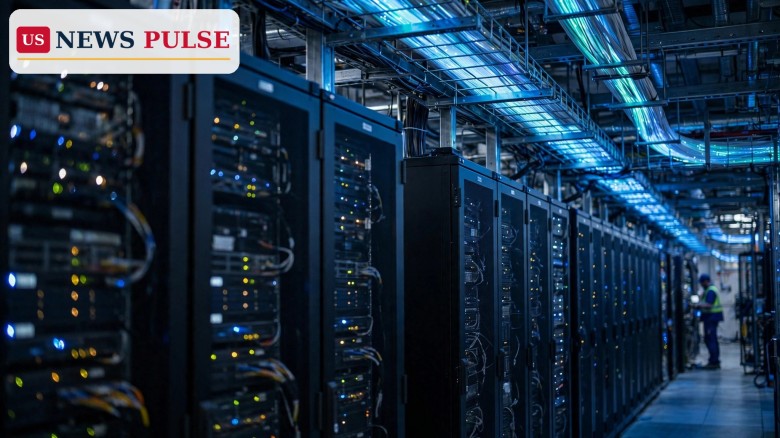
Microsoft has been pressing the Trump administration to scrap plans to bar imports of Chinese-made optical transceivers, warning that a Chinese optical transceiver ban could slow America's artificial intelligence data centre buildout as Washington races China for AI dominance, Reuters reported on Tuesday, November 10, 2026.
Key Points
- Microsoft is lobbying the Trump administration to halt a planned ban on Chinese optical transceivers, which carry data over fibre-optic cables inside AI data centres.
- The administration first signalled the ban in August 2026, with the FCC working on it over fears Beijing could use the parts to steal data, plant malware or disrupt US data centres.
- Microsoft has 35 data centres under construction in the US and 134 more planned, according to Cleanview market-intelligence data.
- Chinese firms hold about two-thirds of the global transceiver market, including Eoptolink and Zhongji Innolight, and some data centres need millions of the components.
- US makers cannot replace Chinese supply: Coherent said its 2027 production is "basically booked out", with customers now booking for 2028.
What Happened
Three people familiar with the situation told Reuters Microsoft has been urging the administration to drop the planned import ban. The company was one of a handful of firms that met White House science and National Security Council officials in September to flag the supply-chain risk. Microsoft declined to comment on the report.
The administration first signalled the ban in August 2026, and the FCC has been working on the measure since then. The Information Technology Industry Council sent a letter to the FCC on August 13 urging it to refrain from adding transceivers to a trade blacklist, and in September a bipartisan group of US lawmakers introduced legislation to bar the federal government from equipping sensitive government systems with Chinese-made optical transceivers. Morgan Stanley said in an October client note that the administration was considering barring transceivers capable of 3.2 terabits per second, not expected to ramp up until 2028, with widespread installation in 2029.
Background and Context
Optical transceivers are small devices that convert electrical signals into pulses of light so data can move across fibre-optic cables at the speed of light, and back again. Every AI data centre is a maze of fibre linking thousands of servers and processors, and each connection needs one. A single large data centre can need millions, and the newest AI facilities need the fastest versions available.
That scale is why the supply question matters. Chinese firms hold about two-thirds of the global market, according to Counterpoint Research, led by Eoptolink and Zhongji Innolight. Their dominance grew as Chinese manufacturers scaled up faster and more cheaply than rivals. American makers, including Coherent, produce high-quality transceivers at far smaller volumes, and their order books are already full.
Chinese Optical Transceiver Ban Puts the AI Race at Risk
The heart of Microsoft's argument is timing. With 35 data centres under construction and 134 more planned, the company is one of the largest builders of AI infrastructure in the country, each facility depending on a steady flow of transceivers. A sudden ban would force Microsoft and its rivals to compete for a much smaller pool of non-Chinese supply just as demand surges.
John Miller, general counsel of the Information Technology Industry Council, put the industry's warning bluntly, saying a ban "really threatens to arguably grind (the data centre rollout) to a halt". Opponents argue it could irreparably damage the US edge over China in the AI race, not by handing Beijing a technological advantage, but by slowing American construction while Chinese building continues unimpeded.
Reactions and Quotes
His trade group has been the industry's main channel to the FCC, and its August 13 letter asked the regulator to keep transceivers off the trade blacklist while the security questions are worked through. Coherent chief executive Jim Anderson gave the supply picture in plain commercial terms, saying on November 4 that calendar 2027 is "basically booked out" and that customers are now booking for 2028.
Microsoft itself declined to comment, and the administration has not commented publicly on the status of the planned ban. In Congress, a September bipartisan bill would take a narrower approach, barring Chinese-made transceivers only from sensitive government systems rather than the entire US market, a distinction the industry hopes the administration will adopt.
Why It Matters
The dispute captures a tension at the centre of US technology policy: the government that wants to win the AI race also wants Chinese components out of the infrastructure that race depends on. Microsoft's scale makes the stakes concrete: the company overtook Nvidia as the world's second-most valuable company on Tuesday, November 10, 2026, as investors weighed the same AI spending outlook the transceiver debate now threatens.
For the wider AI economy, the timing could hardly be worse. Investment in AI infrastructure is running at record levels, with startups such as Fal raising $1.3 billion to expand computing capacity and cloud providers racing to add more. A component shortage would raise costs across that boom, and Microsoft's own AI reorganisation, which saw its AI Frontiers group wound down this week, shows the same urgency.
What Happens Next
The immediate question is what the FCC does next. The regulator has been working on the ban since August, and the industry's lobbying, including Microsoft's September meetings with White House officials, is aimed at stopping the measure before it is finalised. The narrower congressional bill points to a possible compromise: restricting Chinese transceivers in sensitive government systems while leaving commercial data centres free.
Supply will be the binding constraint either way. With Coherent's 2027 production already booked out and the fastest 3.2-terabit-per-second models not expected to ramp up until 2028, non-Chinese makers would need years to scale up. Watch for comment from the White House or the FCC, movement on the September bill, and signs other large operators are joining Microsoft's lobbying.
Frequently Asked Questions
What is an optical transceiver? A small device that converts electrical signals into light pulses so data can travel over fibre-optic cables, and converts them back at the other end. Data centres use them by the millions to connect servers and AI chips.
Why does the Trump administration want to ban Chinese optical transceivers? Washington fears Beijing could use Chinese-made components inside US data centres to steal data, install malware or disrupt service. The FCC has been working on the ban since August 2026.
Why is Microsoft opposing the ban? Microsoft says the ban could slow the US AI data centre buildout because Chinese firms supply about two-thirds of the world's transceivers, a volume American makers cannot replace. The company has 35 data centres under construction in the US and 134 more planned.
Can American companies make enough transceivers instead? Not quickly. Coherent, a leading US maker, said its 2027 production is "basically booked out" and customers are now booking for 2028. Scaling up non-Chinese production to the required volumes would take years.
What happens next? The FCC is still working on the measure, and Microsoft and other industry groups are lobbying to stop it or narrow it. Congress is also considering a bipartisan bill that would bar Chinese transceivers only from sensitive government systems, rather than a broad import ban.
Leave a Comment