


 | Today's Date:



John Thune Reelected Senate Republican Leader Unopposed After Midterm Losses
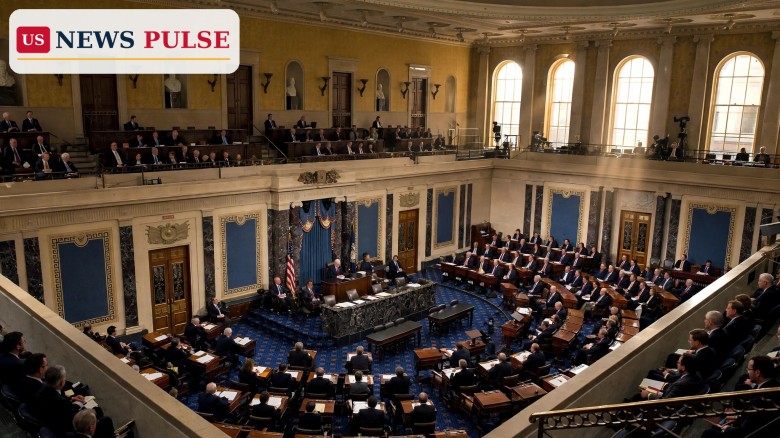
Senate Republicans reelected John Thune as their leader on Tuesday, handing the South Dakota senator an unopposed second term at the top of the conference even as the party absorbed one of its worst midterm defeats in years and a small band of rebels tried to delay the vote.
The secret-ballot election, held in the Old Senate Chamber, ended a day of closed-door meetings and public recriminations over the party's losses in the November 3 midterms, when Democrats won at least 54 Senate seats and flipped the chamber. Thune, who succeeded Mitch McConnell as Republican leader in early 2025, will now lead his party into the minority when the new Congress convenes on January 3, 2027.
Key Points
- Senate Republicans reelected John Thune as their leader in an unopposed secret-ballot vote on Tuesday, November 10, 2026.
- A push by seven Republican senators to postpone the leadership elections failed, and the vote went ahead on schedule.
- Sen. Ron Johnson of Wisconsin threatened to walk out if the vote was held, but ruled out challenging Thune himself.
- Republicans lost at least seven Senate seats in the November 3 midterms; two races in Alaska and Mississippi remain uncalled.
- Thune promised a “very fulsome, robust conversation” about the party's direction before Democrats take control in January.
What Happened
The vote came after a day of closed-door meetings that underscored how raw the party's divisions remain a week after the election. Senators gathered in the morning in the Old Senate Chamber, the ornate room where the Senate met until 1859, for a session that lasted about two hours. They left without a decision and reconvened in the afternoon, when the secret ballot was held.
Thune faced no challenger. Bloomberg Government reported the result on Tuesday evening, citing a spokesperson, Ryan Wrasse, who confirmed the reelection. The lack of an opponent was striking given the scale of the defeat: Republicans lost at least seven seats on November 3, handing Democrats control for the first time since 2021.
The effort to delay the vote had been organised in advance. A coalition of Republican senators wrote to Conference Chairman Tom Cotton of Arkansas asking him to postpone the elections, arguing the conference needed time to reckon with the midterm results before choosing its leaders. Seven senators signed a letter calling a rushed vote “political malpractice”, and Johnson gathered the five signatures needed to force a Tuesday-morning meeting of the full conference on the losses. But delaying the elections required majority support, and the effort never came close to it.
Johnson, the Wisconsin senator who had become the public face of the delay campaign, told the Washington Examiner in a Monday interview that he would walk out if the elections went ahead. “If you hold the election, I'll leave the room. I'm not going to participate in elections for leadership tomorrow,” he said. But he also made clear he had no interest in the job himself: “I don't think so. It's not my intention. I don't want to be leader.”
Background: A Party Reckoning After the Midterms
Thune took over the Republican leadership from McConnell in early 2025, inheriting a conference that had just returned to the majority alongside President Donald Trump's second term. For nearly two years he steered the Senate through the administration's agenda, including a bruising shutdown fight and a bitter battle over the filibuster.
The November 3 midterms changed everything. Democrats won at least 54 seats, a swing of seven or more, and will take the majority when the new Congress is sworn in. Johnson blamed the losses on the war with Iran, tariff uncertainty, and the failure to keep the MAHA movement inside the Republican fold.
John Thune Reelected: What the Unopposed Vote Signals
An unopposed reelection after a defeat of this size sends a clear message: Senate Republicans wanted stability more than a reckoning, at least for now. Thune's critics were vocal, but none of them was willing to put a name on a ballot against him, and the senators who signed the delay letter stopped short of backing an alternative candidate.
That reluctance is also a measure of the job itself. Leading a minority conference means managing decline — fewer committee gavels, less control of the floor, and a constant battle to keep a divided caucus together. Few senators want to own that assignment.
Reactions
Thune struck a conciliatory note as the meetings began, promising a wide-ranging discussion of the party's future rather than a quick vote. His allies argued a swift, clean election would let the conference move on to rebuilding.
Johnson was the loudest dissenting voice. He called holding the vote so soon after the midterms “obnoxious”, and Senator Mike Lee backed the delay, writing that Republicans had “no business holding Senate Republican leadership elections” until they had discussed what happened.
Why It Matters
The vote decides who speaks for Senate Republicans in the minority — who negotiates with the Democratic majority, frames the party's opposition, and rebuilds the operation for 2028, when the Senate map should be far friendlier to Republicans.
It is also a first read on the party's mood after the midterms. A contested election, or even a successful delay, would have signalled open revolt against the leadership. Instead, Republicans chose continuity, betting Thune's experience matters more than a change of face.
What Happens Next
Democrats are expected to hold their leadership election in December, with the new Congress convening on January 3, 2027. Thune will formally become minority leader that day, holding the post he has occupied since early 2025, but from the other side of the aisle.
Before then, the two uncalled Senate races in Alaska and Mississippi will be resolved, and the results could further reduce the Republican conference. Thune's promised conversation about the party's direction will continue in the coming weeks.
Frequently Asked Questions
Who is John Thune?
John Thune is the Republican senator from South Dakota and the Senate Republican leader since early 2025, when he succeeded Mitch McConnell. He was reelected to the post unopposed on November 10, 2026.
Was the leadership vote unanimous?
Thune faced no challenger in the secret ballot, and the conference did not release a vote tally. The result was confirmed by a spokesperson, Ryan Wrasse.
Why did some senators want to delay the vote?
Seven senators argued the conference should discuss the midterm losses before choosing its leaders, calling a rushed vote “political malpractice”. Delay required majority support, which the campaign never had.
When do Democrats take control of the Senate?
Democrats, who won at least 54 seats in the November 3 midterms, take control when the new Congress convenes on January 3, 2027. Thune will then lead Senate Republicans as minority leader.
What about the two uncalled Senate races?
The races in Alaska and Mississippi remain uncalled, and their outcomes could further reduce the size of the Republican conference in the new Senate.
Related coverage: Ron Johnson Threatens Senate Walkout Over GOP Leadership Vote on Tuesday, Senate Passes $70 Billion ICE and Border Patrol Budget Plan in 50-48 Vote, and Trump Immigration Tax Talks Offered to Democrats After Midterm Losses in Florida.
Leave a Comment