


 | Today's Date:


Iran Security Chief Rezaei: No US Talks Under Way, Hormuz Stays Shut Until Demands Met
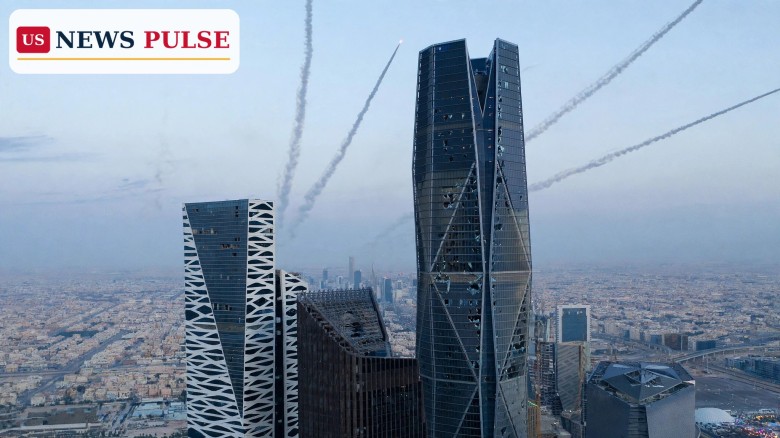
Iran's security chief says no negotiations are under way between Tehran and Washington, calling reports of continuing US-Iran talks "pure lies and fabrications" and warning that the Strait of Hormuz will stay closed until the United States meets seven Iranian conditions. Mohsen Rezaei, secretary of Iran's Supreme National Security Council, delivered the denial in an interview on Tuesday, November 10, 2026, contradicting days of optimistic signals from Washington that a deal to end the war was within reach.
Key Points
- Who said it: Mohsen Rezaei, secretary of Iran's Supreme National Security Council, to Al-Mayadeen on Tuesday, November 10, 2026.
- The denial: "No negotiations are currently underway" between Iran and the United States, Rezaei said, calling reports of continuing talks "pure lies and fabrications".
- The meeting that is not happening: Rezaei denied reports he was due to meet Vice President JD Vance in Doha, calling them "completely untrue and baseless".
- The price of reopening Hormuz: Seven conditions, including sanctions relief, an end to the naval blockade, release of frozen assets, compensation for war damage and an end to hostilities on all fronts.
- The strait stays shut: "The Strait of Hormuz will not be opened unless these conditions are implemented," Rezaei said.
What Happened
Rezaei spoke to Al-Mayadeen on Tuesday, November 10, 2026, and left no room for interpretation. Asked about contacts between Tehran and Washington, he said plainly that no negotiations are currently under way, dismissing reports of talks continuing behind the scenes — and of his own planned meeting with Vice President JD Vance in Doha — as inventions.
Rezaei said the reports were fabricated to ease economic pressure on Tehran and push oil prices down. Iran presented its seven conditions through Qatari mediators in September, under a June interim agreement, he said, and Washington's initial response was "not sufficient" and "deceptive". Tehran is still awaiting a "frank and clear" answer, which Washington might yet provide.
Foreign Minister Abbas Araghchi also dismissed the reported meeting. The denial came a day after President Donald Trump met Qatari Prime Minister Sheikh Mohammed bin Abdulrahman al-Thani, the mediator, at the White House on Monday, November 9.
Background and Context
The denial lands in the ninth month of the US-Iran war, which began on February 28, 2026. On Monday, November 2, Vice President Vance said the United States had made "progress" in talks with Iran and that he and Trump "both feel pretty good about the prospects for potentially coming to a negotiated settlement". Asked whether Iran had a deadline before strikes resume, Vance answered: "No, we haven't set deadlines."
Vance also confirmed he had sent a letter to Rezaei the previous week — a letter Trump said dealt with medical supplies, while Rezaei called the changed American tone a good sign. The same day, Trump said at the Lincoln Memorial Reflecting Pool reopening that a deal was "coming together very nicely". Oil prices fell sharply on November 2 on hopes of a diplomatic end to the war.
Rezaei's conditions go well beyond the nuclear question. Alongside sanctions relief, an end to the naval blockade and the release of frozen assets, Tehran demands compensation for war damage and an end to hostilities on all fronts, including Israeli operations in Lebanon. The Foreign Ministry has presented a revised timetable: US measures on day one, the strait reopening on day two and nuclear talks after that.
Strait of Hormuz Stays Shut as Iran Holds Its Seven Conditions
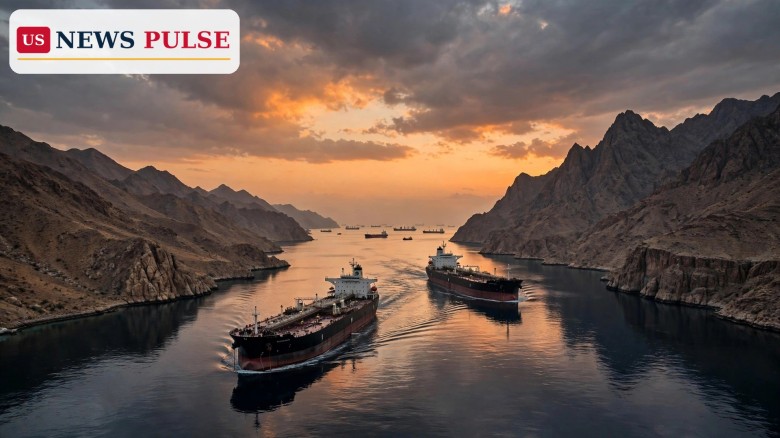
The Strait of Hormuz is the narrow waterway carrying about a fifth of the world's traded oil, and its closure has been Iran's strongest card in the war. Shipping through the strait has been repeatedly attacked, keeping insurance costs high and shipowners wary even when diplomacy looked promising.
Rezaei tied the strait's fate directly to the seven conditions. Until Washington acts on them, the waterway stays closed, removing the quickest route to lower oil prices and steadier shipping. The message is aimed as much at the markets as at Washington: in Tehran's telling, the reports of an imminent deal were designed to bring prices down without Iran giving anything up.
Reactions and Quotes
Rezaei's own words were the story. "No negotiations are currently underway," he told Al-Mayadeen, calling the reports of talks "pure lies and fabrications" and the reported Doha meeting with Vance "completely untrue and baseless". On the strait: "The Strait of Hormuz will not be opened unless these conditions are implemented."
The contrast with Washington's tone could hardly be sharper. Trump said on November 2 that a deal was "coming together very nicely". Araghchi backed Rezaei, leaving the two governments describing the same diplomacy in opposite terms.
Why It Matters
First, the denial exposes a credibility gap at the heart of the diplomacy. If Washington believes talks are advancing and Tehran says none are happening, at least one side is misreading the state of play, and any deal announced on that basis would rest on shaky ground.
Second, it confirms that the Strait of Hormuz remains Iran's main leverage. By tying reopening to sanctions relief, an end to the blockade, frozen assets, compensation and a wider ceasefire, Tehran has set a price far beyond the nuclear file.
Third, it cools the market optimism that followed Washington's upbeat signals. Oil had fallen on hopes of a deal; with Tehran now saying no deal is in the works, that support for lower prices is gone, and Gulf shipping stays under threat while the war continues.
What Happens Next
The immediate question is whether Washington gives Tehran the "frank and clear" answer Rezaei said it was waiting for. Rezaei left the door open, saying the United States might still provide one, and Iran's revised timetable — American measures on day one, the strait reopening on day two — shows Tehran has a sequence in mind if Washington moves.
Qatari mediation stays central: Trump met the Qatari prime minister the day before the denial, and Doha has carried messages since September. If the Americans respond with concrete steps, the timetable could move fast. If not, the strait stays shut and the war grinds into its tenth month.
Frequently Asked Questions
Who is Mohsen Rezaei? The secretary of Iran's Supreme National Security Council, who received Vice President Vance's letter last week.
What did Rezaei actually say? That "no negotiations are currently underway" between Iran and the United States, and that reports of continuing talks are "pure lies and fabrications".
Was he supposed to meet JD Vance in Doha? Reports said such a meeting was planned, but Rezaei called them "completely untrue and baseless", and Araghchi dismissed them too.
What are Iran's seven conditions? Sanctions relief, an end to the naval blockade, release of frozen assets, compensation for war damage and an end to hostilities on all fronts, including Israeli operations in Lebanon.
When will the Strait of Hormuz reopen? Only once Iran's conditions are implemented, Rezaei said. Tehran proposes US measures on day one, the strait reopening on day two and nuclear talks after that.
Read more: Vance: US-Iran talks making progress, no deadline for a deal | FBI adds IRGC operative Poursafi to Most Wanted Terrorists list | Treasury chief Bessent moves to military base after Iranian threats
Leave a Comment