


 | Today's Date:





Experian Data Moved 200,000 Mississippi Voters to Inactive Status - US News Pulse
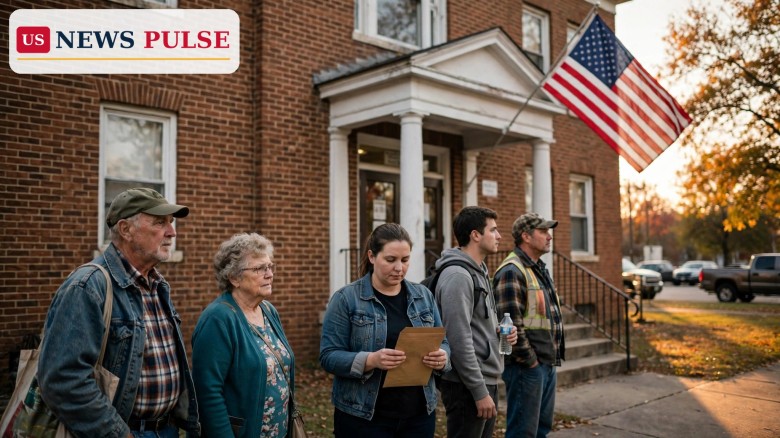
Faulty credit data from Experian moved more than 200,000 Mississippi voters to inactive status before Election Day, forcing tens of thousands to cast affidavit ballots instead of regular ones — and those provisional votes may now decide one of the last uncalled Senate races in the country.
The race between Democrat Scott Colom and Republican Senator Cindy Hyde-Smith is still uncalled. Colom led by about 2,500 votes as of Sunday afternoon, and counties must certify results by Friday, November 13. Officials have processed 11,202 affidavit ballots, accepting roughly 78 percent and rejecting about 2,450.
Key Points
- More than 200,000 Mississippi voters — about one in nine — were moved to inactive status before Election Day on Experian credit data.
- Tens of thousands had to cast affidavit ballots; counties have processed 11,202, accepting about 78 percent.
- The Colom-Hyde-Smith Senate race is still uncalled, with Colom ahead by about 2,500 votes.
- TrueTrace builds a “best address” from consumer activity and does not verify residency, Experian told federal officials.
- Mississippi stopped using Experian data on November 6 and switched to vendor IDI Data.
What Happened
The problem began with a decision made more than a year ago. In July 2025, Mississippi Secretary of State Michael Watson announced a partnership with Experian to use its commercial credit data to verify voters' addresses — replacing decades of reliance on Postal Service change-of-address data.
In the weeks before Election Day on November 3, 2026, the new system produced a surge of inactivations. Mississippi Today reported more than 230,000 voters statewide were inactive, about one in nine, on unverified data. DeSoto County lost over 15,000 voters from active status between the primary and the general, Jackson County had 14,063 inactive, and Harrison County had 28,921.
Voters arriving at the polls found themselves listed as inactive and were handed affidavit ballots, also known as provisional ballots. The Mississippi Votes hotline took at least 230 calls from voters forced onto affidavit ballots, about 170 on Election Day. Election-law expert Thessalia Merivaki said eligible voters were wrongly inactivated and never got the mail alert.
Background: The Experian Partnership
States regularly clean their voter rolls, removing people who have died or moved away, and for decades the standard tool was the Postal Service's national change-of-address list. Watson's office said the Experian partnership would modernise that work, using its consumer records to spot movers.
But Experian's TrueTrace was never designed to settle where a person legally lives. Experian told the US Election Assistance Commission that TrueTrace generates a “best address” from consumer activity and does not verify residency. Credit files can carry old or wrong addresses. Mississippi had already sued Experian over data flaws before the partnership began.
Watson defended the inactivations as a “cornerstone of election integrity” and said counties must verify the data first. On November 6, the state stopped providing Experian data and switched to vendor IDI Data.
Experian Mississippi Voters: How Bad Credit Data Moved 200,000 Off the Active Rolls
Being moved to inactive status does not remove a person from the rolls, but it changes how they vote. An inactive voter is given an affidavit ballot, counted only if officials later confirm the voter's eligibility and address. That extra step is where the damage shows: of the 11,202 affidavit ballots processed so far, about 2,450 have been rejected.
Rankin County election commissioner Tonya Rivers called the credit data “nowhere near correct information”. Merivaki said the pattern pointed to eligible voters being wrongly inactivated, with mailed warnings going to addresses where they no longer live — or never lived.
The errors were not evenly spread. Harrison County, on the Gulf Coast, had nearly 29,000 inactive voters. DeSoto County, in the Memphis suburbs, lost more than 15,000 from active status between the primary and the general election. Jackson County had more than 14,000. In a race decided by roughly 2,500 votes, those counties' affidavit ballots alone could settle the outcome.
Reactions
Voting-rights advocates say the episode shows the danger of using commercial data to decide who can vote. The Mississippi Votes hotline heard from people who had voted at the same address for years and suddenly got a provisional ballot.
Both campaigns have assembled legal teams ahead of certification. Hyde-Smith's lawyers have asked officials to segregate affidavit ballots and preserve records, while Colom's lawyers called that request unlawful. The duelling letters, sent on Thursday, set up a fight over how they are counted.
Watson's office has not conceded the data was at fault. The secretary of state has maintained that counties must verify the information before changing a voter's status.
Why It Matters
The Senate seat carries historic weight. If Colom holds his lead, he would become Mississippi's first Democratic senator in nearly 40 years and its first Black senator since Reconstruction. The Senate majority is already settled — Democrats won at least 54 seats — and the party also cleared 250 House seats, but every seat shapes the margin in a chamber that will decide confirmations, spending and the next Congress's agenda.
The episode also matters well beyond Mississippi. Other states are watching whether credit data can safely maintain voter rolls, and the Election Assistance Commission now has Experian's own description of TrueTrace on record: a product that guesses a best address and does not verify residency. If one in nine voters can be inactivated on that basis, administrators everywhere will face questions about their own data.
What Happens Next
Counties must certify results by Friday, November 13, and the affidavit ballots still under review will be central to that process. The roughly 2,450 rejected so far, and any further rejections, are likely to draw legal challenges from one or both campaigns.
Mississippi has already moved on from Experian, switching to IDI Data on November 6, once the scale of the inactivations was clear. What remains unresolved is whether voters wrongly inactivated before Election Day will have their ballots counted, and whether federal officials or Congress will examine how a credit bureau's files came to decide who voted normally and who voted provisionally in a Senate race.
Frequently Asked Questions
How many Mississippi voters were affected by the Experian data?
More than 200,000 voters were moved to inactive status, and Mississippi Today reported more than 230,000 inactive statewide — about one in nine.
What is an affidavit ballot?
An affidavit ballot, also called a provisional ballot, is given to a voter whose eligibility cannot be confirmed at the polls. It counts only if officials later verify the voter is eligible and registered at the right address.
Why did Experian's data cause the problem?
TrueTrace builds a “best address” from consumer activity, and the company told federal officials it does not verify residency. That can produce old or wrong addresses for voters who never moved.
Will the affidavit ballots decide the Mississippi Senate race?
Very likely. Colom leads Hyde-Smith by about 2,500 votes, and thousands of affidavit ballots are still being reviewed ahead of the November 13 certification deadline.
Is Mississippi still using Experian data?
No. The state stopped providing Experian data to counties on November 6 and switched to another vendor, IDI Data.
Leave a Comment