


 | Today's Date:
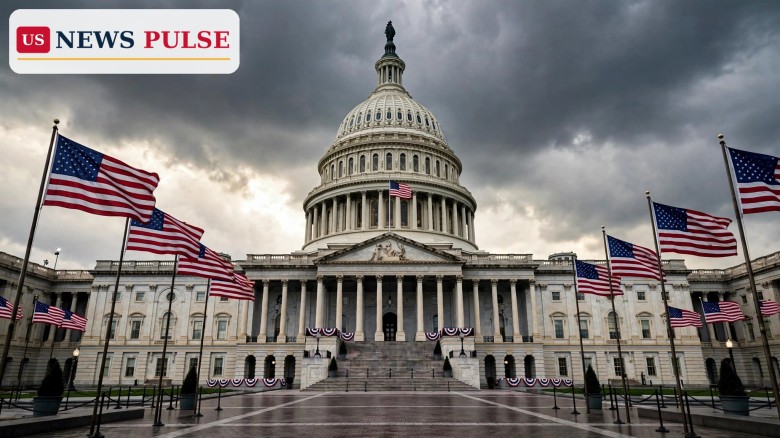
UN Postpones US Human Rights Review to January 2027 After Second Snub in Geneva
The United Nations has formally pushed back the UN human rights review of the United States until January 2027, after Washington stayed away from its own examination for the second year in a row. The UN Human Rights Council adopted the postponement without a vote on Tuesday, November 10, 2026, saying the review cannot go ahead while the country under review refuses to take part. The move makes the United States the first government ever to skip its own human rights review twice.
Key Points
- The UN Human Rights Council postponed the United States' Universal Periodic Review until January 2027, adopting the decision without a vote on Tuesday, November 10, 2026.
- The review is rescheduled for the 54th session of the Working Group on the Universal Periodic Review, January 18-29, 2027.
- The council cited Washington's “continued non-cooperation” and said a review cannot go ahead without the country under review.
- The American seat stayed empty in Geneva on November 10 — the second straight year the US has skipped its review, after also staying away from the original November 7, 2025 date.
- The Trump administration withdrew the United States from the 47-member council in 2025, and the State Department says it gives the body “no credibility.”
What Happened
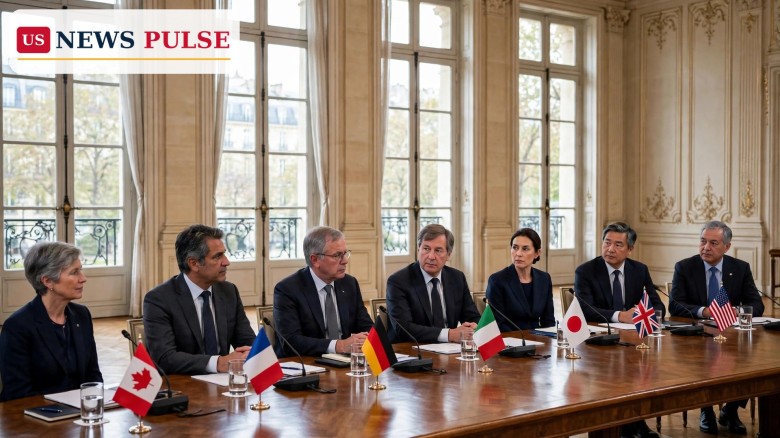
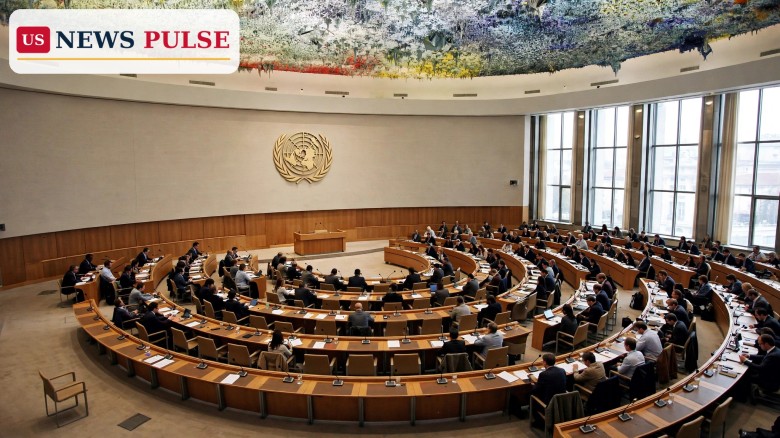
The United States was due to face its Universal Periodic Review, known as the UPR, at the UN Human Rights Council in Geneva on Tuesday, November 10, 2026. Instead, the American seat stayed empty — the second consecutive year Washington has refused to attend its own examination, a process every other government observes.
Faced with an empty chair, the council acted the same day. It adopted a decision without a vote to postpone the American review until January 2027, pointing to what it called Washington's “continued non-cooperation.” The review is now rescheduled for the 54th session of the Working Group on the Universal Periodic Review, January 18-29, 2027. The council expressed regret at the non-cooperation, called on the United States to resume cooperating, and said it would consider further steps before the January session ends.
Background and Context
The United States has now missed its review twice. The original date, November 7, 2025, was pushed back a year in the hope Washington would take part. When the rescheduled date arrived, the American delegation was again absent — the first government to skip its own review twice.
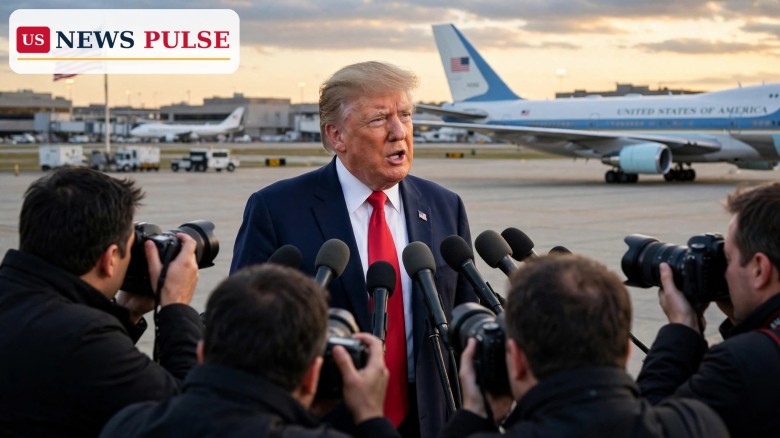
The break dates to 2025, when the Trump administration withdrew the United States from the 47-member Human Rights Council, accusing it of anti-American and anti-Israel bias. The State Department says Washington gives the body “no credibility.” In President Donald Trump's first term, the United States submitted its UPR report and took part.
The Universal Periodic Review is the council's flagship process. It examines the human rights records of all 193 UN member states roughly once every four to five years, with other governments questioning the country under review and civil society groups filing submissions. It was designed to be universal: no country is exempt.
The UN Human Rights Review: Postponed to January 2027
The decision to postpone was, in the council's own terms, unavoidable. A review cannot go ahead without the country under review, because the process depends on the government answering questions about its own record in person. Without a delegation in Geneva, there was nobody to question and no national report to examine.
The timing adds pressure: the fourth UPR cycle closes in June-July 2027, so January is effectively the last realistic window for the American review. If the United States stays away again, the council must decide whether to close the cycle with the world's most powerful country unexamined — or take the further steps it has warned it may consider. For now, the postponement keeps the process alive without forcing a confrontation the council cannot win: the UPR has no enforcement power and works through publicity and peer pressure.
Reactions and Quotes
Rights groups had already condemned the absence before the council acted. Jamil Dakwar of the American Civil Liberties Union told reporters in Geneva: “We've seen attacks on fundamental human rights and civil liberties unprecedented in generations.” The ACLU filed submissions on the United States, and its representatives had travelled to Geneva expecting answers that never came.
Governments had prepared questions on abortion, the death penalty, migration and racial discrimination, and nearly 200 submissions covered migrant treatment, voting rights and policing. With the review postponed, that scrutiny is delayed rather than cancelled. Campaigners are pressing UN human rights chief Volker Turk to hold a briefing on the United States even in Washington's absence. The State Department showed no sign of reconsidering its position that taking part would lend legitimacy to a body it regards as biased.
Why It Matters
The United States has long presented itself as a champion of human rights abroad, raising the records of rivals such as China and Russia. Refusing its own review undercuts that position: when Washington rejects the scrutiny it demands of others, its criticism carries less weight and its adversaries gain an easy rebuttal.
The decision also weakens the review itself. The UPR works only because participation is treated as universal. If the world's most powerful country can stay away twice, other governments under pressure may conclude they can do the same. There is a practical cost, too: the nearly 200 submissions document issues affecting millions of people, from migration enforcement to voting rights, and every month of delay is a month those questions go unanswered in the one forum designed to ask them in public.
What Happens Next
The next test comes in January. The review is scheduled for January 18-29, 2027, and the council will consider further steps before that session ends if Washington still refuses to cooperate. The fourth UPR cycle closes in June-July 2027, leaving little room for another delay. For Washington, the calculation is unchanged: attend and lend legitimacy to a council it has denounced, or stay away and accept the cost of being the first country to skip its own review twice. The council's decision has bought two more months. It has not resolved the standoff.
Frequently Asked Questions
What did the UN decide on November 10?
The council postponed the United States' Universal Periodic Review until January 2027, citing Washington's “continued non-cooperation.”
When is the review now scheduled?
January 18-29, 2027, during the 54th session of the Working Group on the Universal Periodic Review.
Why did the United States skip its review?
Washington withdrew from the Human Rights Council in 2025, accusing it of anti-American and anti-Israel bias. The State Department says it gives the body “no credibility.”
Has any country skipped its review twice before?
No. The United States is the first government to skip its own Universal Periodic Review on two occasions — November 7, 2025 and November 10, 2026.
Does the review have any enforcement power?
No. It works through publicity and peer pressure: governments question each other in public, and recommendations carry political and moral weight, though they are not legally binding.
Related coverage: read our report on the United States skipping its UN human rights review for a second year. See also Zelenskyy hoping Democratic midterm wins bring more US aid for Ukraine.
Leave a Comment