

 | Today's Date:


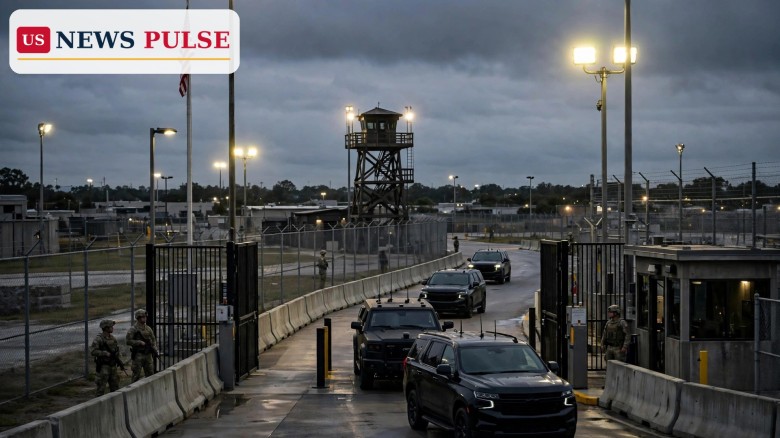


Nvidia Halts Chip Shipments to Four Southeast Asian Nations Under New US Controls

Nvidia has told its manufacturing partners to stop shipping servers powered by its most advanced artificial intelligence chips to four Southeast Asian countries, the Financial Times reported on Thursday, in the first major enforcement consequence of Washington's new export controls. The chipmaker instructed partners including Dell and Supermicro to halt deliveries to Malaysia, Singapore, Thailand and Indonesia, according to three people familiar with the matter. The move follows a US Commerce Department rule that took effect last week requiring licences for advanced-chip shipments to the four countries, which Washington says present a "higher-than-normal risk of diversion" to China.
Key Points
- Nvidia has told partners to stop shipping servers to Malaysia, Singapore, Thailand and Indonesia, the Financial Times reported.
- Dell and Supermicro, which package Nvidia chips into servers, told buyers their orders will not ship.
- The halt follows new US export controls requiring licences for advanced-chip shipments to the four countries, plus Brazil.
- The Commerce Department says the countries present a "higher-than-normal risk of diversion" to China.
- It is unclear whether the halt is temporary while compliance is worked out.
What Happened
The Financial Times reported on Thursday, November 26, that Nvidia had instructed its manufacturing partners to stop shipping servers to the four countries, citing three people with knowledge of the matter. The instruction covers servers built around Nvidia's most advanced chips. Dell and Supermicro, the two manufacturers that package Nvidia chips into servers, have told buyers in the four countries that Nvidia will not allow their orders to be shipped.
Reuters, which first carried the report, said it could not immediately verify it, and Nvidia, Dell and Supermicro did not immediately respond to requests for comment. The report did not say how long the halt would last or how many orders were affected. But it is the first concrete sign that the new American export controls are already reshaping the flow of advanced computing hardware across Asia.
Background: The Export-Control Rule and the Huang Affair
The halt follows a rule from the Commerce Department's Bureau of Industry and Security that took effect last week. Companies now need a US licence to ship advanced chips to Malaysia, Singapore, Thailand, Indonesia and Brazil, because Washington says they present a "higher-than-normal risk of diversion" to China, where exports of Nvidia's most advanced processors are already restricted. Cloud providers have 90 days to obtain a licence by proving their end users exclude restricted entities. Data centres worldwide also need a US licence to supply large volumes of advanced-chip computing power to companies based in China, Macau or other arms-embargo countries. The controls close the "cloud loophole" of renting computing power abroad instead of buying the chips.
The rule came days after Jensen Huang resigned as Nvidia's chief executive after 33 years, following reports of an affair with a woman US officials suspect of working for Chinese intelligence. Alice Huang, a former Megaspeed executive, is suspected of links to China's Ministry of State Security. Megaspeed is under investigation over the alleged smuggling of advanced Nvidia chips to China, which it denies. President Donald Trump has played down the affair, saying of Alice Huang: "Nobody's proven that she's a spy. She may not be a spy." Beijing has denied the claims as "purely a smear." On November 25 the Commerce Department blacklisted seven companies, including Apex Enterprise Solutions, Alibaba's Singapore subsidiary, and the Justice Department is probing whether entities linked to Alice Huang helped smuggle Super Micro products to China.
Nvidia Chip Shipments Halt Hits Southeast Asia's AI Boom
Singapore, Malaysia, Thailand and Indonesia have become favoured destinations for Chinese artificial intelligence developers seeking Nvidia's most advanced chips, whose direct export to China is restricted. The four countries have spent two years building data-centre capacity at speed, with Singapore at the centre of the regional cloud industry and Malaysia attracting billions in new facilities. For cloud providers, the halt freezes placed orders and clouds projects that depend on Nvidia hardware. The 90-day licence window offers a route back, but until licences are granted, deliveries are stopped — and it is not yet clear how quickly the process will move.
Reactions
Neither Nvidia nor its manufacturing partners would comment. Nvidia, Dell and Supermicro did not immediately respond to requests for comment, and Reuters said it could not immediately verify the Financial Times account. The Commerce Department says the controls are needed to stop advanced American chips reaching China through third countries. Treasury Secretary Scott Bessent has pressed the case publicly, asking of Nvidia: "Did Nvidia know their client? Was there a robust effort at Nvidia to make sure that there was no leakage?" President Trump, due to meet China's Xi Jinping in Shenzhen, has backed calls for Huang's reinstatement and said he may raise the spying allegations with Xi. Nvidia's board has ruled out Huang's return, with interim chief Colette Kress in place, and the company says no sensitive information was exposed. Beijing has denied the claims as "purely a smear."
Why It Matters
The halt shows Washington's new controls are not merely paperwork — they are already stopping hardware at the factory gate. For years, export controls aimed at China have leaked through third countries, with chips and servers routed through intermediaries in Southeast Asia. Closing that route is the central aim of the new rule, and Nvidia's instruction is the first proof it is being enforced. For the United States, the controls aim to slow China's development of advanced artificial intelligence. For Southeast Asia, the data-centre industry faces delays, higher costs and uncertainty over customers. For Nvidia, the halt hits a fast-growing market and adds to the pressure of a Justice Department antitrust inquiry and a criminal probe into its supply chain. Readers can follow the earlier steps in our coverage of the new export rule, the Apex blacklisting and the Super Micro probe.
What Happens Next
Three things will decide how long the halt lasts. First, how quickly Nvidia and its partners can work out compliance — the report suggests the pause may be temporary. Second, how the Commerce Department handles licence applications from cloud providers in the four countries during the 90-day window. Third, what happens at the Trump-Xi meeting in Shenzhen, where the president has said he may raise the spying allegations. Investors will watch Nvidia's next earnings report for the first official word on the halt and its effect on sales.
FAQ
Which countries are affected by the Nvidia shipment halt?
Malaysia, Singapore, Thailand and Indonesia. The underlying US rule also covers Brazil.
Why has Nvidia stopped the shipments?
New US export controls require licences for advanced-chip shipments to the four countries, which Washington says present a diversion risk to China.
Which companies are involved?
Nvidia told its manufacturing partners, including Dell and Supermicro, to stop shipping orders to buyers in the four countries.
Is the halt permanent?
It is unclear. The report suggests it may be temporary while Nvidia and its partners work out compliance.
What is the 90-day deadline?
Cloud providers have 90 days to obtain a US licence by proving their end users do not include restricted entities.

The US News Pulse newsroom covers breaking news across the United States and the world, working from wire services, official statements and on-the-record sources. Every story is reviewed against our editorial standards before publication. Corrections and tips: info@usnewspulse.com
About our newsroomLeave a Comment