

 | Today's Date:




NBA Unveils $11 Billion Europe Arena Plan in Major Push for NBA Europe
The NBA has unveiled an initiative worth at least €10 billion — nearly $11 billion — to build and renovate basketball arenas and the sports and entertainment districts around them across Europe, the biggest infrastructure bet the league has ever placed outside North America. The plan, announced on Wednesday, November 25, 2026, is designed to give the new NBA Europe league the kind of modern, American-style venues the league believes European basketball has long lacked.
Key Points
- The NBA announced on November 25, 2026, a plan targeting at least €10 billion (nearly $11 billion) for arena development across Europe.
- Backers include Apollo, Ares, Arctos, Blackstone, HPS Investment Partners, J.P. Morgan, Sixth Street and Stonepeak.
- The funding supports NBA Europe, the NBA-FIBA league launching in October 2027 with 16 teams: 12 permanent franchises and four annual qualifiers.
- Target cities include London, Paris, Madrid, Barcelona, Rome, Milan, Munich, Berlin, Athens and Istanbul; none is confirmed.
- No capital has actually been committed yet, and no teams have been secured.
What Happened
The NBA announced the initiative on Wednesday, backed by big names in global private capital. Apollo Sports Capital, Ares Management, Arctos — a business of KKR — Blackstone, HPS Investment Partners, part of BlackRock, J.P. Morgan, Sixth Street and Stonepeak have all signed on, targeting at least €10 billion for “the development and renovation of basketball arenas – and the sports and entertainment districts around them – across Europe.”
The money is meant to serve NBA Europe, the joint NBA-FIBA league launching next October, with 16 teams: 12 permanent franchises and four clubs that qualify each year. The cities under consideration include London, Manchester, Paris, Lyon, Madrid, Barcelona, Rome, Milan, Munich, Berlin, Athens and Istanbul, but none has been formally announced and the bidding process is still under way.
Two caveats sit behind the headline figure. First, it is not clear any capital has actually been committed yet; the firms have expressed their intention to invest, but the announcement stopped short of saying the money is in place. Second, the arena initiative is entirely separate from the team investment process: it is about buildings and districts, not buying into the clubs that will play in them.
NBA Europe: What the $11 Billion Arena Plan Will Build
Europe does not have many arenas like the ones NBA teams usually play in, and league officials have been open about seeing that as both a problem and an opportunity. The NBA believes European clubs are leaving money on the table because their venues do not maximise profitability: fewer premium seats, fewer hospitality options, fewer concerts on dark nights, and less surrounding real estate.
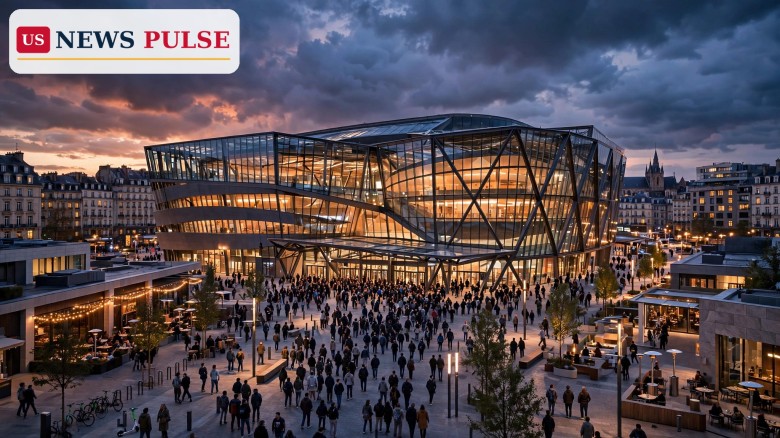
Under the initiative, investors will partner with clubs, ownership groups, local developers and other service providers to build world-class arenas and, where appropriate, mixed-use districts around them. Depending on local needs, those projects could include housing, workplaces, restaurants, retail and public spaces — development the NBA says can revitalise surrounding communities. The NBA has long argued new arenas drive growth, though studies suggest the effect is often a redistribution of spending to the new district rather than a net gain.
Franchise fees could reach up to $1 billion, putting the new league’s teams in the same financial conversation as established American franchises. But no teams have been secured yet, and talks with EuroLeague clubs — the existing competition the new league would sit alongside, or compete with — stalled in October, leaving the question of who will play in these arenas unanswered.
Reactions
NBA Commissioner Adam Silver framed the announcement as the next step in a project years in the making. “We’ve seen firsthand how state-of-the-art arenas and the related developments around them can transform basketball teams and their surrounding communities,” Silver said in a statement announcing the initiative. “As we prepare to launch a new league in Europe alongside FIBA, we see a significant opportunity to help clubs develop facilities which both build on the unique traditions that define European basketball while also elevating the fan experience and attracting many more live events.”
The announcement made clear the investors’ role is to partner with clubs, ownership groups, local developers and other service providers, rather than take the project over. That matters in Europe, where clubs are deeply rooted and supporters wary of American-style commercialisation. Reaction from the clubs has been muted, largely because the process is still at the bidding stage, and EuroLeague talks stalled in October.
Why It Matters
This is the largest infrastructure commitment the NBA has ever made outside the United States, and it signals the league’s European project has moved from idea to execution. The NBA has spent years talking about a European league; putting a €10 billion arena programme behind it, backed by firms managing trillions, demands attention from cities, clubs and sponsors.
It also matters because the economics of European basketball are about to change. If franchise fees really approach $1 billion, the new league will differ sharply from today’s club competitions, with far bigger budgets and far more pressure to fill buildings night after night. The arena plan is the foundation of that model: without modern venues and the districts around them, the numbers do not work. The move is part of a wider pattern, as American leagues build permanent businesses abroad — just as streaming giants bid billions for sports rights, a trend US News Pulse reported this week as Netflix topped the bidding for the 2030 World Cup’s US rights.
What Happens Next
The immediate question is which cities get the first arenas — and which clubs get the first teams. Bidding continues, with London, Paris, Madrid, Barcelona, Rome, Milan, Munich, Berlin, Athens and Istanbul all in the frame, but none confirmed. The soft launch is planned for next October, leaving less than a year to turn intentions into signed deals, let alone into construction.
Meanwhile, the NBA season continues at home, with the Mavericks beating the Nuggets 120-101 and the 76ers ending Miami’s seven-game win streak 111-104 this week.
Watch whether the firms convert their expressions of intent into committed capital, whether the stalled EuroLeague talks resume, and whether franchise announcements follow arena announcements. Until teams are secured, the $11 billion figure remains a promise rather than a project — but it is now a public promise, by the NBA, with the biggest names in finance behind it.
Frequently Asked Questions
What is NBA Europe?
NBA Europe is a new NBA-FIBA league, planned to soft-launch in October 2027 with 16 teams: 12 permanent franchises and four annual qualifiers.
How much is the NBA investing in European arenas?
The initiative targets at least €10 billion, or nearly $11 billion, for arena development and renovation. The firms have expressed their intention to invest; no capital has clearly been committed yet.
Which cities could host NBA Europe teams?
Candidates include London, Paris, Madrid, Barcelona, Rome, Milan, Munich, Berlin, Athens and Istanbul. None is confirmed.
How much could an NBA Europe franchise cost?
Up to $1 billion. No teams have been secured yet, and EuroLeague talks stalled in October.

The US News Pulse newsroom covers breaking news across the United States and the world, working from wire services, official statements and on-the-record sources. Every story is reviewed against our editorial standards before publication. Corrections and tips: info@usnewspulse.com
About our newsroomLeave a Comment