

 | Today's Date:



US Navy Gives SEAL Team Six a New Maritime Squadron for Global Sea Missions
The US Navy has created a dedicated maritime squadron inside SEAL Team Six, the elite Naval Special Warfare Development Group known as DEVGRU, giving America's most secretive special-missions unit its own sea command for the first time in years. The new unit, the Naval Special Warfare Maritime Tactical Development and Evaluation Squadron, was established by an operations notice dated August 7 and took effect on October 1, but was only reported publicly on Thursday, November 26. Its job is to pull together the unit's maritime operations, sharpen its tactics and equipment, and work with allied navies around the world.
Key Points
- The new command is the Naval Special Warfare Maritime Tactical Development and Evaluation Squadron (NSWMARTACDEVEVALSQN), an O-5 level command inside DEVGRU.
- It was created by OPNAV Notice 5400, dated August 7, 2026, and took effect on October 1, 2026.
- Its mission is to integrate DEVGRU's maritime operations worldwide and develop maritime capability, tactics and equipment.
- It will train with partner navies and support intelligence missions and crisis-response operations.
- It is not a recreation of Grey Squadron, DEVGRU's old mobility element, disbanded around 2018-19.
What Happened
The Navy created the squadron through OPNAV Notice 5400, the order that creates and organises Navy commands. The notice, dated August 7, 2026, made it an O-5 level command, the rank normally held by a Navy commander, inside the Naval Special Warfare Development Group. It took effect on October 1, but was only reported publicly on Thursday, November 26.
Its name describes its job: a maritime tactical development and evaluation unit that tests and refines the tactics and equipment DEVGRU's operators use at sea, and plans the unit's maritime operations as one coherent effort. The notice gives it a worldwide remit.
Background and Context
DEVGRU, widely known as SEAL Team Six, is the Navy's most elite special-missions unit. Created in 1980 after the failed Desert One hostage-rescue mission in Iran, it is best known for the 2011 raid in Abbottabad, Pakistan, in which its operators killed al-Qaeda leader Osama bin Laden. It carries out the most sensitive counterterrorism, hostage-rescue and direct-action missions the Pentagon and the White House assign.
For years DEVGRU had its own mobility element, Grey Squadron, which handled the unit's transport and movement. It was disbanded around 2018-19. The new squadron is not described as its revival: rather than moving operators, it develops and evaluates maritime tactics and equipment and integrates the unit's operations at sea.
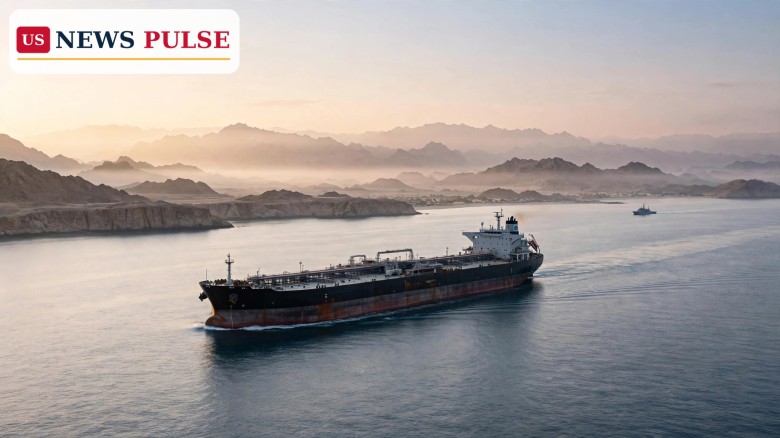
The move comes as US naval power is stretched across two maritime campaigns. In the Gulf, US forces are enforcing a blockade on Iranian ports and escorting commercial vessels through mine-threatened waters, after mine strikes on oil tankers in the Strait of Hormuz (read our earlier report on the Hormuz mine strikes). Off Latin America, US forces have spent more than a year striking suspected cartel drug boats. The notice names no theatre, but both campaigns depend on the small-boat, boarding and interdiction skills the squadron will sharpen.
It also fits a wider Pentagon push. On November 12, Defense Secretary Pete Hegseth revived the Office of Strategic Services name for the civilian special-operations oversight office, with at least $45 million in annual funding reallocations and 100 additional personnel billets under a November 2 memorandum, though some parts need Congress to act.
SEAL Team Six Maritime Squadron: What the New Command Will Do
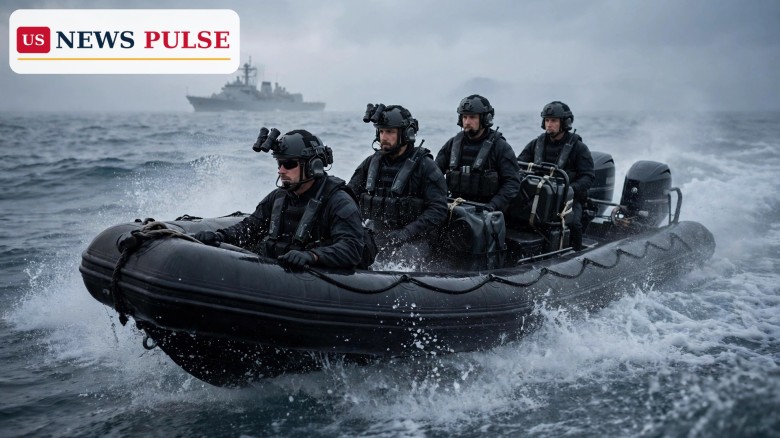
The notice gives the squadron four tasks: integrate and synchronise DEVGRU's maritime operations worldwide; develop full-spectrum maritime capability, from small-boat insertions and ship boardings to work with submarines and surface ships; develop the tactics and equipment for that work, testing new kit before it is used on operations; and train with partner navies, building shared procedures for operating with allies.
It will also support intelligence missions and crisis-response operations, getting operators into position to collect information or act on it quickly, and handling short-notice missions from hostage rescues to evacuations. A standing squadron means the unit can prepare for both in advance, rather than assembling the capability each time.
Reactions and Quotes
The squadron was created quietly, by administrative notice, with no public announcement, and its existence only became public almost two months after it took effect. That low profile fits DEVGRU: the unit's structure, strength and operations are rarely discussed in public, and changes usually surface through documents rather than press releases.
Defence watchers will read the move as a sign that the Navy expects its most elite operators to spend more time at sea. A squadron devoted to maritime tactics is not created for a passing requirement: it suggests a long-term judgment that DEVGRU's maritime work will remain central to American special operations. The name of its first commander has not been reported.
Why It Matters
The sea is where many of America's hardest missions now begin. The blockade of Iranian ports and the escort of shipping through the mine-threatened Gulf depend on forces that can board, search and seize vessels far from shore. The campaign against cartel drug boats depends on small, fast craft and the operators trained to use them.
The squadron also closes a gap open since Grey Squadron was disbanded: without a dedicated maritime element, the unit's sea capability had to be assembled from elsewhere each time. A standing squadron keeps tactics, equipment and relationships ready between operations, so the unit can move faster when a crisis breaks, and signals to allies and adversaries that the force behind the Gulf escorts and the Latin America interdictions is being made more capable, not wound down.
What Happens Next
DEVGRU's missions are rarely acknowledged, so any public trace of the new unit will probably come indirectly, through exercises with partner navies, Navy budget documents, or officers assigned to it. The naming of its first commander will show how senior the Navy considers the post.
Congress is also likely to take an interest: some parts of the OSS revival need congressional action, and lawmakers will want to know how the money and billets are used (read our earlier report on the Pentagon's recent moves under Hegseth). For now, the squadron exists on paper, effective since October 1. Its real test will come the first time a crisis at sea calls on it.
Frequently Asked Questions
What is the new SEAL Team Six maritime squadron?
It is the Naval Special Warfare Maritime Tactical Development and Evaluation Squadron, a dedicated maritime command inside DEVGRU, the unit known as SEAL Team Six.
When was the squadron created?
OPNAV Notice 5400, dated August 7, 2026, created it, and it took effect on October 1, 2026. Its creation was reported publicly on November 26, 2026.
Is it a revival of Grey Squadron?
No. Grey Squadron was DEVGRU's old mobility element, disbanded around 2018-19. The notice describes a tactical development and evaluation role, not a direct recreation.
What will the squadron do?
It will integrate DEVGRU's maritime operations worldwide, develop maritime capability, tactics and equipment, train with partner navies, and support intelligence and crisis-response missions.
Where will it operate?
The notice names no theatre. It comes as US forces enforce a blockade on Iranian ports, escort shipping through mine-threatened Gulf waters, and strike suspected cartel drug boats off Latin America.

The US News Pulse newsroom covers breaking news across the United States and the world, working from wire services, official statements and on-the-record sources. Every story is reviewed against our editorial standards before publication. Corrections and tips: info@usnewspulse.com
About our newsroomLeave a Comment