

 | Today's Date:




Judge Blocks Deep-Sea Mining Leases Off Northern Mariana Islands in Second Court Defeat
A federal judge has handed the Trump administration a second court defeat over its push to mine the Pacific seabed, ruling that plans to lease ocean floor off the Northern Mariana Islands violate the Endangered Species Act. District Judge Jill Aiko Otake found that the government failed to consider what could happen once the leases were issued, though they could ultimately allow seabed mining. The ruling throws into doubt a lease sale the administration had scheduled for December 16, 2026, days after the government pressed ahead with a similar sale off American Samoa despite an earlier ruling against it.
Key Points
- Judge Jill Aiko Otake ruled the lease plans off the Northern Mariana Islands violate the Endangered Species Act.
- The National Marine Fisheries Service and Commerce Secretary Howard Lutnick were named as defendants in the case.
- The biodiversity assessment behind the sale never examined the impact of actual mining.
- The administration had planned to offer the leases for sale on December 16, 2026.
- It is the second court defeat for the deep-sea mining push, after the earlier American Samoa ruling.
What Happened
Judge Otake ruled that plans to lease seabed off the Northern Mariana Islands for preliminary surveys breached the Endangered Species Act. The leases would let holders survey, but the court found they could ultimately allow seabed mining — which the government had never examined for its effect on protected species and habitat.
The defendants included the National Marine Fisheries Service, which provided the expert opinion behind the lease sales, and Commerce Secretary Howard Lutnick, named as head of the department overseeing the service. The judge said both had failed to consider the effects that could follow once the leases were issued, and the biodiversity assessment used to approve the sale looked only at the survey stage, not at actual mining.
Background and Context
The ruling is the second legal setback for an administration that has made seabed mining a priority. The government says it wants access to critical minerals and to counter China's growing influence over materials needed for electronic devices. The Pacific territories sit at the centre of that plan because of the mineral-rich seabed in the waters around them.
The first defeat came earlier in November, when Judge Otake vacated the environmental review behind a proposed lease sale off American Samoa under the same law. The administration ignored that decision and went ahead with the sale, offering two leases covering 13 million hectares — more than 30 million acres — for about $6 million. Opponents have vowed to challenge it.
The Northern Mariana Islands case follows the same pattern. Local groups have raised concerns that deep-sea mining could cause long-term damage to marine ecosystems around the islands, and the administration had set December 16, 2026 as the date to offer the leases for sale. After the new ruling, it remains unclear what happens next.
Deep-Sea Mining and the Pacific Seabed
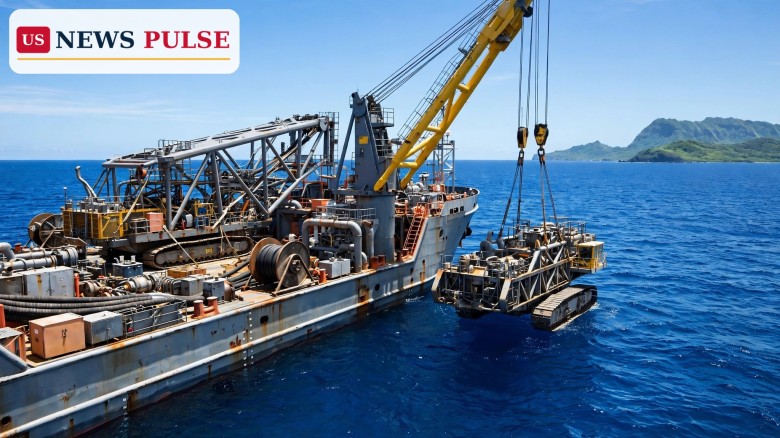
Deep-sea mining uses machines to extract minerals from the ocean floor. Vacuum techniques suck up nodules from muddy deposits, and the process can also remove organisms that cannot grow anywhere else, including corals and sponges. The minerals at stake — used in batteries and electronics — are the reason governments and companies are interested, but the ecosystems involved are among the least studied on Earth.
One study found more than 4,000 animals living on the ocean floor in remote areas of the Pacific Ocean — ninety percent of them new species. Critics fear deep-sea life could be harmed before researchers have understood the ecosystems involved.
Reactions and Quotes
Groups in the Northern Mariana Islands have warned that mining could cause lasting damage to the marine ecosystems around the islands, and their concerns were at the heart of the challenge that led to the ruling. The administration has presented seabed mining as a matter of national interest, arguing the United States needs its own supply of critical minerals rather than relying on China.
Scientists warn mining could damage poorly understood deep-ocean ecosystems, while industry advocates say the effects remain uncertain and more research is needed. Opponents of the American Samoa sale have vowed to challenge it, and the same groups are expected to press this case if the administration proceeds despite the ruling.
Why It Matters
A second ruling under the same law, from the same judge, turns a single setback into a pattern and puts the whole Pacific lease programme in doubt. The Endangered Species Act is proving a real check on the administration's timetable: every lease sale must now survive a court test over whether the government properly weighed the mining that could follow.
The stakes go beyond the two territories. The December 16 sale was the next step in a wider plan to open Pacific seabed to mining, and the ruling raises whether any of those sales can go ahead without a far more thorough environmental review. The administration must choose between slowing down to do that work or pressing on and facing the same result in court.
What Happens Next
The immediate question is the December 16 sale. The administration has not said whether it will appeal, revise its assessment, or go ahead anyway, as it did off American Samoa. Any of those paths is likely to draw a fresh challenge from the opponents who brought this case.
Watch for a response from the Commerce Department and any appeal filing in the coming days. The American Samoa sale, already facing a promised challenge, will also be watched closely — if that challenge succeeds, it deepens the programme's legal hole.
Frequently Asked Questions
What did the judge rule about the Northern Mariana Islands leases?
District Judge Jill Aiko Otake ruled the lease plans violate the Endangered Species Act, because the government failed to consider the effects of the mining the leases could ultimately allow.
Who was sued in the case?
The National Marine Fisheries Service, which provided the expert opinion behind the lease sales, and Commerce Secretary Howard Lutnick, as head of the department overseeing the service.
When was the lease sale supposed to happen?
December 16, 2026. After the ruling, it is unclear what happens next.
Was this the first court defeat for the deep-sea mining plan?
No. Judge Otake earlier vacated the review behind an American Samoa lease sale under the same law, but the administration went ahead anyway, selling two leases covering 13 million hectares for about $6 million.
Why does the administration want deep-sea mining?
It says seabed mining would give the United States access to critical minerals and counter China's influence over materials needed for electronic devices.
Related coverage: Judge vacates deep-sea mining review off American Samoa in ESA ruling; First US deep-sea mining lease sale draws $6 million off American Samoa; Bessent publicly blames Lutnick for Megaspeed failure as WSJ reports job fight.

The US News Pulse newsroom covers breaking news across the United States and the world, working from wire services, official statements and on-the-record sources. Every story is reviewed against our editorial standards before publication. Corrections and tips: info@usnewspulse.com
About our newsroomLeave a Comment