

 | Today's Date:


Iran Iraq Border Crossings Close as Tehran Urges Baghdad to Resist the US
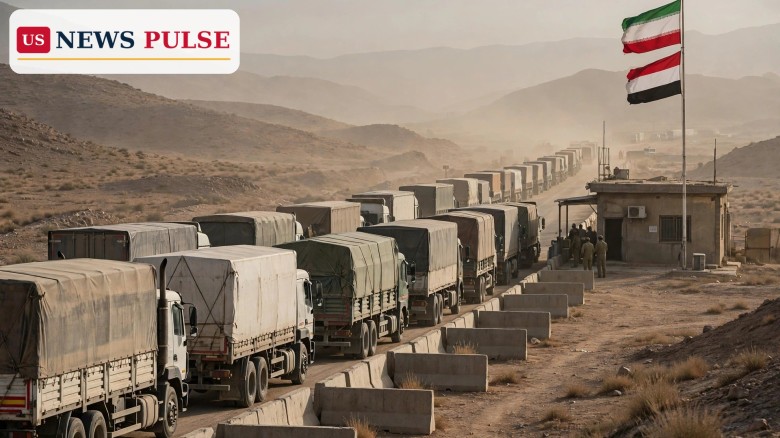
Iran has urged Iraq not to let outside powers interfere in the economic ties between the two neighbours, after Baghdad closed several of the Iran Iraq border crossings following a request from the United States. Iranian security chief Mohsen Rezaei delivered the message on Saturday, November 28, 2026, in a meeting in Tehran with Iraq's visiting national security adviser, Qasim al-Aboudi, according to Iranian media.
Key Points
- Iran urged Iraq on Saturday, November 28, 2026, not to allow foreign interference in Iran-Iraq economic cooperation, after reports that Baghdad closed several border posts following a US request.
- Iranian security chief Mohsen Rezaei told Iraq's national security adviser Qasim al-Aboudi that "foreigners should not be allowed to negatively impact Iran-Iraq economic cooperation."
- The US Treasury has asked Iraq to close all border crossings with Iran except two, to increase economic pressure on Tehran.
- Iraq-Iran trade is worth an estimated $15 billion to $18 billion a year, including about $4 billion of Iranian gas imports that help power Iraq's electricity grid.
- The closures add to the strain on Iran's economy, where the rial has plunged to a record low near 3 million to the US dollar and annual inflation has reached 76.8 percent.
What Happened
Iranian media reported on Saturday that Rezaei met al-Aboudi in Tehran and used the meeting to press Baghdad to resist pressure from other countries over the neighbours' trade. "Foreigners should not be allowed to negatively impact Iran-Iraq economic cooperation," Rezaei told his Iraqi counterpart, according to Iran's Fars news agency. The meeting came after media reports said Iraq had closed several crossings with Iran,.
The closures follow a request the US Treasury made earlier in November, when it asked Iraq to close all of its commercial border crossings with Iran except two. Iraqi Foreign Minister Fuad Hussein disclosed the request in an interview aired on November 8, saying Washington proposed keeping one crossing open in the Kurdistan region and another elsewhere, neither of them identified. Hussein warned then that the move would hurt Iraq as much as Iran: "Closing the border crossings could be a punishment for Iran, but it would also hurt Iraq" and "Trade would stop, movement would stop."
Background and Context
The pressure on the Iran Iraq border crossings is one strand of a much wider American economic campaign against Tehran. The United States reimposed its naval blockade on Iranian ports in July, and earlier this month announced Task Force Iron Gate, a military effort to restrict the movement of weapons and sanctioned materials across Iran's land borders and the Caspian Sea. President Donald Trump has described the blockade as "history's greatest Naval Blockade" and said the task force is "in full force and effect."
Washington's argument is that choking off Iran's trade will force Tehran to accept American terms for ending the war. Treasury Secretary Scott Bessent said this week that "Iran's economy is underwater, and its leaders are panicking." The rial fell to a record low near 3 million to the US dollar on Saturday, consumer prices in October were 88.7 percent higher than a year earlier, annual average inflation reached 76.8 percent, and food prices rose 112.6 percent year on year, according to the Statistical Centre of Iran.
Iran Iraq Border Crossings and the Blockade Squeeze
The border closures matter because they strike at the route Tehran has relied on to soften the naval blockade. With its ports under watch and its tankers at risk of seizure, Iran has leaned on overland trade with Iraq, Turkey and other neighbours to keep goods moving and revenue flowing. Cutting those routes is the explicit purpose of Task Force Iron Gate,.
Iran's response — a public appeal to Baghdad rather than a threat — reflects the limits of its leverage. Tehran cannot compel Iraq to keep the crossings open, and Baghdad has its own reasons to cooperate with Washington, including the American military presence in Iraq and the risk of secondary sanctions on Iraqi banks and businesses that handle Iranian trade.
Reactions and Quotes
Rezaei's message to al-Aboudi was the most direct Iranian response to the closures so far. "Foreigners should not be allowed to negatively impact Iran-Iraq economic cooperation," he said, according to Fars news agency, framing the issue as one of sovereignty for both countries.
The American position has been stated bluntly by Treasury Secretary Scott Bessent, who said this week, after imposing new sanctions aimed at isolating Iran and disrupting its shadow banking networks: "Iran's economy is underwater, and its leaders are panicking." For Baghdad, the public record so far is the warning Hussein issued earlier in November, when he said closing the crossings "would also hurt Iraq."
Why It Matters
The closures test whether the American strategy of total economic isolation can actually work. If Iran's land routes can be sealed as effectively as its sea lanes, Tehran's ability to fund its war effort, pay its bureaucracy and keep its population supplied will erode further, increasing the pressure on its leadership to negotiate. If the routes stay open through smuggling, the blockade will leak and the war could drag on.
They also matter for Iraq, which is caught between its two most important partners. Baghdad needs American security cooperation and access to the dollar-based financial system, but it also needs Iranian gas and trade.
What Happens Next
The immediate question is whether Baghdad confirms the closures and says how long they will last. A formal announcement, and any detail about which crossings remain open, will show how far Iraq is willing to go in meeting the American request. Iran could respond with more diplomacy, or shift trade to other routes. American officials, for their part, are expected to keep tightening the screws, with further sanctions and enforcement actions likely as Task Force Iron Gate expands.
Frequently Asked Questions
Why did Iraq close border crossings with Iran?
Iraq closed several crossings after the United States asked it to shut all but two of its border posts with Iran, to increase economic pressure on Tehran.
What did Iran say about the closures?
Iranian security chief Mohsen Rezaei told Iraq's visiting national security adviser Qasim al-Aboudi that "foreigners should not be allowed to negatively impact Iran-Iraq economic cooperation."
How much trade passes between Iran and Iraq?
Trade is worth an estimated $15 billion to $18 billion a year, including about $4 billion of Iranian gas imports that help power Iraq's electricity grid.
How is Iran's economy faring under the pressure?
The rial hit a record low near 3 million to the dollar, October consumer prices were 88.7 percent higher than a year earlier, and food prices rose 112.6 percent.
What is Task Force Iron Gate?
It is a US military effort announced earlier in November to restrict weapons and sanctioned materials across Iran's land borders and the Caspian Sea, complementing the naval blockade reimposed in July.
Related coverage: US Asks Iraq to Close All But Two Iran Border Crossings; Trump Backs Iraq PM al-Zaidi's Crackdown on Oil Smuggling and Militias; Kurdistan Protests Erupt as Baghdad Seizes Oilfields and Border Crossings.

The US News Pulse newsroom covers breaking news across the United States and the world, working from wire services, official statements and on-the-record sources. Every story is reviewed against our editorial standards before publication. Corrections and tips: info@usnewspulse.com
About our newsroomLeave a Comment