

 | Today's Date:





Darius Drew Gets Probation After Shooting Boy in DC, White House Slams 'Insanity'
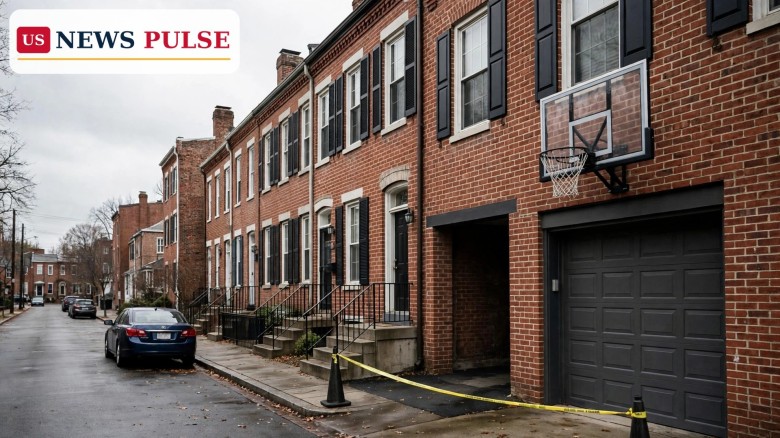
A 19-year-old who fired more than 20 rounds into a Northwest Washington neighbourhood and wounded a boy playing basketball walked out of court on probation on Friday, reigniting debate over the District's youth sentencing laws and drawing a sharp White House rebuke.
Darius Drew pleaded guilty in August to aggravated assault and carrying a pistol without a licence. Judge Jennifer Di Toro gave him a 24-month prison sentence, suspended it in full, and placed him on 18 months of supervised probation under the city's Youth Rehabilitation Act. Federal prosecutors had asked for five years. Drew was released on Friday after nearly six months in custody since his May 22 arrest.
Key Points
- Drew, 19, fired more than 20 rounds in the 700 block of Taylor Street NW on May 11, 2026, wounding a boy playing basketball in the leg.
- Judge Di Toro imposed a 24-month sentence, suspended it, and ordered 18 months of supervised probation under the Youth Rehabilitation Act.
- Prosecutors sought five years. Drew was freed on Friday after nearly six months in custody since his May 22 arrest.
- White House spokeswoman Lauren Bis called the case an example of the "insanity" of D.C.'s "soft-on-crime policies".
- U.S. Attorney Jeanine Pirro warned the D.C. Council in August 2025 that the Act needed an overhaul, citing a similar case.
What Happened
On May 11, 2026, Drew rode a Lime rental bike into an alley in the 700 block of Taylor Street NW and opened fire on a parked car, discharging more than 20 rounds into a residential neighbourhood. A boy playing basketball nearby was struck in the leg. The shooting sent a quiet Northwest Washington street into panic on a spring afternoon, and the child survived his wound.
Police arrested Drew on May 22, and he remained in custody for nearly six months. On August 10 he pleaded guilty to aggravated assault and carrying a pistol without a licence. At sentencing on Friday, November 13, prosecutors asked Judge Di Toro for five years, citing the scale of an attack on a street where children were playing. The judge imposed 24 months, suspended it, and ordered 18 months of supervised probation. Drew walked out of court the same day.
Background and Context
The Youth Rehabilitation Act is the District's sentencing law for young offenders. It lets judges suspend a prison sentence and place a young person on probation instead, with the conviction possibly set aside later if probation is completed successfully. Supporters say it recognises that young offenders can change and that prison can destroy a life before it has begun. Critics say it has become a loophole that lets serious violent crime go effectively unpunished.
In an August 6, 2025 letter, U.S. Attorney Jeanine Pirro warned the D.C. Council that the Act needed an overhaul, citing a similar case in which a 19-year-old got probation after shooting someone in the chest aboard a Metrobus. The Council did not rewrite the statute, and on Friday the same pattern repeated in a courtroom a short walk from the Capitol.
Darius Drew Probation Puts DC Youth Rehabilitation Act in the Spotlight
The Drew case is now the clearest test yet of the Act, because the facts leave little room for ambiguity. This was not a minor first offence, nor a crime in which nobody was hurt. More than 20 rounds were fired in a residential street, a child was shot, and the gunman pleaded guilty. The question the case forces is simple: at what point does a young offender's age stop mattering more than the harm caused?
That question is now being asked well beyond the courtroom. Federal prosecutors objected to the sentence, the White House condemned it, and the case has become the latest exhibit in the fight over who controls criminal justice in the District — a city where Congress retains ultimate authority but local courts and the Council run day-to-day justice. Every similar sentence feeds a larger argument about whether the District's laws are too soft.
Reactions and Quotes
The White House response was swift and unsparing. Spokeswoman Lauren Bis told Fox News Digital the case "illustrates the insanity of Washington, D.C.'s soft-on-crime policies", framing the suspended sentence as proof that the District's justice system fails victims. The comment carried the weight of an administration that has made crime in the capital a central political issue, and it ensured the sentencing would be debated nationally rather than treated as a routine local court matter.
Federal prosecutors had already made their position clear in court, asking for five years and objecting to probation for a gunman who fired more than 20 rounds where a child was playing. Their objection reflected the view, shared by Pirro, that the Act is being applied to cases it was never meant to cover.
Why It Matters
The sentence matters because it sits at the intersection of two of the biggest arguments in American politics: how to punish violent crime, and who gets to decide. Washington is unique — governed locally but ultimately answerable to Congress, and now the focus of a federal crime crackdown that has put more than 19,000 people under arrest, according to the White House. It also matters for the boy who was shot, who will carry the consequences long after the case fades from the headlines.
What Happens Next
Drew will serve 18 months of supervised probation, monitored by probation officers, and if he violates its terms the suspended 24-month prison sentence can be imposed. His conviction may also be set aside if he completes probation successfully. Politically, the case will be used as fresh ammunition in the campaign against the Act, with the White House and federal prosecutors expected to renew calls for the D.C. Council to rewrite the law.
Frequently Asked Questions
Who is Darius Drew?
Darius Drew is a 19-year-old who pleaded guilty in August 2026 to aggravated assault and carrying a pistol without a licence.
What happened to the boy who was shot?
A boy playing basketball near the 700 block of Taylor Street NW was struck in the leg. He survived his injury.
Why did Darius Drew get probation instead of prison?
Judge Jennifer Di Toro imposed a 24-month sentence but suspended it, placing Drew on 18 months of supervised probation under the Youth Rehabilitation Act.
What did federal prosecutors ask for?
Prosecutors asked for five years in prison, arguing that more than 20 rounds fired where children were playing demanded a serious prison term.
What is the Youth Rehabilitation Act?
It is a District law letting judges suspend prison sentences for young offenders and place them on probation, with the conviction possibly set aside after successful completion.
Related coverage: our report on the 24-year prison term sought for Nikhil Gupta in the Pannun murder-for-hire plot and the White House warning to Democrats over planned probes. For another recent shooting case, see our report on the Winston-Salem State homecoming shooting.

The US News Pulse newsroom covers breaking news across the United States and the world, working from wire services, official statements and on-the-record sources. Every story is reviewed against our editorial standards before publication. Corrections and tips: info@usnewspulse.com
About our newsroomLeave a Comment