


 | Today's Date:

Guinea-Bissau Vaccine Trial Cancelled After 'Unethical' Outcry Over Newborn Study
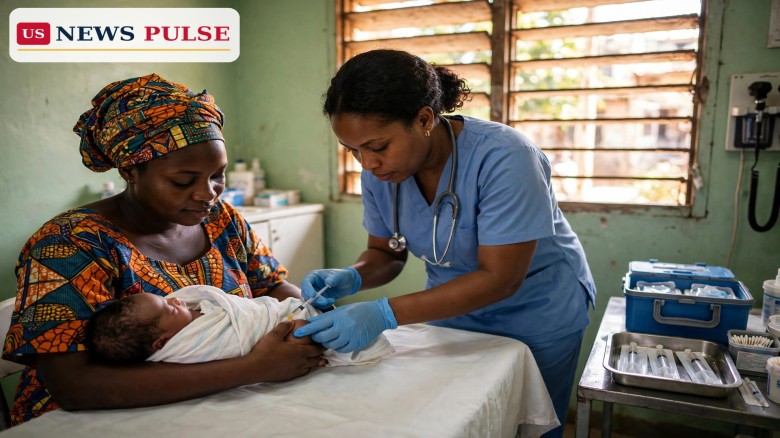
A US-funded hepatitis B vaccine trial on 14,000 newborns in Guinea-Bissau has been cancelled after an international outcry over a design that would have withheld a WHO-recommended vaccine from half of the babies taking part. The BBC reported on Thursday, November 5, 2026, that the proposed trial at the Bandim Health Project research centre in Bissau will not go ahead, after critics called the plan "unethical" and "neocolonial". The university said the trial never started, no babies were enrolled and no vaccinations were given.
Key Points
- The proposed trial in Bissau would have enrolled 14,000 newborns, giving half a hepatitis B vaccine shortly after birth and half at six weeks.
- Critics said withholding a WHO-recommended vaccine from half the babies was unethical; the WHO agreed.
- The US CDC awarded the University of Southern Denmark $1.6 million in December 2025, under Health Secretary Robert F Kennedy Jr.
- Guinea-Bissau's government banned hepatitis B vaccine trials involving children in January and asked Africa CDC experts to review the study; police searched the centre on October 19 and seized vaccines.
- Nearly a fifth of the population is infected with hepatitis B, and the country may bring the routine birth dose forward to early next year instead of 2028.
What Happened
The study compared two timings for the hepatitis B birth dose. Half of the 14,000 newborns would have received the vaccine shortly after birth, while the other half would have waited until six weeks. Researchers wanted to test whether an earlier dose gave better protection, but thousands of babies would have gone without a vaccine the WHO already recommends at birth.
The plan drew criticism as soon as it became public. Experts said withholding a proven vaccine from newborns to test a question already answered elsewhere could not be justified. The row grew, with the study described as unethical and neocolonial, and the BBC reported on Thursday that the trial has now been cancelled.
The University of Southern Denmark, which was to run the study, said the trial never started: no babies were enrolled and no vaccinations were given as part of the research. The cancellation ends a project that had become a flashpoint in the debate over American vaccine policy under the Trump administration.
Background and Context
The Bandim Health Project has operated in Bissau since 1978, one of West Africa's longest-running health research centres. It has studied child health and vaccination there for decades. The hepatitis B study was to be its latest trial, funded by the CDC with a $1.6 million award in December 2025.
Hepatitis B is a major burden in Guinea-Bissau, where nearly a fifth of the population is infected with a virus that can cause liver disease and cancer and is often passed from mother to child at birth. A vaccine within 24 hours of birth is the most effective way to prevent that transmission, and the WHO recommends the birth dose for every newborn. Guinea-Bissau currently gives the vaccine at six weeks and had planned to introduce the birth dose in 2028.
Guinea-Bissau Vaccine Trial: Why the Design Drew Fire
The heart of the row was the control group. Where one group is vaccinated at birth and the other waits six weeks, the babies in the second group spend their most vulnerable weeks unprotected. The hepatitis B vaccine has been used for more than 30 years in more than 115 countries, and critics said there was no scientific need to test it again by delaying it for newborns in one of the world's poorest countries.
The "neocolonial" charge cut deeper. Critics argued that withholding a standard vaccine from African babies would not have been approved for newborns in the United States or Denmark, and that Guinea-Bissau was chosen because its regulators were seen as easier to work around. Trump administration funding, under a health secretary with a long record of vaccine scepticism, added to the suspicion.
Reactions and Quotes
The WHO's representative, Walter Kazadi Mulombo, was blunt. "The vaccine has been used for more than 30 years in more than 115 countries. A study that will withhold that intervention from other newborns is unethical," he said. His words carried weight: WHO guidance recommends the hepatitis B birth dose for all newborns.
Guinea-Bissau's government moved against the study months before the cancellation. In January it banned hepatitis B vaccine trials involving children and asked Africa CDC experts to evaluate the study. On October 19, judicial police searched the Bandim centre and seized a batch of hepatitis B vaccines. The university has insisted no babies were enrolled and no vaccinations were given.
Why It Matters
The cancellation matters for trust in vaccination, in Guinea-Bissau and beyond. Hepatitis B kills through liver disease that takes years to develop, so the harm of a delayed dose is invisible at first. But where nearly one in five carries the virus, every birth without the vaccine is a missed chance to break the chain of infection, and a trial seen as experimenting on African babies risks deepening suspicion of health programmes families already view with caution.
It also matters for American global health policy. The study was funded by the CDC under Health Secretary Robert F Kennedy Jr, whose scepticism about vaccines has shaped US health policy since the start of the Trump administration. The row is now a test case for how far American-funded research in Africa will be scrutinised, and whether studies that would struggle for approval at home can still be run abroad.
What Happens Next
The Africa CDC review requested by the government is expected to continue, and its findings could shape how future vaccine trials are approved. The seized vaccines remain with the authorities, and further action against the centre or the organisers is not yet clear.
For families in Guinea-Bissau, the more important question is when the birth dose will arrive. The country is now considering bringing the routine birth dose forward to the first quarter of next year, protecting newborns far sooner than planned. If that happens, the cancelled trial may end up accelerating the very protection its design put at risk.
Frequently Asked Questions
What was the Guinea-Bissau vaccine trial?
A proposed US-funded study in Bissau that would have given 14,000 newborns a hepatitis B vaccine at birth or at six weeks, to compare the timing.
Why was the trial cancelled?
After criticism that the design was unethical because it withheld a WHO-recommended vaccine from half the newborns taking part.
Did any babies take part in the trial?
No. The University of Southern Denmark said the trial never started, no babies were enrolled and no vaccinations were given.
Who funded the study?
The US CDC awarded the University of Southern Denmark $1.6 million in December 2025, under Health Secretary Robert F Kennedy Jr.
When will Guinea-Bissau babies get the hepatitis B birth dose?
It gives the vaccine at six weeks and had planned a birth dose in 2028, but may bring it forward to the first quarter of next year.
Related health coverage: Pennsylvania measles outbreak hits 1,467 cases as sixth death reported and XSOLIS AI breach exposes 14 million patients at nine US health systems.
Leave a Comment