

 | Today's Date:




Judge Blocks Connecticut ICE Mask Mandate and Use-of-Force Rules for Federal Officers
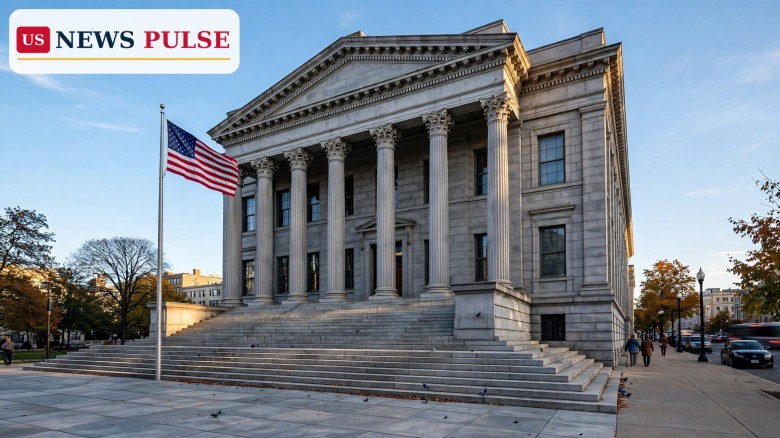
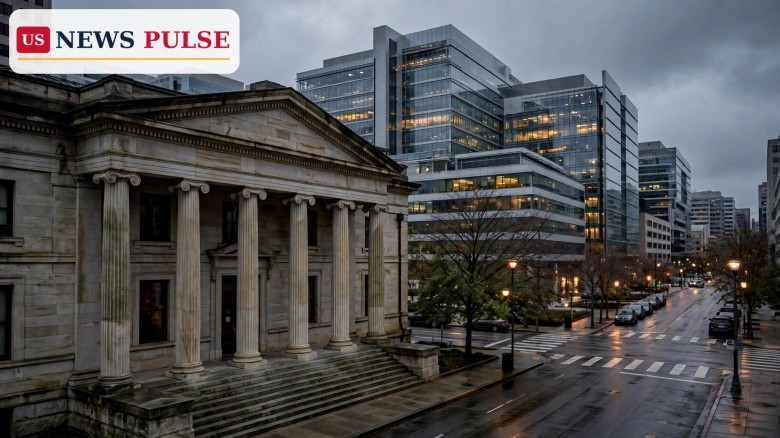
Hartford, Connecticut — A federal judge has blocked Connecticut from enforcing key parts of its new law regulating federal immigration officers, ruling that the state's attempt to set use-of-force standards, investigate federal agents and restrict their use of face coverings likely violates the United States Constitution. In a preliminary ruling on Friday, November 20, 2026, US District Judge Vernon D. Oliver barred state officials from enforcing certain sections of Senate Bill 397, known as SB 397, against federal officers while the federal government's lawsuit challenging the law continues. The decision hands the Justice Department an early win in the national fight over how far states can go in policing federal officers.
Key Points
- US District Judge Vernon D. Oliver issued a preliminary injunction on Friday, November 20, 2026, blocking parts of Connecticut's SB 397 against federal officers.
- The blocked provisions set use-of-force standards, gave state officials power to investigate and prosecute federal officers, and restricted their use of face coverings.
- Oliver found the provisions likely violate the Constitution's Supremacy Clause, which limits how far states can go in controlling federal operations.
- A separate section of SB 397 allowing people to sue over alleged constitutional violations was not challenged and stays in force.
- Connecticut Democrats vowed to appeal, but the ruling is preliminary, not a final decision on the law.
What Happened
The ruling came in a lawsuit filed by the federal government challenging SB 397, a law Connecticut passed in May 2026 that sought to place state rules on federal officers operating inside the state. Judge Oliver granted a preliminary injunction, a temporary order freezing the disputed sections while the case is argued in full. Connecticut officials cannot enforce those parts of the law against federal officers for now, but the underlying lawsuit has not been decided.
The judge's reasoning turned on the Supremacy Clause, which makes federal law supreme and limits how far states can go in controlling federal operations. Oliver wrote that the challenged sections likely cross that line. The ruling does not strike down the law permanently: if the federal government wins on the merits, the blocked sections fall; if Connecticut prevails, they could take effect.
Background and Context
Connecticut passed SB 397 as public anger grew over masked federal immigration agents carrying out arrests across the country. Lawmakers in Hartford argued residents should be able to see the faces of the officers detaining their neighbours, and that the state needed tools to investigate when federal officers used force. The law quickly drew a challenge from the Justice Department.
Connecticut is far from alone in this fight. A federal appeals court split Virginia's ICE laws earlier this week, ruling that the state could end its 287(g) agreements but could not enforce its mask ban against federal officers. Federal judges have already blocked similar restrictions in New York and Philadelphia, and a California judge entered a permanent injunction on November 19 against state mask and identification laws. Each case turns on its own facts, and none resolves Connecticut's use-of-force dispute.
Elsewhere, Massachusetts sued ICE this week over courthouse arrests, after 38 people were seized without warrants, and a protest outside an ICE facility in Broadview, Illinois, ended with 21 arrests.
Connecticut ICE Mask Mandate: What the Judge Actually Blocked
The injunction covers three distinct parts of SB 397. First, it blocks the law's statewide use-of-force standards as applied to federal officers. Second, it blocks the provisions giving state officials authority to investigate and prosecute certain cases involving federal officers, such as excessive use-of-force incidents. Third, it blocks the restrictions on federal officers' use of face coverings, the mask rules that gave the law much of its public profile.
Just as important is what the ruling did not touch. The lawsuit did not challenge a separate section of SB 397 that allows people to sue over alleged constitutional violations, so that provision remains in force. Senator Matt Lesser stressed that the law still gives residents the right to sue and still protects against warrantless ICE activity in sensitive locations such as schools, hospitals and places of worship.
Reactions
Connecticut Democrats reacted sharply. "It is un-American to allow masked, secret police to detain our residents," said Democratic state Senator Matt Lesser, the deputy majority leader in the Connecticut State Senate. He said he hoped the ruling would be overturned on appeal and the law would survive in full when the case is heard on the merits. "I want Connecticut residents to know that the majority of this law still stands, and it still provides them the right to sue for violations of their constitutional rights," Lesser added.
State Representative Steven Stafstrom, a Democrat from Bridgeport and a key backer of the law, said he feared it would leave Connecticut less safe because it blocks state tools to investigate deaths involving federal officers. The offices of Governor Ned Lamont and Attorney General William Tong did not respond when asked whether Connecticut plans to appeal.
Why It Matters
The ruling matters because it draws a line that other states will now have to reckon with. If the Supremacy Clause bars Connecticut from setting use-of-force standards for federal officers or investigating their conduct, similar laws in other states face the same obstacle. For now, federal officers in Connecticut can continue to wear face coverings and are not subject to the state's use-of-force rules, even as the right to sue remains available to residents. Virginia's split decision showed that some state tools survive while others do not, and Connecticut's ruling adds another data point on the unresolved question of use-of-force standards.
What Happens Next
The case now moves toward a full hearing on the merits, where both sides will argue whether SB 397's blocked sections are constitutional. Connecticut must decide whether to appeal the preliminary injunction to the US Court of Appeals for the Second Circuit, a step its lawmakers are already urging. An appeal could take months, and the injunction will remain in place unless a higher court lifts it. Other states are watching, and the Justice Department is likely to cite Oliver's reasoning in its next challenges.
Frequently Asked Questions
What is Connecticut's SB 397?
SB 397 is a Connecticut law passed in May 2026 that set use-of-force standards, gave state officials authority over certain cases involving federal officers, restricted face coverings, and created a private right to sue.
What did Judge Oliver block?
Judge Vernon D. Oliver issued a preliminary injunction blocking Connecticut from enforcing the use-of-force standards, the investigation and prosecution powers, and the face-covering restrictions against federal officers.
Is the law completely struck down?
No. The ruling is a preliminary injunction, not a final decision. The section allowing people to sue over alleged constitutional violations was not challenged and remains in force.
Why did the judge say the law likely violates the Constitution?
Oliver wrote that the sections likely violate the Supremacy Clause, which makes federal law supreme and limits how far states can go in controlling federal operations.
Have other states faced similar rulings?
Yes. Federal judges have blocked similar restrictions in Virginia, New York and Philadelphia, and a California judge entered a permanent injunction against state mask and identification laws on November 19.

The US News Pulse newsroom covers breaking news across the United States and the world, working from wire services, official statements and on-the-record sources. Every story is reviewed against our editorial standards before publication. Corrections and tips: info@usnewspulse.com
About our newsroomLeave a Comment