

 | Today's Date:





Senate Votes 70-27 to Advance Permitting Bill in Second Cloture Test - US News Pulse
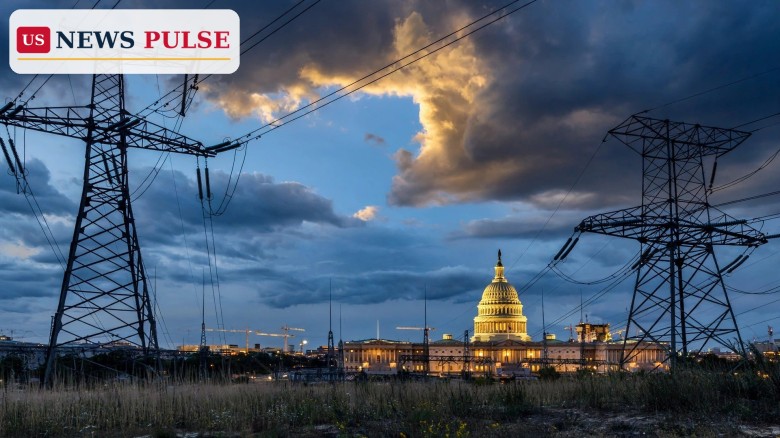
The US Senate voted 70-27 on Monday evening, November 16, 2026, to advance the bipartisan permitting bill, clearing the second of three 60-vote hurdles on the road to final passage. The vote to invoke cloture on the Capito substitute amendment to H.R. 2347, the Bipartisan American Affordability and Jobs Act, came at 6:27 p.m. ET. The third and last cloture test is expected early Wednesday morning.
Key Points
- The Senate voted 70-27 at 6:27 p.m. ET on Monday, November 16, to invoke cloture on Capito substitute amendment #6883 to H.R. 2347, the Bipartisan American Affordability and Jobs Act.
- It was the second of three 60-vote tests the bill must clear. The first, on the motion to proceed, passed 73-25 on November 9. The third is expected early Wednesday.
- The 494-page substitute, released November 7, would set deadlines for reviews under the National Environmental Policy Act, the Clean Water Act and the Endangered Species Act, and limit lawsuits used to stop projects.
- It would require data centres to pay their own way for the power and grid upgrades they need, shielding households from rising electricity costs.
- The substitute drops two provisions Tribes opposed most, but Tribal objections to the Section 106 historic-preservation rewrite remain.
What Happened
Senators voted 70-27 to end debate on the substitute amendment, comfortably above the 60 votes needed for cloture, in roll-call vote 264 of the 119th Congress. Nearly every Republican voted yes, joined by a large bloc of Democrats, mirroring the first cloture vote a week earlier.
The same session produced a second consequential vote. At 5:27 p.m. ET, the Senate confirmed Daniel Domenico to the US Court of Appeals for the Tenth Circuit by 51-46, in roll-call vote 263. If the third vote succeeds early Wednesday, a final passage vote would follow, and the bill would go to the House, which must approve it before the current Congress ends in January 2027.
Background: A Long Road to the Second Hurdle
The bill's authors, Senators Shelley Moore Capito of West Virginia, Mike Lee of Utah, Sheldon Whitehouse of Rhode Island and Martin Heinrich of New Mexico, released the 494-page substitute on November 7. It stitches together years of competing proposals into the most ambitious attempt yet to rewrite the rules for building energy projects, transmission lines and other major infrastructure.
The first test came on November 9, when the Senate voted 73-25 to clear cloture on the motion to proceed, its first major action since the Democratic midterm sweep. The motion to proceed was agreed 62-21 the next day. On November 4, Heinrich and Whitehouse said they would press ahead despite weaker odds. President Donald Trump has endorsed the bill, while drawing a line at one energy source, saying: "No, I will not approve wind turbines."
Senate Permitting Bill: What the Capito Substitute Changes
At the heart of the substitute are deadlines for the environmental reviews governing major projects. Under the National Environmental Policy Act, the Clean Water Act and the Endangered Species Act, federal agencies would face firm time limits, ending open-ended reviews that supporters say can drag on for years.
The substitute also takes on the cost of the artificial intelligence boom. Data centres, which consume vast amounts of electricity, would have to pay their own way for the power plants, transmission lines and grid upgrades they need, rather than passing costs to households. Senator Whitehouse says the bill could save consumers about 60 to 80 dollars a month. On Tribal issues, the substitute drops two provisions Tribes opposed most: a federal definition of a sacred place, and an Interior Department takeover of Tribal Historic Preservation Office functions. But Tribal objections to the broader Section 106 rewrite remain.
Reactions and Quotes
Supporters framed Monday's vote as proof Congress can still do big, bipartisan work. The four authors present the package as a deal giving both parties something they want: faster permitting for energy and infrastructure for Republicans, and a framework that can accelerate clean-energy deployment for Democrats.
Critics were less convinced. The National Congress of American Indians urged a no vote, warning the package would weaken protections for Tribal lands and cultural sites. Senator Jeff Merkley has noted that a bill of this scale never received a public hearing in either chamber. President Trump has endorsed the bill, but made clear his support does not extend to every energy source: "No, I will not approve wind turbines," he said.
Why It Matters
The vote matters because the permitting system it would change touches almost every major project in the country. Power lines, pipelines, mines, factories and data centres all need federal permits, and the current process can take years, with litigation adding more time. Supporters call the delays a tax on American growth.
It also matters for the lame-duck Congress. With the Democratic midterm sweep fresh in mind, many doubted a major bipartisan bill could move at all in the session's final weeks. The 70-27 vote suggests otherwise: a supermajority is willing to back a package neither party fully loves. If it clears its final hurdle and passes the House, it would be one of the most significant energy laws in years.
What Happens Next
The third and final cloture vote is expected early Wednesday morning. If it passes, as the first two did, the Senate would move to a final passage vote. From there the package goes to the House, where its fate is less certain: the House must approve it before the current Congress ends in January 2027, and the calendar is tight.
Watch the Tribal provisions in the final hours. The substitute's concessions show the authors are negotiating, and further changes could still win over holdouts. The Section 106 rewrite remains the most likely flashpoint. Read our report on the first 73-25 vote, and on the data-centre debate, voters rejecting data centres locally and OpenAI expanding data centres.
Frequently Asked Questions
What did the Senate vote on Monday?
The Senate voted 70-27 at 6:27 p.m. ET on Monday, November 16, to invoke cloture on Capito substitute amendment #6883 to H.R. 2347 — the second of three 60-vote tests.
What is the Bipartisan American Affordability and Jobs Act?
A 494-page package setting deadlines for environmental reviews, limiting lawsuits used to stall projects, and requiring data centres to pay for the power and grid upgrades they need.
What happens next for the bill?
The third and final cloture vote is expected early Wednesday. If it passes, the Senate would vote on final passage, and the bill would go to the House, which must approve it before the current Congress ends in January 2027.
Why did Tribes object to the bill?
Tribes opposed a federal definition of a sacred place and an Interior Department takeover of Tribal Historic Preservation Office functions. The substitute drops both, but objections to the Section 106 rewrite remain.
Who wrote the substitute amendment?
The substitute was released on November 7 by Senators Shelley Moore Capito of West Virginia, Mike Lee of Utah, Sheldon Whitehouse of Rhode Island and Martin Heinrich of New Mexico.

The US News Pulse newsroom covers breaking news across the United States and the world, working from wire services, official statements and on-the-record sources. Every story is reviewed against our editorial standards before publication. Corrections and tips: info@usnewspulse.com
About our newsroomLeave a Comment