

 | Today's Date:

Vance Declines to Endorse Iran Strikes as Trump Demands Public Backing
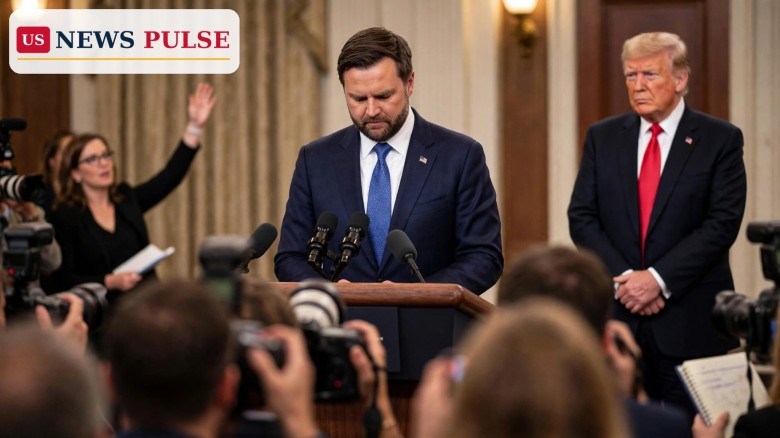
Vice President JD Vance declined on Friday, November 20, 2026, to say whether he would have ordered the Iran strikes, sidestepping President Donald Trump at a White House press conference. Vance would not say the February attacks were necessary or that he would carry them out again. Vance said the decision was Trump's call and that his job was to support the president. Trump said he was not unhappy with the answer, but that it lacked a crucial element: an acknowledgment that the strikes were necessary and that Vance would make the same decision.
Key Points
- At a White House press conference on Friday, November 20, 2026, Vice President JD Vance declined to say whether he would have authorised the strikes on Iran.
- Vance sidestepped President Donald Trump's calls for him to say the attacks were necessary and that he would carry them out again.
- Vance said the February decision to attack Iran was Trump's call and that his job is to support the president of the United States.
- Trump said he was not unhappy with Vance's conclusion, but that it lacked an acknowledgment that the strikes were necessary.
- Vance had previously blamed the Iran war for Republicans losing both chambers of Congress on November 3 and called for the US to exit the conflict.
What Happened
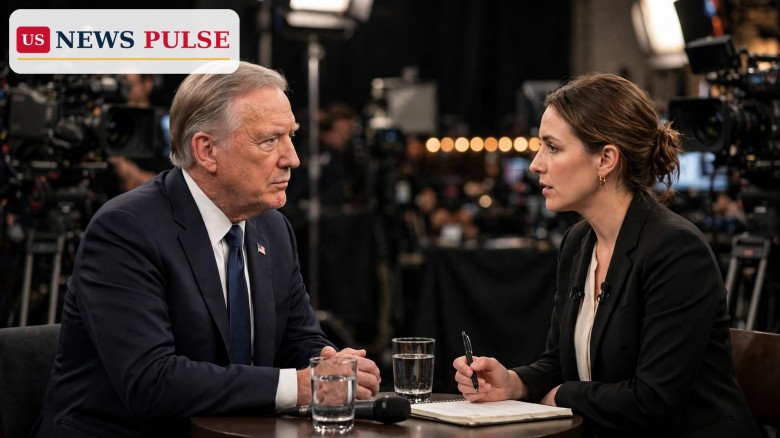
The moment came during a joint appearance at the White House on Friday, when Trump and Vance took questions from reporters side by side. Asked whether he would have authorised the strikes on Iran to prevent the country from developing a nuclear weapon, Vance did not answer yes or no. Instead, he pointed to the chain of command. The decision to attack Iran in February was Trump's call, he said, and "my job is to support the president of the United States".
Trump did not let the sidestep pass. The president said he was not unhappy with Vance's conclusion, but that it lacked a crucial element: an acknowledgment that the strikes were necessary and that Vance would make the same decision. Later, asked whether the war was worth Republicans' steep losses in Congress, Vance again stopped short, saying only that keeping Iran from a nuclear weapon "is absolutely what we need to be doing" and calling Iran "the biggest state sponsor of terrorism". He endorsed the goal. He did not endorse the strikes.
Background and Context
The exchange cannot be understood without the midterm results that preceded it. On November 3, 2026, Republicans lost both chambers of Congress, a defeat Vance himself has blamed in part on the Iran war. He has argued publicly that the conflict cost the party its majorities and has called for the United States to exit it. That puts him at odds with a president who ordered the February strikes and still defends them.
The war itself remains unresolved. American envoys Steve Witkoff and Jared Kushner met Qatari mediators in Berlin as efforts to restart a ceasefire and nuclear talks stalled again. The Government Accountability Office has also warned that the Pentagon has no plan to rebuild depleted weapons stockpiles after the war, with fewer than 1,700 Patriot interceptors left.
Vance, Trump and the Iran Strikes
What makes Friday's exchange so striking is the setting. Vice presidents are rarely put on the spot by their own president in front of the press, and they almost never leave a direct question about a war unanswered in that setting. Vance's answer was a study in careful wording: he affirmed loyalty to Trump, he affirmed the goal of stopping Iran from obtaining a nuclear weapon, and he said nothing about whether the strikes themselves were the right call. Trump said he was not unhappy, avoiding an open rebuke, while making plain what he thought was missing.
The gap matters because Vance is not a bystander to this debate. He is the vice president, and he is widely seen as a leading figure in the Republican Party's future. His earlier argument that the Iran war cost Republicans Congress, and his call for the United States to leave the conflict, amount to a critique of the president's signature foreign policy decision. Friday showed that critique has not softened, and that Trump knows it and wants it withdrawn in public.
Reactions and Quotes
Vance, asked whether he would have ordered the strikes, said the February decision was Trump's call and that "my job is to support the president of the United States". Pressed later on whether the war was worth the midterm losses, he said only that keeping Iran from a nuclear weapon "is absolutely what we need to be doing", and he called Iran "the biggest state sponsor of terrorism". Trump said he was not unhappy with the conclusion, but that it lacked the acknowledgment that the strikes were necessary and that Vance would make the same decision.
Why It Matters
The split matters for three reasons. First, it exposes a live disagreement at the top of the administration over a war still under way, with no ceasefire and no nuclear deal. Second, it ties the war directly to the midterm defeat: if the vice president believes the Iran war cost Republicans Congress, his reluctance to endorse it is a political judgment as well as a policy one. Third, it comes as the party looks ahead. Vance is a central figure in any discussion of the Republican future, and his public distance from the president's war will be read as a signal.
What Happens Next
Attention now turns to what Vance says next, and to whether Trump presses the point again. The president has said he will not decide his next step on Iran until the new year, but that leaves the disagreement unresolved in public. Democrats take control of both chambers of Congress in January, and the new Congress is expected to scrutinise the war and the strikes in hearings.
Frequently Asked Questions
What did JD Vance refuse to say?
At a White House press conference on Friday, November 20, 2026, Vance declined to say whether he would have authorised the strikes on Iran, and he did not say the attacks were necessary or that he would carry them out again.
What did President Trump want him to say?
Trump wanted Vance to acknowledge that the strikes were necessary and that he would make the same decision, the crucial element Trump said Vance's answer lacked, while adding he was not unhappy with the conclusion.
What did Vance say about the decision?
Vance said the decision to attack Iran in February was Trump's call and that his job is to support the president of the United States.
Has Vance criticised the Iran war before?
Yes. Vance had previously blamed the Iran war for Republicans losing both chambers of Congress on November 3 and called for the US to exit the conflict.
What happens next on Iran?
Trump has said he will not decide his next step until the new year, while ceasefire and nuclear talks remain stalled. Democrats take control of Congress in January and are expected to examine the war and the strikes.

The US News Pulse newsroom covers breaking news across the United States and the world, working from wire services, official statements and on-the-record sources. Every story is reviewed against our editorial standards before publication. Corrections and tips: info@usnewspulse.com
About our newsroomLeave a Comment