

 | Today's Date:



GAO: ICE Wasted Billions on Detention Warehouses It Now Plans to Sell
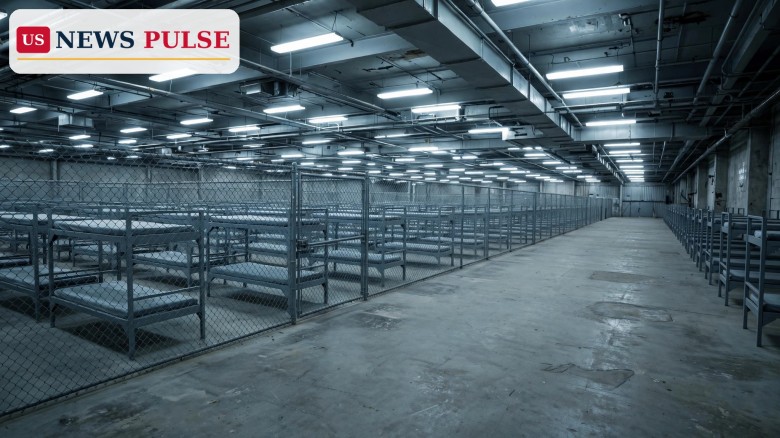
US Immigration and Customs Enforcement spent more than $3 billion buying detention properties it did not need, paid far above market value for warehouses it now plans to sell at a loss, and keeps paying about $13 million a month for beds nobody sleeps in. That is the finding of a Government Accountability Office report released on Thursday, November 19, 2026, and made public by Senator Dick Durbin of Illinois.
Key Points
- The GAO released "ICE Should Determine Cost Effectiveness of New Initiatives Before Continuing" on Thursday, November 19, 2026. Senator Dick Durbin (D-Ill.) made it public.
- ICE received $45 billion in immigration detention funding in July 2025 through the One Big Beautiful Bill Act.
- From January to March 2026, ICE bought 11 warehouses for about $1.07 billion, paying at least double the assessed value for seven of them. It now plans to sell seven.
- In July and August 2026, ICE bought four existing detention facilities for about $2.2 billion. It told auditors it does not expect the purchases to save money.
- ICE pays for 46,688 beds at 64 facilities, used or not. From October 2025 to April 2026, an average of 9,733 sat empty daily — about $13 million a month at just four facilities.
What Happened
The GAO, the investigative arm of Congress, examined how ICE spent the flood of detention money it received in 2025. Its conclusion was blunt: the agency launched major buying programmes without first checking whether they were worth the money.
The warehouse programme is the clearest example. Between January and March 2026, ICE paid about $1.07 billion for 11 warehouses it planned to turn into detention centres, paying at least 50 percent above assessed tax value for nine and at least double for seven. The plan has since been scaled back, and ICE now intends to sell seven. The GAO warned the sales could lose the government money.
The pattern repeated months later. In July and August 2026, ICE spent about $2.2 billion on four existing detention facilities. It told the GAO it does not expect the purchases to save money, because the goal is to keep operating where state governments push back. ICE is now considering up to seven more facilities, with no timeline or cost estimates given.
Background and Context
The spending surge followed the One Big Beautiful Bill Act of July 2025, which handed ICE $45 billion for immigration detention. The money was meant to fund a rapid expansion of capacity as the Trump administration stepped up enforcement.
Yet the beds it bought were not filling up. ICE pays for 46,688 beds across 64 facilities whether they are occupied or not. From October 2025 to April 2026, an average of 9,733 stood empty every day — roughly one in five. At just four facilities, the empty beds cost about $13 million a month.
The waste extended to Guantanamo Bay, where ICE and the Department of Defense obligated about $111 million for detention, though the average daily population was fewer than 30 people. As of June 2026, ICE still projected about $38 billion in fiscal year 2026 obligations, although only $9.1 billion had been obligated through July — a projection the GAO called unrealistic.
ICE Detention Spending: Warehouses Bought at Double Their Value
The warehouse purchases deserve a closer look. Paying double the assessed tax value for a building is not a rounding error. For seven of the 11 warehouses, ICE paid at least twice the assessed value; for nine, at least half as much again. The agency bought first and asked questions later, and now plans to sell most of the buildings at a possible loss.
The $2.2 billion spent on four existing facilities raises a different question. ICE was frank with auditors that the purchases were not expected to save money. The aim was to keep detention capacity in states where local governments resist cooperating with federal immigration enforcement. That is a policy choice, not a bargain — and the GAO's point is that it was made without a proper cost-effectiveness assessment.
Oversight has also been thin. The staff who validate facility invoices are short-handed, with 55 of 87 positions vacant, even as the number of detention facilities roughly doubled. ICE is paying billions for buildings and beds while the team meant to check the bills is more than half empty. The same watchdog recently found the Pentagon has no plan to rebuild its depleted weapons stockpiles.
Reactions and Quotes
Senator Durbin's office framed the findings as evidence of wasteful spending under the Trump administration. But its findings are stark: billions spent on property the agency now wants to sell, millions a month paid for empty beds, and a spending plan the auditors called unrealistic.
ICE has not disputed the core figures. Its position, as recorded by the GAO, is that the facility purchases serve a purpose beyond saving money — keeping detention operations running where state governments push back. That does not answer the GAO's central criticism: the money was committed before its cost-effectiveness was checked.
Why It Matters
Forty-five billion dollars was set aside for immigration detention, and the GAO found the agency buying warehouses at double their assessed value, paying for thousands of beds nobody uses, and spending $111 million on a Guantanamo Bay facility holding fewer than 30 people a day.
The findings also matter because detention policy is one of the most contested issues in American politics. The GAO's numbers cut through the argument: the capacity exists, much of it sits empty, and the government is paying for it anyway.
What Happens Next
ICE plans to sell seven of the warehouses it bought, and the GAO has warned those sales could lose money. At the same time, the agency is considering buying up to seven more detention facilities, with no timeline or cost estimates yet provided. Congress is expected to press ICE on both the sales and any further purchases.
The GAO's recommendation is straightforward: determine whether new initiatives are cost-effective before continuing them. The government recently paid $453 million for the GEO Group's Tacoma detention centre, showing the buying has not stopped.
Frequently Asked Questions
What did the GAO report find?
ICE spent about $1.07 billion on 11 warehouses it now plans to sell, about $2.2 billion on four facilities, and about $13 million a month for empty beds at just four facilities — without first checking cost-effectiveness.
How much did ICE overpay?
It paid at least 50 percent above assessed tax value for nine of the 11 warehouses, and at least double the assessed value for seven of them.
How many beds sit empty?
ICE pays for 46,688 beds at 64 facilities whether they are used or not. From October 2025 to April 2026, an average of 9,733 sat empty every day.
What did ICE spend at Guantanamo Bay?
ICE and the Department of Defense obligated about $111 million for detention at Guantanamo Bay, where the average daily population was fewer than 30 people.
What happens next?
ICE plans to sell seven warehouses, with the GAO warning the sales could lose money, and is considering buying up to seven more facilities. Congress is expected to demand cost-effectiveness checks first.

The US News Pulse newsroom covers breaking news across the United States and the world, working from wire services, official statements and on-the-record sources. Every story is reviewed against our editorial standards before publication. Corrections and tips: info@usnewspulse.com
About our newsroomLeave a Comment