


 | Today's Date:



Europe's Far Right Distances Itself From Trump Over Iran War Fallout After Midterms
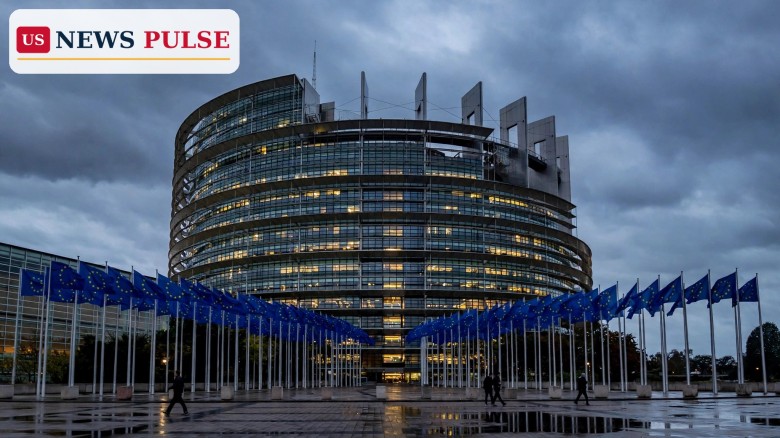
PARIS — Europe's far-right leaders began distancing themselves from Donald Trump on Wednesday, blaming the war with Iran for the Republican Party's defeat in the United States midterm elections. The shift, reported by Reuters on November 4, 2026, came a day after Democrats swept both chambers of Congress. Most avoided direct criticism of Trump himself, while blaming the Iran war, a conflict the president promised voters he would not start, for the losses. The Europe far right Trump alliance that once looked like a transatlantic movement now looks like a political risk its European members are eager to shed.
Key Points
- Europe's far-right leaders began distancing themselves from Donald Trump on Wednesday, November 4, blaming the Iran war for the Republicans' midterm defeat.
- France's Jordan Bardella said American intervention in Iran "carries very heavy consequences" and that Trump's second term was less isolationist than his first.
- Germany's Alice Weidel said Trump had promised voters no interventionist foreign policy, and "this broken promise has now come back to haunt the Republicans".
- Italy's Matteo Salvini and Roberto Vannacci, and Britain's Rupert Lowe, also blamed the war, with Vannacci asking: "What has this war achieved? Absolutely nothing of worth".
- Analysts say Trump's unpopularity, above all over the cost of living, risks turning a once-valuable alliance into an "electoral liability".
What Happened
The distancing began on Wednesday, November 4, a day after voters handed Democrats control of both chambers of Congress. Leaders of Europe's nationalist right put space between themselves and the American president, in strikingly similar language: the problem was not Trump, it was the war.
Jordan Bardella, leader of France's National Rally, said Trump's second term had proved less isolationist than his first. "American intervention regarding Iran carries very heavy consequences," Bardella said.
Alice Weidel, co-leader of Germany's Alternative for Germany, known as the AfD, said the same, more bluntly. "Trump had promised his voters not to pursue an interventionist foreign policy," she said. "This broken promise has now come back to haunt the Republicans."
In Italy, Matteo Salvini of the League and former general Roberto Vannacci of Futuro Nazionale also blamed the war. Vannacci asked: "What has this war achieved? Absolutely nothing of worth." In Britain, Rupert Lowe of the Restore Britain party called the attack on Iran a mistake without naming Trump. Trump acknowledged the war had played a role in his party's losses, but said he stood by the decision.
Background: An Alliance Built in 2024
The shift is notable: these leaders spent the past two years celebrating their ideological ties with Trump. After his 2024 victory, many treated the result as a vindication of their own politics, visited Washington, and welcomed backing from Elon Musk, a prominent Trump ally.
Trump's appeal was partly style and partly substance: he promised a break with the interventionist foreign policy of his predecessors, a pledge that resonated with nationalist parties long opposed to foreign wars. The war with Iran, which began on February 28, 2026 and is now in its ninth month, sits awkwardly with that promise, and the midterm results gave his European admirers a reason to say so in public. The war has also become entangled with the cost of living, the issue that dominated the campaign.
Europe Far Right Trump: From Asset to Liability
The clearest statement of the new calculation came from Mujtaba Rahman of the Eurasia Group, who said Trump's growing unpopularity, particularly over the cost of living, risks turning what was once a political asset into an "electoral liability" for the European leaders who once courted him.
That framing explains the careful choreography: none of the leaders attacked Trump directly. Instead they blamed the war, a policy rather than a person, which lets them keep the door open to the American president while telling their own voters they never signed up for a foreign war. It is a hedge: if Trump recovers, the relationship can be rebuilt; if he does not, they can say they saw the danger early.
Reactions and Quotes
Bardella was the most measured. The National Rally leader said Trump's second term was less isolationist than his first and warned that "American intervention regarding Iran carries very heavy consequences", criticising the policy while sparing the man.
Weidel tied the midterm defeat directly to the broken promise. "Trump had promised his voters not to pursue an interventionist foreign policy," she said. "This broken promise has now come back to haunt the Republicans." Vannacci was the most scathing: "What has this war achieved? Absolutely nothing of worth." Lowe, in Britain, called the attack on Iran a mistake without naming Trump. Trump acknowledged the war had played a role in his party's losses, but said he stood by the decision.
Why It Matters
The distancing matters because the transatlantic populist right has been one of the defining political stories of the past decade. Nationalist parties in France, Germany, Italy and Britain looked to Trump's victories as proof that their own ideas could win, and Trump looked to their success as proof that his movement was bigger than one country. If that admiration is now cooling, it marks a real change in the politics of the West.
It also matters for the war itself. Trump is weighing whether to resume large-scale strikes, pursue a negotiated settlement or maintain economic pressure, with a Democratic Congress and former allies abroad publicly blaming the war for his defeat. Their comments add to the pressure to find a way out of a conflict now in its ninth month.
What Happens Next
The question now is whether the distancing deepens or stalls. If the war drags on and prices stay high, more European leaders are likely to follow Bardella and Weidel. If a deal is reached, with mediators already exchanging proposals between Washington and Tehran, the European right may quietly rebuild the relationship. For now, the leaders who once celebrated Trump are keeping their distance and blaming the war. Whether voters believe the separation is genuine will be tested in their own elections.
Frequently Asked Questions
Why are Europe's far-right leaders distancing themselves from Trump?
They blame the Iran war for the Republicans' defeat on November 3, 2026, saying Trump broke his no-war promise.
What did Jordan Bardella say?
The National Rally leader said Trump's second term was less isolationist than his first and that American intervention in Iran "carries very heavy consequences".
What did Alice Weidel say?
The AfD co-leader said Trump "had promised his voters not to pursue an interventionist foreign policy ... This broken promise has now come back to haunt the Republicans".
Did the leaders criticise Trump directly?
Mostly no. They blamed the war, not Trump himself.
What did Trump say about the losses?
Trump acknowledged the war played a role in his party's losses, but said he stood by the decision.
Related coverage: World Reacts to Democrats' Midterm Sweep — Iran Says No to War, Europe Hails Shift; JD Vance Blames Iran War for Republican Midterm Losses: 'The Reason We Lost Is the War'; Trump Blames Abbott as RINO After Texas Loss, Claims Landslide If He Had Run.
Leave a Comment