

 | Today's Date:




Russia Says It Downed 1,246 Ukrainian Drones in Biggest Wave Yet at Moscow
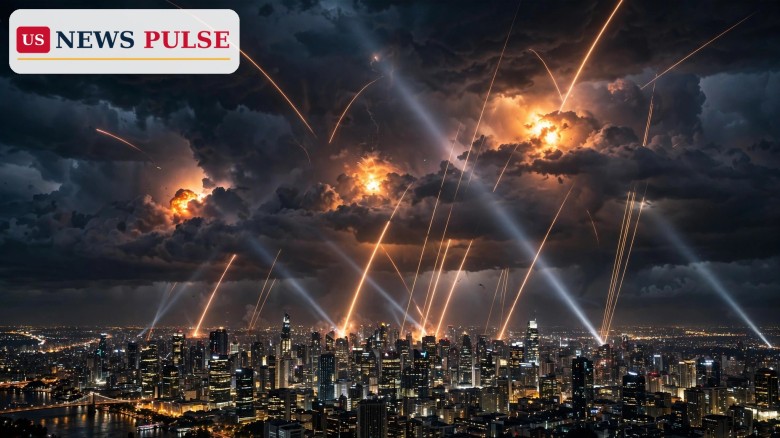
Russia says it downed 1,246 Ukrainian drones overnight on Saturday, November 28, 2026, in what reports describe as Ukraine's biggest drone wave yet aimed at Moscow. Russia's Defence Ministry said its air defences shot down the drones across the country overnight, and more than 400 of them were launched towards the Russian capital, according to Moscow Mayor Sergei Sobyanin. The overnight barrage is the latest in a series of record-scale drone attacks. The claims come from Russian officials and have not been independently verified.
Key Points
- Russia's Defence Ministry said air defences shot down 1,246 Ukrainian drones overnight on Saturday, November 28, 2026.
- More than 400 drones were launched towards Moscow, with 123 downed near the city, Mayor Sergei Sobyanin said.
- A drone strike on a bus in Klimovo, in the Bryansk region, injured nine people, regional officials reported.
- Attacks on industrial sites in Samara caused no reported deaths or injuries.
- The figures are Russian official claims and have not been independently verified by Reuters.
What Happened
Russia's Defence Ministry announced on Saturday morning that its air defences had shot down 1,246 Ukrainian drones overnight. The ministry's figure covers the whole country, but the focus of the attack was the capital: more than 400 drones were launched towards Moscow overnight, and Moscow Mayor Sergei Sobyanin said on Telegram that 123 of them were brought down in close proximity to the city. Reports described the wave as Ukraine's biggest yet aimed at Moscow.
The night was not only about Moscow. Regional officials reported that a drone struck a bus in Klimovo, in the Bryansk region near the Ukrainian border, injuring nine people. Attacks were also reported on industrial sites in Samara, in the Volga region, where officials said there were no deaths or injuries. The spread of the targets shows how far the drone campaign now reaches into Russia.
Background: A War of Escalating Drone Waves
The November 28 wave is the third record-scale drone attack in less than two weeks. On Monday, November 16, Ukraine launched what was then its largest overnight drone attack since the war began, with Moscow saying air defences brought down 1,336 drones across 16 regions, beating the previous record of 1,254 set on October 29. That night Ukraine also struck the 19-kilometre Crimea bridge over the Kerch Strait. The next night, Russia said it shot down 1,441 drones, a new record, as Ukraine hit the Crimea bridge for a second straight day and video appeared to show a road span collapsed into the sea, killing two people.
Before that, on the night of November 12-13, dozens of Ukrainian drones attacked Moscow and grounded flights at all four of the capital's main airports, while Ukrainian forces struck a major Lukoil refinery in Volgograd. Since the summer of 2026, the scale and frequency of these attacks have grown steadily, and each record has stood for only days. The November 28 figure of 1,246 is lower than the 1,441 claimed on November 17, but the number aimed at Moscow, more than 400, is far higher than in any earlier wave. The capital, not the border regions, is now the main target.
Russia Drones Moscow: What the Numbers Say
The headline number, 1,246 drones downed, needs careful reading. It is a claim by Russia's Defence Ministry, reported by Reuters, which said it could not independently verify the figures. Russia only reports the drones it says it intercepted, and it does not say how many, if any, got through. The mayor's figure of 123 drones downed near Moscow is similarly unverified.
What is not in doubt is the direction of travel. Ukraine has built a long-range drone force that can send hundreds of aircraft at Russian targets in a single night. President Volodymyr Zelenskyy said on November 15 that Ukrainian strikes had disabled more than 55 per cent of Russia's oil refining capacity, a claim Reuters could not independently verify. For Russia, the challenge is defensive: every interception is a missile or gun round spent.
Reactions: Moscow Reports the Interceptions, Kyiv Stays Quiet
The Russian account came in the usual form: a Defence Ministry statement giving the overnight total, followed by the Moscow mayor's Telegram updates on the capital's share of the attack. Sobyanin has become the regular public face of these nights, posting interception figures as the attacks unfold. Regional officials added the human detail, reporting nine people injured when a drone struck a bus in Klimovo, and no casualties at the industrial sites in Samara.
Ukraine has not commented on the November 28 wave in the reporting so far: Kyiv rarely confirms individual long-range strikes in real time, leaving the first accounts to Russian officials. That silence is one reason the figures cannot be checked independently. American envoys met Vladimir Putin in Moscow on November 12, hours before that night's drone wave, and then briefed Zelenskyy in Dublin. The November 28 attack, like the record waves before it, shows the war continuing at full intensity alongside the diplomacy.
Why It Matters
The November 28 wave matters for three reasons. First, it confirms that the drone war has become the central front of the conflict, reaching deep into both countries. Second, it shows Ukraine's ability to concentrate its attacks: more than 400 drones at a single city in one night tests Russian air defences in a way no earlier wave has. Third, it matters for civilians. Nine people were injured on a bus in Klimovo, a reminder that these attacks carry real human costs when drones or debris come down in populated areas. The November 17 wave killed two people in Crimea.
What Happens Next
The immediate question is whether Ukraine can sustain this tempo, and whether Russia's air defences can keep pace. Three four-figure nights in twelve days suggest Ukraine's drone production and launch capacity are still growing, but each wave also consumes hundreds of aircraft, and the cost of sustaining that rate is unknown. Russia will be judged on whether it can prevent a drone from reaching the capital itself, as the number aimed at Moscow keeps climbing. For now, the pattern is clear: the nights are getting bigger, the capital is the target, and neither side is slowing down.
Frequently Asked Questions
How many drones did Russia say it shot down overnight?
Russia's Defence Ministry said air defences shot down 1,246 Ukrainian drones overnight on Saturday, November 28, 2026.
How many drones were aimed at Moscow?
More than 400 drones were launched towards Moscow, and Mayor Sergei Sobyanin said 123 were downed near the city.
Were there any casualties?
Nine people were injured when a drone struck a bus in Klimovo, in the Bryansk region. Attacks on industrial sites in Samara caused no reported deaths or injuries.
Have the figures been independently verified?
No. The claims come from Russian officials and have not been independently verified by Reuters.
How does this wave compare with earlier ones?
It is smaller than the 1,441 drones claimed on November 17 and the 1,336 on November 16, but far more drones were aimed at Moscow than in any earlier wave.

The US News Pulse newsroom covers breaking news across the United States and the world, working from wire services, official statements and on-the-record sources. Every story is reviewed against our editorial standards before publication. Corrections and tips: info@usnewspulse.com
About our newsroomLeave a Comment