


 | Today's Date:





Schumer Says He Will Be Reelected Senate Majority Leader Despite Critics
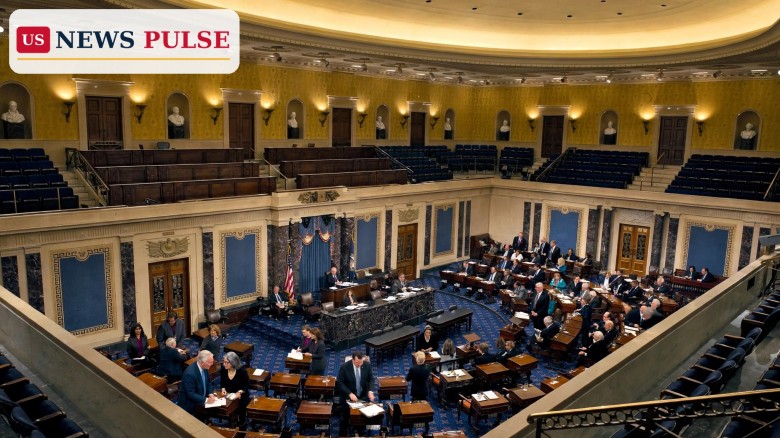
Washington — Senate Democratic Leader Chuck Schumer said on Wednesday morning that he is confident he will be reelected as Senate majority leader when Democrats take back control of the chamber in January 2027, brushing aside public opposition from several incoming Democratic senators who have said they would not support him continuing in the role.
Schumer spoke to reporters as his party absorbed its midterm sweep on Tuesday, in which Democrats flipped at least seven Senate seats to secure a 54-seat majority. The result will return him to the majority leader's office he held from 2021 to 2025, when Republicans regained control of the chamber.
"This issue is not me. I'll be reelected as majority leader. But the issue is focusing on the American people and what they want," Schumer said, projecting confidence and presenting himself as vindicated by an election night that exceeded even optimistic Democratic forecasts.
Key Points
- Chuck Schumer says he is confident he will be reelected Senate majority leader in January 2027.
- Democrats flipped at least seven Senate seats on Tuesday, winning a 54-seat majority.
- Incoming senators Peggy Flanagan of Minnesota and Abdul El-Sayed of Michigan have said they would not back him.
- Schumer framed the result as a mandate to focus on voters' concerns, not on leadership politics.
- The new Congress convenes on January 3, 2027, when the leadership vote will take place.
What Happened
Schumer's remarks came on Wednesday morning, hours after the scale of the Democratic victory became clear. Democrats entered the midterms needing a net gain of four seats to retake the Senate; by Wednesday morning they had flipped at least seven, giving them a 54-seat majority in the 100-seat chamber. The result, combined with a Democratic takeover of the House, ended unified Republican control of Washington and reshaped the balance of power for the final two years of President Donald Trump's second term.
But the celebration carried an awkward undertow. During the campaign, several incoming Democratic senators had publicly said they would not support Schumer continuing as leader, reflecting a long-running frustration among some in the party's left wing and its newer members about his cautious, deal-making style. Minnesota's Peggy Flanagan and Michigan's Abdul El-Sayed were among those who said they would vote against him, and their comments were widely reported in the final days of the campaign.
Schumer did not name his critics on Wednesday, nor did he engage with their arguments directly. Instead, he insisted the leadership question was settled and tried to move the conversation to the agenda ahead, arguing that voters had rewarded Democrats for focusing on household costs, health care and democratic norms rather than on internal party disputes.
Background: Schumer's Long Leadership
Schumer, 75, has been the Senate's top Democrat since 2017, first as minority leader and then, after Democrats won the chamber in the 2020 elections, as majority leader from 2021 to 2025. In that role he steered major legislation through a narrow 50-50 Senate, including the bipartisan infrastructure law and the Inflation Reduction Act, often relying on painstaking negotiation with centrists in his own caucus.
His tenure has also drawn sustained criticism from the party's left, which accuses him of moving too slowly and conceding too much to Republicans. Those tensions flared repeatedly during the Trump years, over funding fights, judicial nominations and voting rules.
Schumer Majority Leader: What the Vote Will Decide
The leadership election will take place when the new Congress convenes on January 3, 2027. Senate Democrats will choose their leader in a caucus vote, and the winner will become majority leader when the chamber organises itself, setting the legislative calendar, controlling which bills reach the floor, and leading negotiations with the House and the White House.
That power is considerable even in divided government. A Democratic majority leader can block legislation the party opposes, force votes designed to put Republicans on the record, and, crucially, control the confirmation process for any judicial or executive nominees the president sends to the Senate. With a 54-seat majority, Schumer or his successor would have more room to manoeuvre than in the 50-50 Senate of 2021, though far short of the 60 votes needed to break a filibuster.
Whether public opposition translates into votes against Schumer in the secret ballot remains unclear, though the public dissent suggests a genuine appetite among some new members for a change in style.
Reactions and Quotes
Schumer's central message on Wednesday was discipline. "This issue is not me," he said. "I'll be reelected as majority leader. But the issue is focusing on the American people and what they want." The remark was designed to do two things at once: project inevitability about his own position, and redirect attention to the issues Democrats believe won them the election.
His critics have framed the question differently. Flanagan and El-Sayed, both elected on Tuesday, had said during the campaign that they would not support Schumer continuing to lead the party in the chamber. Their position reflected a broader argument from newer Democrats that the party needs more confrontational leadership after years in which, in their view, caution produced too few results.
Why It Matters
The leadership fight matters because it will shape how Democrats use their new majority. A leader focused on negotiation and incremental legislation would produce a very different Senate from one led by a figure committed to confrontation, even where that risks stalemate. The choice will affect everything from the fate of the December 11 government funding deadline to the debt ceiling fight expected in the first half of 2027, and to how aggressively Democrats investigate the Trump administration.
It also matters for the president: Trump, who retains the veto pen, will need to negotiate with a Democratic Senate on funding and nominations.
What Happens Next
In the coming weeks, Senate Democrats will hold their leadership elections, with the formal vote expected before the new Congress convenes on January 3. Schumer's allies will work to lock down support, while any challenger — if one emerges — would need to assemble a coalition quickly. So far, no senator has formally announced a challenge to Schumer.
Beyond the vote, the new majority faces immediate tests: a December 11 funding deadline and pending judicial confirmations before Christmas.
Frequently Asked Questions
Will Chuck Schumer be Senate majority leader in 2027?
Schumer says he is confident he will be reelected, but the formal vote takes place in the Democratic caucus before the new Congress convenes on January 3, 2027.
Why do some Democrats oppose Schumer?
Some incoming senators, including Peggy Flanagan and Abdul El-Sayed, have said they want a change in leadership style, arguing the party needs a more confrontational approach.
How big is the new Democratic Senate majority?
Democrats flipped at least seven seats on Tuesday, giving them a 54-seat majority in the 100-seat Senate.
When does the new Congress convene?
The new Congress convenes on January 3, 2027, when the majority leader formally takes office.
What can a Senate majority leader do?
The majority leader sets the Senate's legislative calendar, controls which bills reach the floor, and leads negotiations with the House and the White House.
Read more on US News Pulse: Congress coverage and 2026 midterm election results.
Leave a Comment